Loading branch
Loading branch
28 members
**USS Robert H. McCard (DD-822):** The USS Robert H. McCard (DD-822) was a Gearing-class destroyer of the United States Navy, commissioned in 1946. She served extensively during the Cold War period, participating in various NATO exercises and deployments with the U.S. 6th Fleet in the Mediterranean. The McCard provided naval gunfire support during the Lebanon Crisis of 1958 and later performed patrol and training duties. She was decommissioned in 1972 and subsequently transferred to the Turkish Navy. **USS Hull (DD-945):** The USS Hull (DD-945), a Forrest Sherman-class destroyer, was commissioned in 1958. She served primarily in the Pacific Fleet, participating in Vietnam War operations, including naval gunfire support and search and rescue missions. The Hull was notable for testing the 8-inch/55 caliber Mark 71 gun in the 1970s, a unique feature for a destroyer. She was decommissioned in 1983 and later sunk as a target during fleet exercises.
28 members
Naval Air Station Atlanta (NAS Atlanta) was established in 1959 in Marietta, Georgia, adjacent to Dobbins Air Reserve Base. Originally created to support the training and operations of Naval Reserve aviation units, the base hosted various squadrons, including fighter, patrol, and helicopter units throughout the Cold War and post-Cold War periods. NAS Atlanta played a crucial role in providing readiness training and logistical support to naval aviators and reservists, ensuring operational capability for both peacetime and contingency missions. The station was officially closed in 2009 as part of the Base Realignment and Closure (BRAC) process, with its functions transferred to other installations.
28 members
Naval Air Facility (NAF) Misawa, located in Misawa, Aomori Prefecture, Japan, was established in 1972 to support U.S. naval aviation operations in the region. Its mission focused on providing logistical, administrative, and operational support to U.S. Navy aviation units deployed to northern Japan, particularly for anti-submarine warfare and intelligence missions during the Cold War. NAF Misawa played a significant role in U.S.-Japan defense cooperation, hosting rotational patrol squadrons and participating in joint exercises. Over the years, the facility has adapted to evolving security challenges in the Asia-Pacific, continuing to serve as a key element in maintaining regional stability and U.S. forward presence.
28 members
USS Belknap (CG-26) was a guided missile cruiser and the lead ship of her class in the United States Navy, commissioned in 1964. Originally designated as a destroyer leader (DLG-26), she was later reclassified as a cruiser (CG-26) in 1975. Belknap is most notably remembered for the catastrophic collision with the aircraft carrier USS John F. Kennedy in 1975, which resulted in a deadly fire and extensive damage. After an extensive rebuild, she returned to service, eventually serving as the flagship for the U.S. Sixth Fleet before being decommissioned in 1995.
28 members
USS Dahlgren (DDG-43) was a Farragut-class guided missile destroyer of the United States Navy, commissioned on April 8, 1961. Named after Rear Admiral John A. Dahlgren, the ship played a significant role during the Cold War, conducting anti-air and anti-submarine operations in both the Atlantic and Mediterranean theaters. Dahlgren participated in numerous NATO exercises and provided vital support during crises, showcasing American naval power and interoperability with allied forces. After over two decades of service, she was decommissioned on July 31, 1992, and later scrapped.
28 members
USS Grand Canyon (AD-28) was a Shenandoah-class destroyer tender commissioned by the United States Navy in 1946. Designed to provide maintenance, repair, and logistical support to destroyers and other small warships, she served extensively in the Atlantic Fleet and Mediterranean Sea during the Cold War. The ship participated in numerous NATO exercises, supported the fleet during crises such as the Lebanon intervention in 1958, and routinely deployed with the U.S. Sixth Fleet. Decommissioned in 1978 after over three decades of service, USS Grand Canyon was eventually sold for scrap in 1980.
28 members
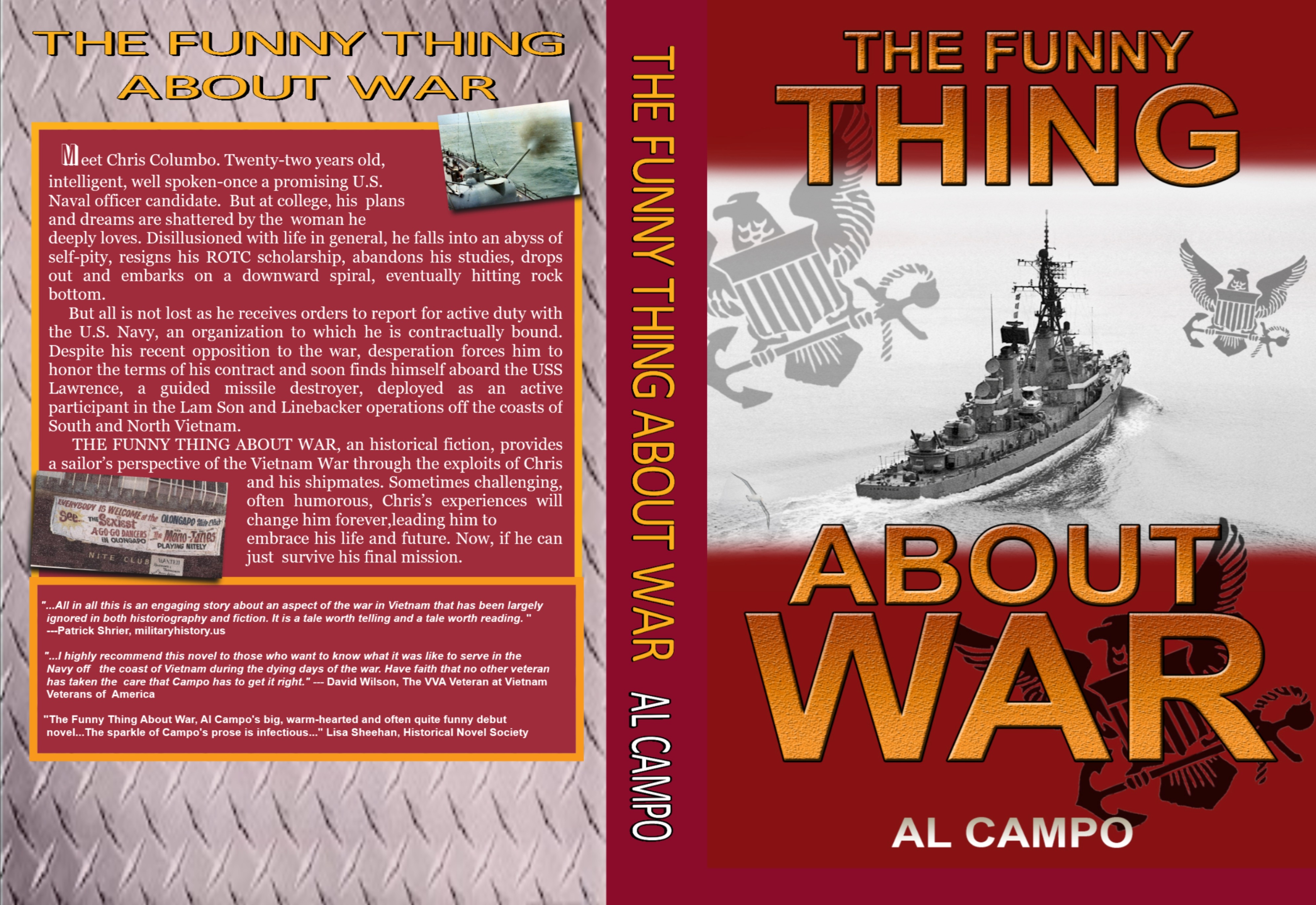
USS Lawrence (DDG-4) was a Charles F. Adams-class guided missile destroyer commissioned by the United States Navy in January 1962. Named after Captain James Lawrence, a hero of the War of 1812, the ship served prominently during the Cold War, conducting operations in the Atlantic, Mediterranean, and Caribbean. USS Lawrence participated in significant events such as the Cuban Missile Crisis quarantine and multiple Mediterranean deployments with the Sixth Fleet. After more than two decades of service, the destroyer was decommissioned in March 1990 and subsequently scrapped.
28 members
Attack Squadron 165 (VA-165), known as the "Boomers," was established on September 1, 1960, as part of the United States Navy. The squadron was primarily equipped with the A-6 Intruder, a carrier-based, all-weather attack aircraft. VA-165 participated in significant combat operations during the Vietnam War and later took part in various deployments throughout the Pacific and Indian Oceans, including support missions during the Gulf War. The squadron was based at Naval Air Station Whidbey Island, Washington, and was disestablished on September 30, 1996.
28 members
Attack Squadron 85 (VA-85), known as the "Black Falcons" and later the "Black Falcons," was established by the U.S. Navy on September 1, 1950. The squadron initially flew the AD Skyraider before transitioning to the A-6 Intruder, specializing in all-weather attack missions. VA-85 participated in major conflicts, including the Vietnam War, where it conducted numerous combat sorties, and later operations such as Desert Storm. The unit was disestablished on September 30, 1994, after over four decades of distinguished service.
28 members
Patrol Squadron 40 (VP-40), known as the "Fighting Marlins," is a long-standing maritime patrol squadron of the United States Navy. Established in July 1940, the unit has operated various aircraft, including the PBY Catalina, P-2 Neptune, P-3 Orion, and currently the P-8A Poseidon. VP-40 has participated in major conflicts and operations, from World War II anti-submarine patrols in the Pacific to Cold War surveillance and modern maritime security missions. The squadron is renowned for its versatility, professionalism, and continued contribution to U.S. Navy maritime patrol and reconnaissance capabilities.
28 members
Fleet Air Reconnaissance Squadron THREE (VQ-3), known as the "Ironmen," was established in 1968 as part of the U.S. Navy’s strategic communications force. Originally based at Naval Air Station Barbers Point, Hawaii, the squadron’s mission is to provide airborne communications relay for the nation’s nuclear command and control through the operation of the E-6 Mercury aircraft. VQ-3 played a critical role in the "Take Charge and Move Out" (TACAMO) program, ensuring continuous, survivable communication between national command authorities and ballistic missile submarines. In 1992, the unit relocated to Tinker Air Force Base, Oklahoma, where it continues its vital deterrence and command-and-control missions today.
27 members
Commander, Fleet Activities Yokosuka (COMFLTACTS Yokosuka), located in Yokosuka, Japan, is a major United States Navy shore command and the largest overseas U.S. naval installation. Established in 1945 following Japan’s surrender at the end of World War II, the facility has served as a strategic hub for U.S. naval operations in the Western Pacific. COMFLTACTS Yokosuka supports the U.S. Seventh Fleet and hosts numerous forward-deployed ships, including aircraft carriers, destroyers, and submarines. Over the decades, the base has played a vital role in regional security, disaster relief, and fostering U.S.-Japan military cooperation.
27 members
The Joint Forces Intelligence Command (JFIC) was established in 1999 as a component of the United States military’s intelligence community, headquartered in Norfolk, Virginia. Its primary mission is to provide integrated intelligence support to joint and combined military operations, enhancing situational awareness and decision-making for commanders. JFIC specializes in intelligence fusion, analysis, and dissemination, serving as a key link between national and tactical intelligence assets. Over the years, JFIC has played a vital role in supporting operations worldwide, adapting its capabilities to address emerging threats in the global security environment.
27 members
Naval Air Station (NAS) North Island, commonly known as NAS Coronado, is a major naval aviation facility located on the Coronado Peninsula in San Diego, California. Established in 1917, it is regarded as the "Birthplace of Naval Aviation" and has played a pivotal role in training naval aviators and supporting Pacific Fleet operations during both World Wars and the Cold War. Over the decades, NAS North Island has hosted numerous aircraft carriers, squadrons, and specialized units, evolving into a cornerstone of U.S. Navy air operations. Today, the station continues to support advanced aviation training, maintenance, and operational deployments, serving as home to several major commands, including the headquarters of Naval Air Forces Pacific.
27 members
NAVCHAPGRU, or Naval Chaplains Group, Williamsburg, VA, served as a key training and administrative center for U.S. Navy chaplains and religious program specialists. Established in the mid-20th century, the unit was tasked with preparing chaplains to provide spiritual support, counseling, and morale services to sailors and Marines across the fleet. Over the decades, NAVCHAPGRU Williamsburg became renowned for its rigorous training programs and its role in shaping Navy religious ministry doctrine. The command was eventually realigned as part of broader Navy restructuring, with its legacy continuing through successor organizations supporting military religious leadership.
27 members
The Puget Sound Naval Shipyard, located in Bremerton, Washington, was established in 1891 as a naval station and began shipbuilding in 1896. During World War I and World War II, the shipyard played a crucial role in constructing, repairing, and modernizing U.S. Navy vessels, including battleships, aircraft carriers, and destroyers. The shipyard was instrumental in repairing many Pacific Fleet ships damaged in the attack on Pearl Harbor and subsequent battles. Today, Puget Sound Naval Shipyard remains a major center for the maintenance, modernization, and decommissioning of Navy ships and submarines, supporting the fleet's operational readiness.
27 members
The Supply Corps, often referred to as the "Navy Supply Corps" in the United States, traces its origins back to 1795, when the position of Purveyor of Public Supplies was established to support naval operations. Over time, the unit evolved to provide comprehensive logistical support, including procurement, financial management, and supply chain operations, ensuring fleets remained combat-ready. During major conflicts such as World War II, the Supply Corps played a pivotal role in sustaining global naval operations through efficient resource management and distribution. Today, members of the Supply Corps continue to serve as the backbone of military logistics, adapting to modern challenges and supporting missions worldwide.
27 members
USS Ashtabula (AO-51) was a Cimarron-class fleet oiler commissioned by the United States Navy in 1943. Serving in World War II, she played a crucial role in fueling ships during key Pacific campaigns, including the invasions of the Philippines and Okinawa. The Ashtabula continued her vital logistics mission through the Korean and Vietnam Wars, ensuring sustained naval operations. After decades of service, she was decommissioned in 1982 and later sunk as a target during fleet training exercises in 2000.
27 members
USS Canberra (CAG-2) was a Baltimore-class heavy cruiser of the United States Navy, originally commissioned as CA-70 in 1943 and later converted to a guided missile cruiser in 1952. Named in honor of the Australian cruiser HMAS Canberra, she participated in major World War II Pacific operations, including the Battle of Leyte Gulf and Okinawa. After her conversion, USS Canberra became the first U.S. Navy ship to be equipped with guided missiles, serving prominently during the early Cold War period. She provided vital support during the Cuban Missile Crisis and represented American naval power until her decommissioning in 1970.
27 members
USS Henry B. Wilson (DDG-7) was a Charles F. Adams-class guided missile destroyer commissioned into the United States Navy in 1960. Named after Admiral Henry Braid Wilson, the ship served prominently during the Vietnam War, performing naval gunfire support, search and rescue, and escort duties. Throughout her service, Henry B. Wilson earned multiple battle stars for her actions off the coast of Vietnam. The destroyer continued to serve in various roles in the Pacific Fleet until her decommissioning in 1989.
27 members
USS Shasta (AE-33) was a Kilauea-class ammunition ship commissioned by the United States Navy in 1972. Designed to carry and deliver ammunition and explosives to fleet units at sea, Shasta played a vital logistical role in supporting naval operations during the later years of the Cold War. The ship participated in numerous deployments, including operations in the Mediterranean and Indian Oceans, ensuring fleet readiness and sustained combat capability. After over two decades of service, USS Shasta was decommissioned in 1997 and later transferred to the Military Sealift Command, continuing her mission as USNS Shasta (T-AE-33).
27 members
Attack Squadron 35 (VA-35), also known as the "Black Panthers," was a distinguished attack squadron of the United States Navy. First established during World War II, the squadron participated in numerous Pacific campaigns, flying aircraft such as the TBF Avenger and later the A-6 Intruder. VA-35 saw combat during the Korean and Vietnam Wars, conducting strike missions and supporting fleet operations. The squadron was eventually disestablished in 1995, after decades of service marked by professionalism and combat excellence.
27 members
VAQ-130, known as the "Zappers," is the oldest electronic attack squadron in the United States Navy, originally established as VAW-13 in 1959 and redesignated VAQ-130 in 1968. The squadron first operated the EKA-3B Skywarrior, providing electronic warfare and aerial refueling capabilities during the Vietnam War. Over the decades, VAQ-130 transitioned through several aircraft, including the EA-6B Prowler, and currently flies the EA-18G Growler, specializing in electronic attack and suppression of enemy air defenses. The "Zappers" have participated in numerous operations, from the Gulf War to Operation Inherent Resolve, consistently supporting U.S. and coalition forces with advanced electronic warfare capabilities.
27 members
Carrier Airborne Early Warning Squadron 121 (VAW-121), known as the "Bluetails," was established on April 1, 1967. The squadron flies the E-2 Hawkeye aircraft, providing airborne early warning and command and control capabilities for the U.S. Navy. VAW-121 has participated in numerous major operations, including Operation Desert Storm, Operation Enduring Freedom, and Operation Iraqi Freedom, supporting carrier strike groups with critical surveillance and battle management. Throughout its history, the Bluetails have earned multiple awards for operational excellence and safety, reflecting their vital role in naval aviation.