
Opening branch overview
Building the branch home surface
Loading branch highlights, featured unit context, and gallery moments.
Overview
Members
Units
Building the branch home surface
Loading branch highlights, featured unit context, and gallery moments.
Building the branch units surface
Loading unit filters, rankings, and the branch unit grid.

U.S. Navy•31 members
Relive and share the memories of your service-time with your brothers and sisters in arms today. VetFriends.com can help you reconnect.
Did you proudly serve in the VQ-3?
Are you looking for someone who is or was in the VQ-3?
Do you have VQ-3 photos you'd like to share?
Then join a community with your brothers and sisters of the VQ-3.
Fleet Air Reconnaissance Squadron THREE (VQ-3), known as the "Ironmen," was established in 1968 as part of the U.S. Navy’s strategic communications force. Originally based at Naval Air Station Barbers Point, Hawaii, the squadron’s mission is to provide airborne communications relay for the nation’s nuclear command and control through the operation of the E-6 Mercury aircraft. VQ-3 played a critical role in the "Take Charge and Move Out" (TACAMO) program, ensuring continuous, survivable communication between national command authorities and ballistic missile submarines. In 1992, the unit relocated to Tinker Air Force Base, Oklahoma, where it continues its vital deterrence and command-and-control missions today.
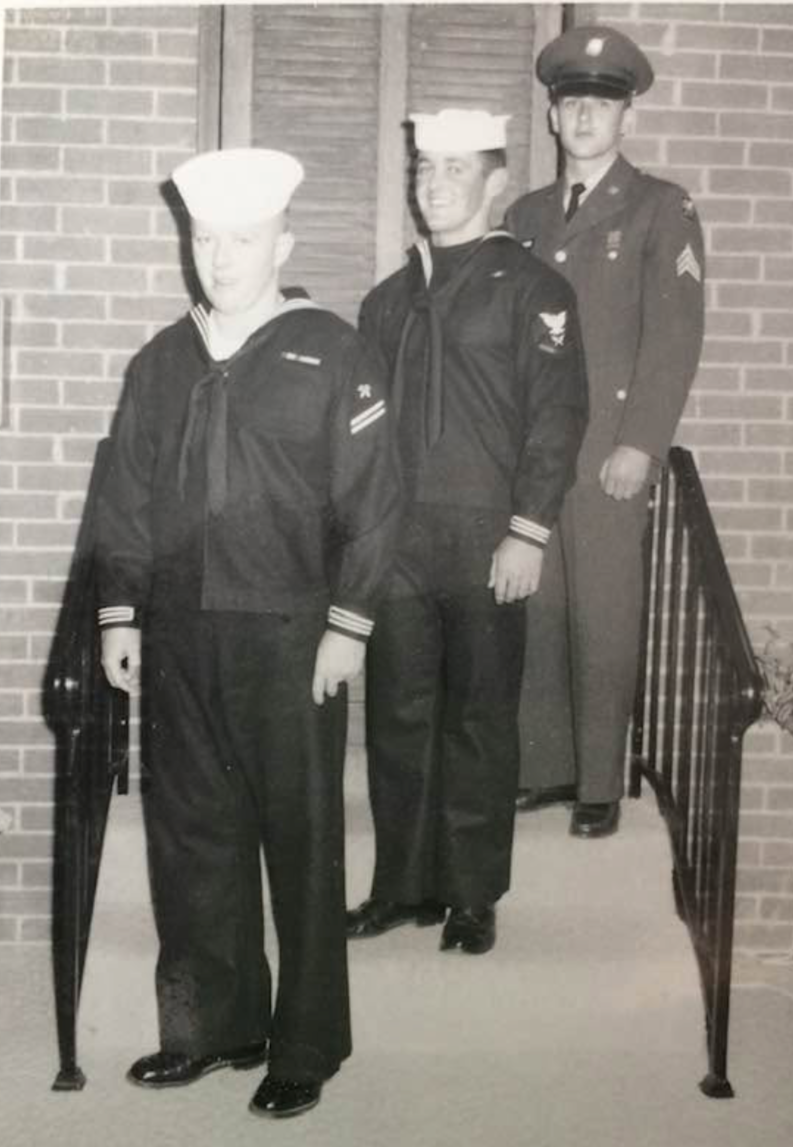
U.S. Navy • 1967
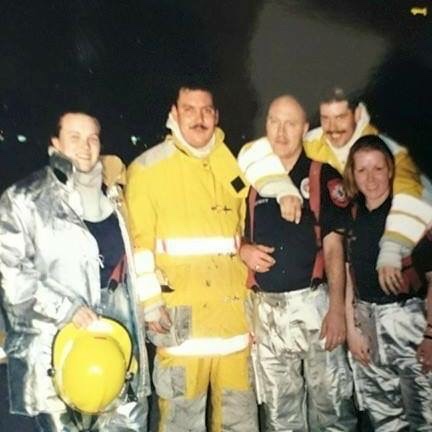
U.S. Navy
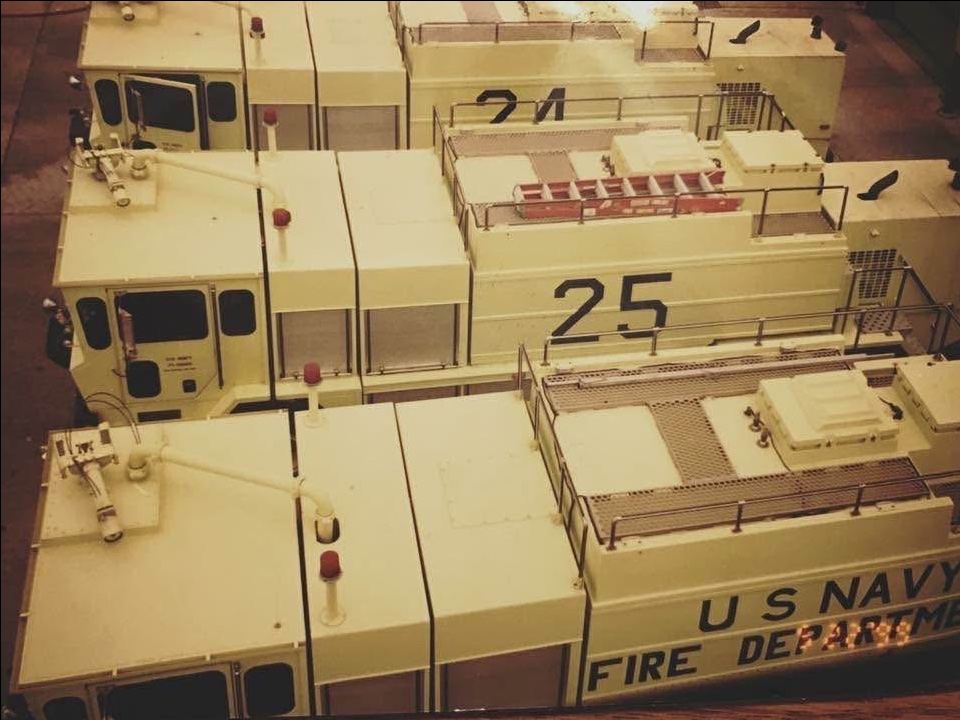
U.S. Navy
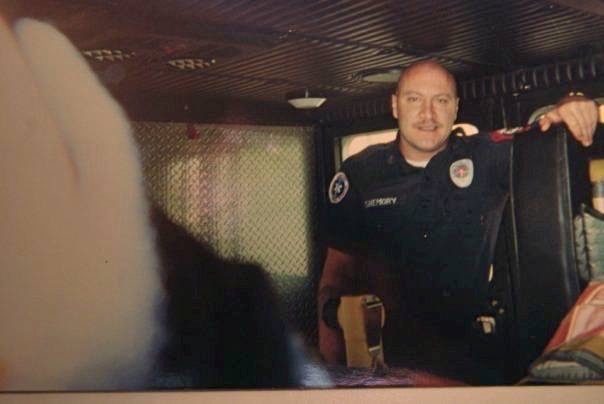
U.S. Navy