
Opening branch overview
Building the branch home surface
Loading branch highlights, featured unit context, and gallery moments.
Overview
Members
Units
Building the branch home surface
Loading branch highlights, featured unit context, and gallery moments.
Building the branch units surface
Loading unit filters, rankings, and the branch unit grid.

27 members•1 unit
Relive and share the memories of your service-time with your brothers and sisters in arms today. VetFriends.com can help you reconnect.
Did you proudly serve in the Supply Corp?
Are you looking for someone who is or was in the Supply Corp?
Do you have Supply Corp photos you'd like to share?
Then join a community with your brothers and sisters of the Supply Corp.
Branch
U.S. Navy
Members
27
The Supply Corps, often referred to as the "Navy Supply Corps" in the United States, traces its origins back to 1795, when the position of Purveyor of Public Supplies was established to support naval operations. Over time, the unit evolved to provide comprehensive logistical support, including procurement, financial management, and supply chain operations, ensuring fleets remained combat-ready. During major conflicts such as World War II, the Supply Corps played a pivotal role in sustaining global naval operations through efficient resource management and distribution. Today, members of the Supply Corps continue to serve as the backbone of military logistics, adapting to modern challenges and supporting missions worldwide.
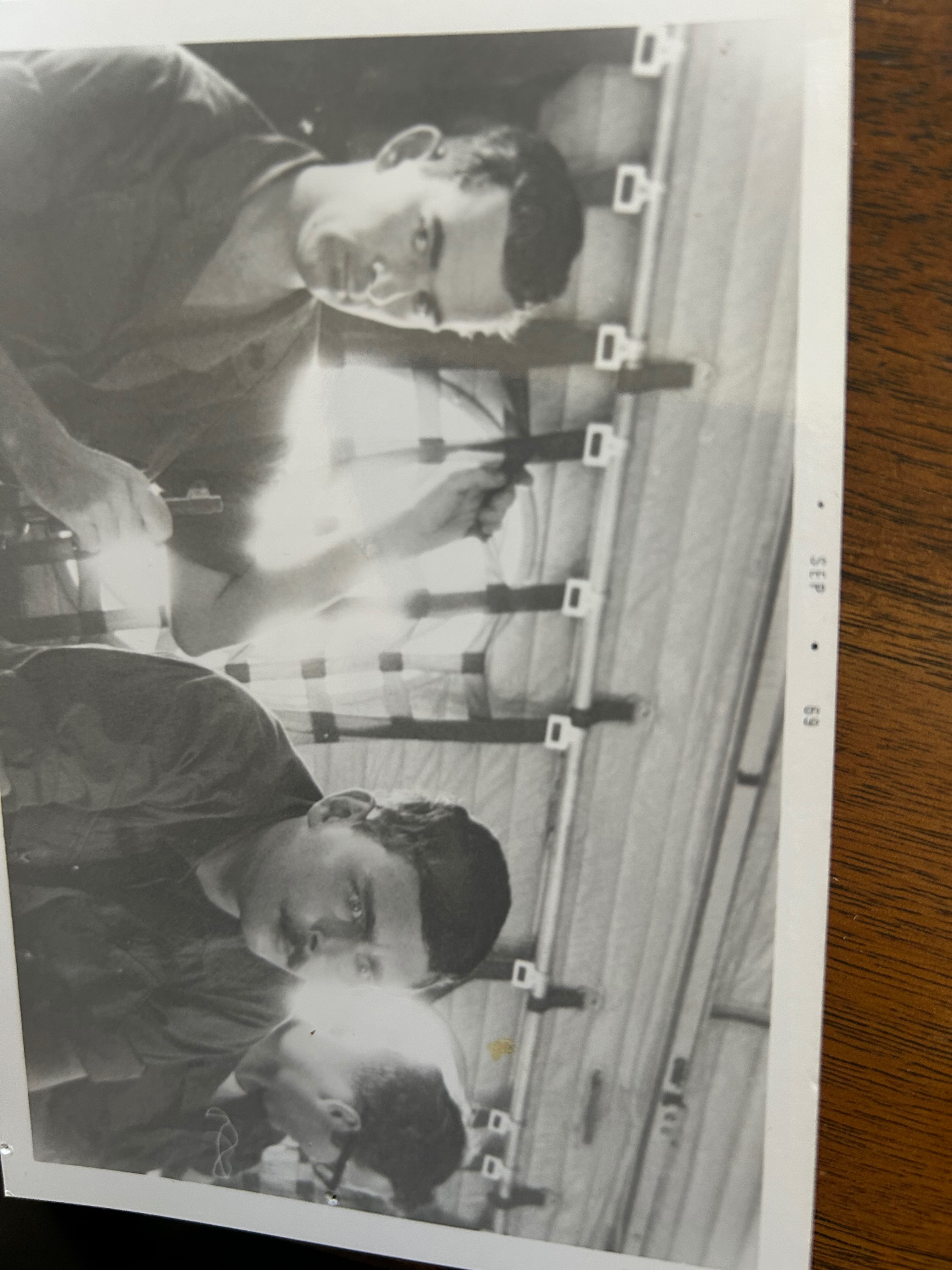
MILPHAP N-4 • U.S. Navy • 1968
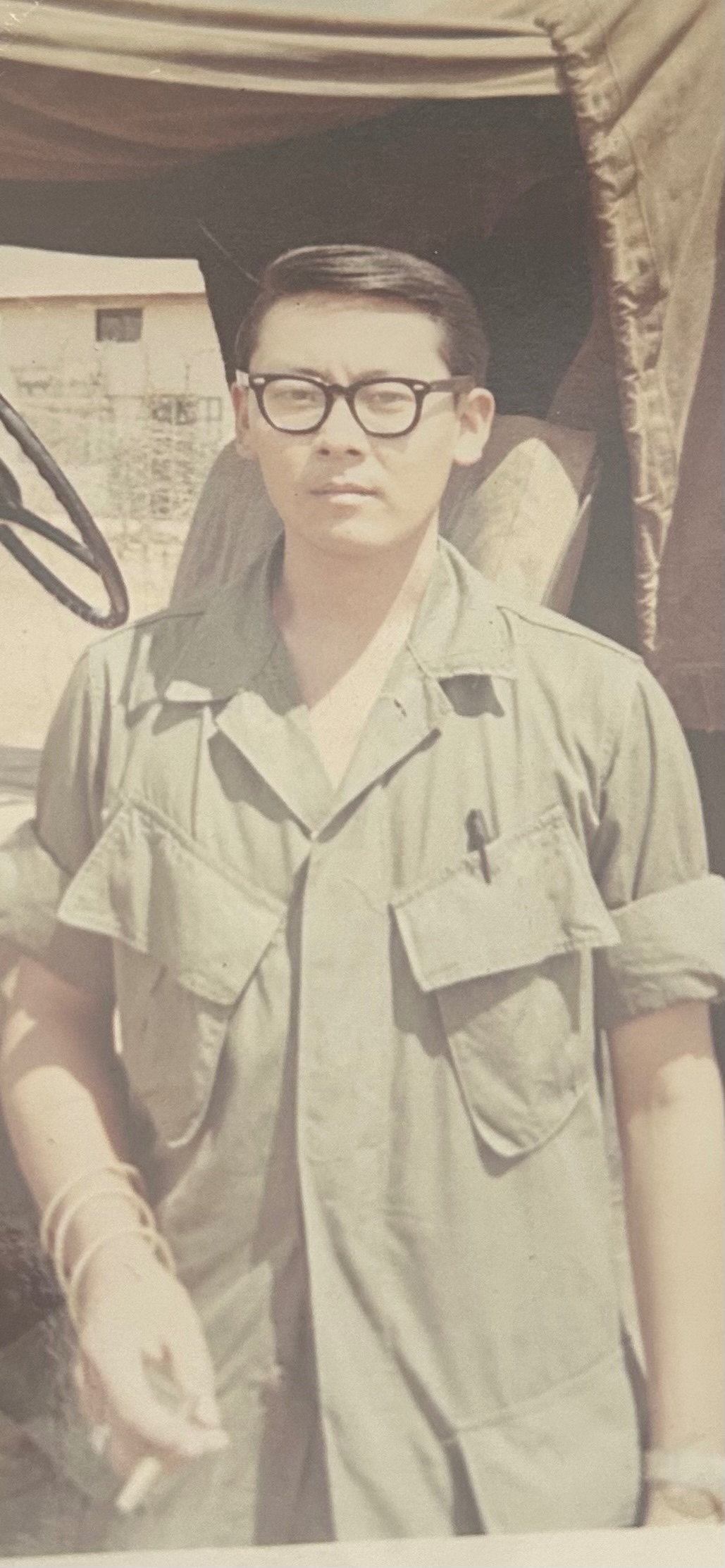
MILPHAP N-4 • U.S. Navy • 1968

U.S. Navy • 1968
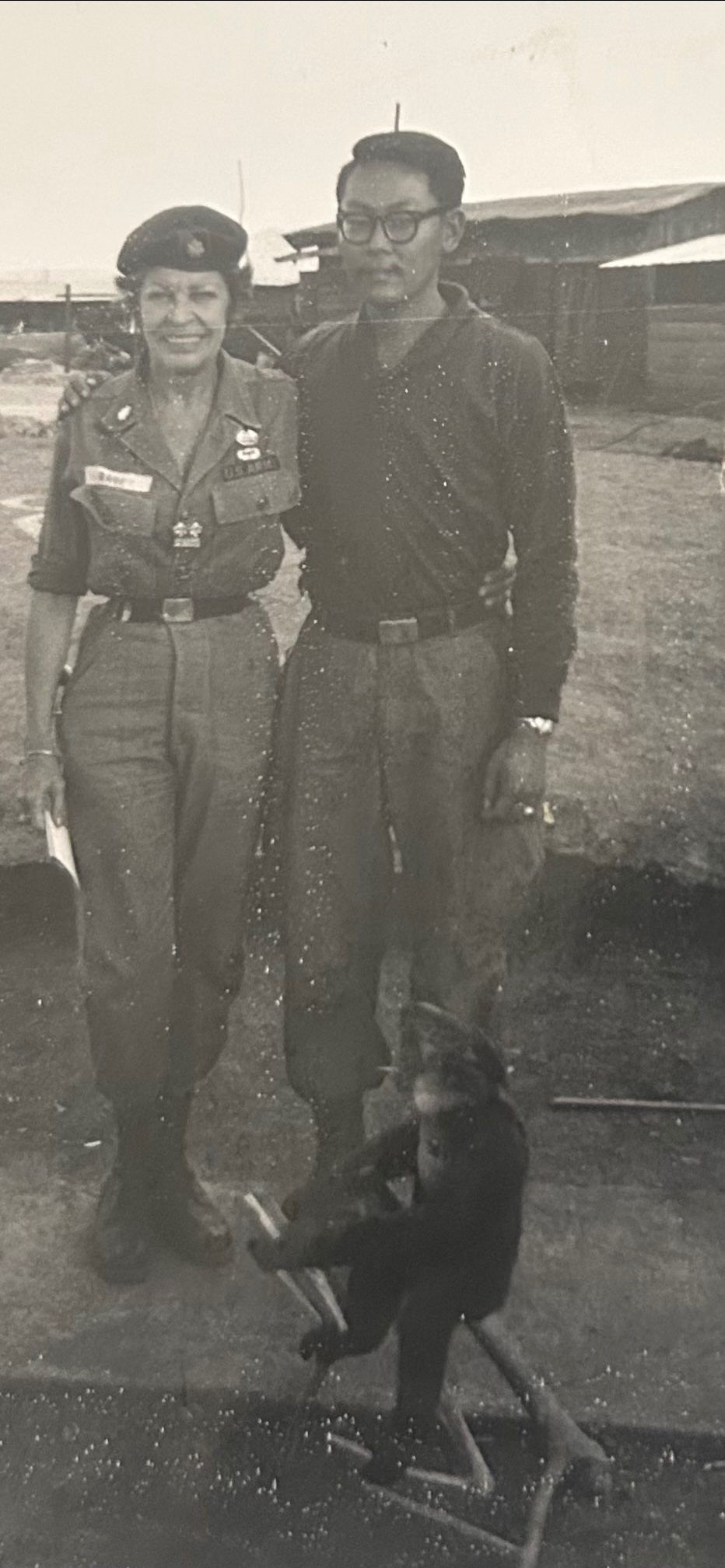
U.S. Navy • 1968