
Opening branch overview
Building the branch home surface
Loading branch highlights, featured unit context, and gallery moments.
Overview
Members
Units
Building the branch home surface
Loading branch highlights, featured unit context, and gallery moments.
Building the branch units surface
Loading unit filters, rankings, and the branch unit grid.

U.S. Navy•30 members
Relive and share the memories of your service-time with your brothers and sisters in arms today. VetFriends.com can help you reconnect.
Did you proudly serve in the HM-12?
Are you looking for someone who is or was in the HM-12?
Do you have HM-12 photos you'd like to share?
Then join a community with your brothers and sisters of the HM-12.
Helicopter Mine Countermeasures Squadron Twelve (HM-12), known as the "Sea Dragons," was established by the United States Navy on April 1, 1971. As the Navy’s first dedicated airborne mine countermeasures (AMCM) squadron, HM-12 played a crucial role in developing and deploying helicopter-based mine-sweeping techniques, primarily using the CH-53 Sea Stallion helicopters. The unit provided vital mine-clearing support during operations such as the Vietnam War and later the Persian Gulf conflicts. HM-12 was instrumental in training personnel and establishing doctrine for modern mine countermeasures before its deactivation in 1994, with its legacy continued by successor squadrons.
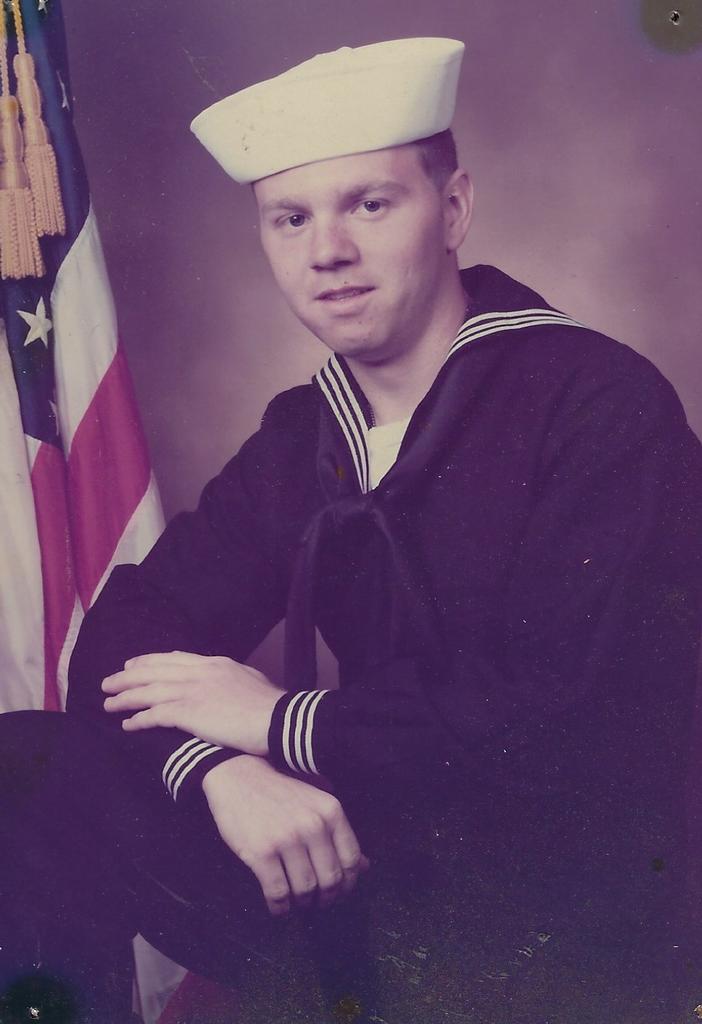
U.S. Navy
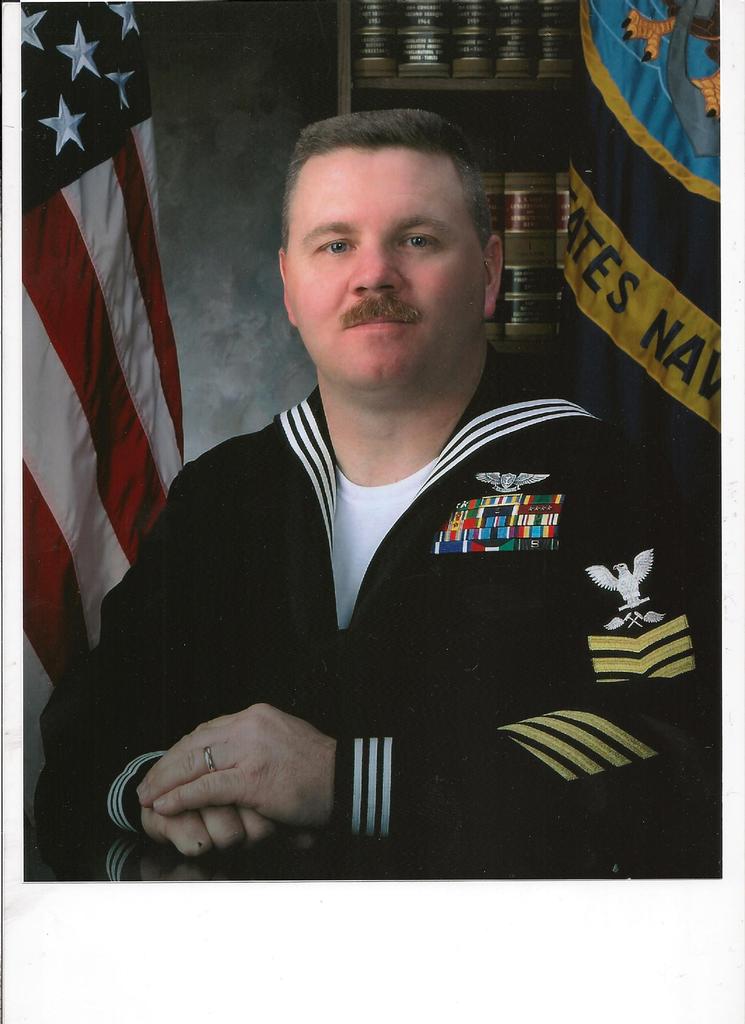
U.S. Navy