
Opening branch overview
Building the branch home surface
Loading branch highlights, featured unit context, and gallery moments.
Overview
Members
Units
Building the branch home surface
Loading branch highlights, featured unit context, and gallery moments.
Building the branch units surface
Loading unit filters, rankings, and the branch unit grid.

30 members•1 unit
Relive and share the memories of your service-time with your brothers and sisters in arms today. VetFriends.com can help you reconnect.
Did you proudly serve in the USS Belknap (CG-26)?
Are you looking for someone who is or was in the USS Belknap (CG-26)?
Do you have USS Belknap (CG-26) photos you'd like to share?
Then join a community with your brothers and sisters of the USS Belknap (CG-26).
Branch
U.S. Navy
Members
30
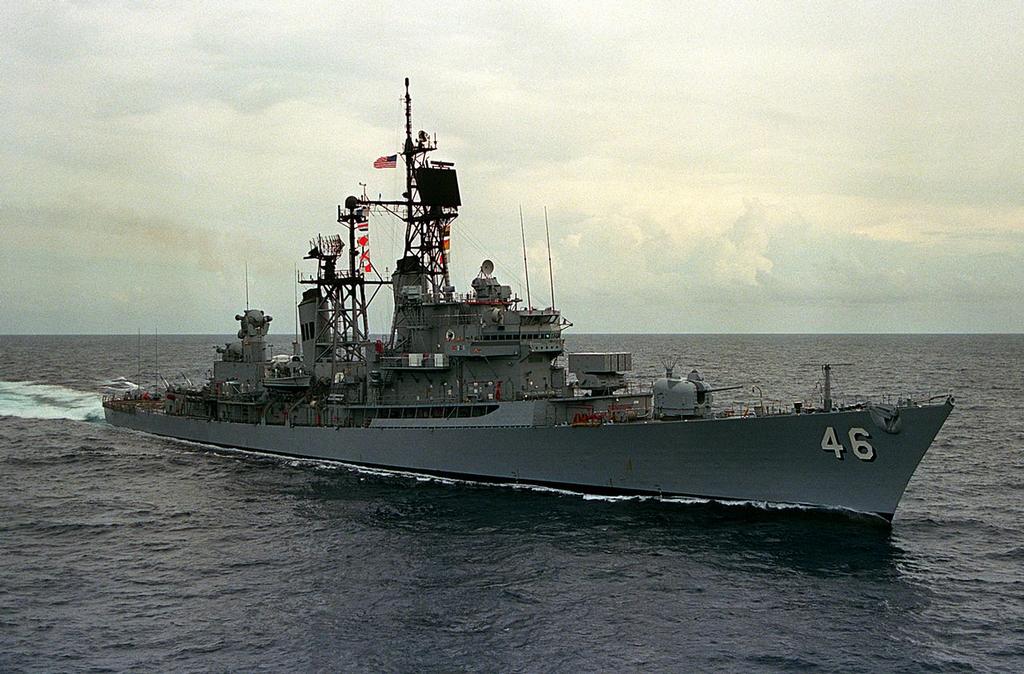
USS Belknap (CG-26) was a guided missile cruiser and the lead ship of her class in the United States Navy, commissioned in 1964. Originally designated as a destroyer leader (DLG-26), she was later reclassified as a cruiser (CG-26) in 1975. Belknap is most notably remembered for the catastrophic collision with the aircraft carrier USS John F. Kennedy in 1975, which resulted in a deadly fire and extensive damage. After an extensive rebuild, she returned to service, eventually serving as the flagship for the U.S. Sixth Fleet before being decommissioned in 1995.

U.S. Navy
U.S. Navy
U.S. Navy
U.S. Navy