
Loading branch
Over 3,064,780 active members
Loading branch
11 members
USS Klakring (FFG-42) was an Oliver Hazard Perry-class guided-missile frigate of the United States Navy, commissioned on 20 August 1983. Named after Rear Admiral Thomas B. Klakring, the ship served in a variety of roles including escort duties, maritime security operations, and joint exercises with allied navies. Throughout its active years, Klakring participated in operations such as counter-narcotics patrols in the Caribbean and supported Operation Earnest Will in the Persian Gulf during the late 1980s. The ship was decommissioned on 22 March 2013, after nearly 30 years of service, and was later sunk as a target during a training exercise.
11 members
USS Knox (FF-1052) was the lead ship of the Knox-class frigates in the United States Navy, commissioned on April 12, 1969. Designed primarily for anti-submarine warfare, she served extensively during the Cold War, conducting patrols, exercises, and escort missions in the Atlantic and Pacific Oceans. The vessel participated in numerous NATO operations and goodwill visits, enhancing U.S. naval presence worldwide. After more than two decades of service, USS Knox was decommissioned on February 14, 1992, and later transferred to Taiwan, where she served as ROCS Chi Yang (FFG-932).
11 members
USS Krishna (ARL-38) was a landing craft repair ship commissioned by the United States Navy in 1945, near the end of World War II. Originally laid down as LST-1149, she was converted to an Achelous-class repair ship to provide maintenance and support for landing craft and small vessels. After serving briefly in the Pacific theater, Krishna was decommissioned in 1947 but later recommissioned for service during the Korean War and the Vietnam War, supporting amphibious operations and riverine forces. The ship was finally decommissioned in 1971 and struck from the Naval Vessel Register, concluding her distinguished service career.
11 members
USS Leyte Gulf (CG 55) is a Ticonderoga-class guided-missile cruiser commissioned into the United States Navy on September 26, 1987. Named after the decisive World War II Battle of Leyte Gulf, the ship has served extensively in the Atlantic and Mediterranean, supporting carrier strike groups, conducting maritime security operations, and participating in major exercises and deployments. Notably, USS Leyte Gulf has been involved in operations such as Desert Storm, Enduring Freedom, and Iraqi Freedom, providing air defense and surface warfare capabilities. Over its distinguished service, the cruiser has received numerous awards for operational excellence and remains a key asset in the U.S. Navy’s surface fleet.
11 members
USS Lockwood (FF-1064) was a Knox-class frigate commissioned by the United States Navy in 1971. Named after Vice Admiral Charles A. Lockwood, a prominent submarine commander during World War II, the ship was primarily tasked with anti-submarine warfare and escort duties during the Cold War. Throughout her service, Lockwood participated in numerous exercises and deployments, including operations in the Pacific and Indian Oceans, as well as supporting US interests in the Western Pacific. After more than two decades of service, USS Lockwood was decommissioned in 1992 and subsequently transferred to the Turkish Navy, where she served as TCG Karadeniz (F-255).
11 members
USS Lowry (DD-770) was an Allen M. Sumner-class destroyer commissioned by the United States Navy in December 1944. She served with distinction during World War II, participating in the Battle of Okinawa and providing vital anti-aircraft and shore bombardment support. After the war, Lowry saw action during the Korean War and later operated in the Atlantic and Mediterranean during the Cold War, supporting NATO operations. Decommissioned in 1973, USS Lowry earned multiple battle stars for her service across three major conflicts.
11 members
USS Manatee (AO-58) was a Cimarron-class fleet oiler commissioned by the United States Navy in December 1944. During World War II, she played a vital role in fueling Allied ships at sea during operations in the Pacific Theater, including support for the Okinawa campaign. After the war, Manatee continued to serve through the Korean and Vietnam Wars, providing essential logistical support to naval forces engaged in both conflicts. The ship was decommissioned in 1973 after nearly three decades of distinguished service and was eventually scrapped.
11 members
USS Manitowoc (LST-1180) was a Newport-class tank landing ship commissioned by the United States Navy in 1971. Designed to transport and deploy tanks, vehicles, and troops directly onto shore, she served extensively with the Atlantic Fleet and participated in multiple training exercises and amphibious operations. Manitowoc supported NATO exercises, Caribbean deployments, and humanitarian missions, reflecting the versatility of the Newport-class design. Decommissioned in 1993, she was later transferred to the Republic of China Navy, where she served as ROCS Chung Ho (LST-225).
11 members
USS Manley (DD-940) was a Forrest Sherman-class destroyer commissioned by the United States Navy in 1957. Named after Captain John Manley, a notable figure from the American Revolutionary War, the ship served extensively during the Cold War era. Manley participated in significant operations including the Cuban Missile Crisis blockade in 1962 and deployments during the Vietnam War, providing naval gunfire support. The destroyer continued service through NATO exercises and Mediterranean deployments until being decommissioned in 1983.
11 members
USS McInerney (FFG-8) was an Oliver Hazard Perry-class guided-missile frigate of the United States Navy, commissioned in 1979. Named after Vice Admiral Francis X. McInerney, the ship served primarily in anti-submarine warfare roles and participated in multiple operations, including drug interdiction patrols in the Caribbean and support for Middle East operations. During its service, USS McInerney was notable for being the first ship of its class to be equipped with the SH-60B Seahawk helicopter. After over 30 years of active service, the frigate was decommissioned in 2010 and transferred to the Pakistan Navy, where it was renamed PNS Alamgir (F-260).
11 members
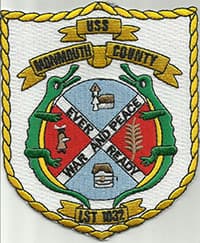
USS Monmouth County (LST-1032) was a tank landing ship commissioned by the United States Navy during World War II. Launched in 1944, she participated in key Pacific Theater operations, including landings in the Philippines and Okinawa. After decommissioning post-war, she was recommissioned for service during the Korean War and later served in the Vietnam War, supporting amphibious operations and logistic missions. The vessel was finally decommissioned in 1971, concluding a distinguished career spanning multiple conflicts.
11 members
USS Providence (SSN-719) is a Los Angeles-class nuclear-powered attack submarine commissioned into the United States Navy in 1985. Built by the Electric Boat Division of General Dynamics in Groton, Connecticut, the submarine has played a critical role in numerous operations, including deployment during Operation Desert Storm in 1991. Notably, Providence was the first submarine to launch Tomahawk cruise missiles in combat during this conflict. Throughout her service, she has participated in various exercises and missions, contributing significantly to the Navy’s undersea warfare capabilities until her decommissioning in August 2021.
11 members
USS Ramsey (FFG-2) was a Brooke-class guided missile frigate of the United States Navy, commissioned on June 3, 1967. Named after Admiral DeWitt Clinton Ramsey, the ship was designed for anti-aircraft and anti-submarine warfare, equipped with advanced missile and sonar systems for its time. Throughout its service, USS Ramsey participated in Vietnam War operations, providing naval gunfire support and escort duties. The ship was decommissioned on September 1, 1988, and later sunk as a target during a training exercise in 2000.
11 members
USS Richard S. Edwards (DD-950) was a Forrest Sherman-class destroyer commissioned by the United States Navy in February 1959. Named after Admiral Richard S. Edwards, the ship served extensively in the Pacific Fleet, participating in numerous operations during the Vietnam War, including naval gunfire support and search and rescue missions. Throughout her service, USS Richard S. Edwards earned several commendations for her performance and dedication. She was decommissioned in December 1982 and subsequently struck from the Naval Vessel Register.
11 members
USS Robert E. Peary (FF-1073) was a Knox-class frigate commissioned by the United States Navy in 1972. Named after the famed Arctic explorer Rear Admiral Robert E. Peary, the ship conducted anti-submarine warfare operations, training exercises, and patrol missions primarily in the Pacific and Indian Oceans during the Cold War. She participated in numerous multinational exercises and provided escort and surveillance duties to support U.S. interests. Decommissioned in 1992, the vessel was later transferred to the Republic of China (Taiwan) Navy, where she served as ROCS Chi Yang (FFG-932).
11 members
USS Rupertus (DD-851) was a Gearing-class destroyer of the United States Navy, commissioned in March 1946. Named after Marine Corps General William H. Rupertus, the ship served extensively during the Cold War era. Rupertus saw action in the Korean War, providing gunfire support and screening aircraft carriers, and later participated in the Vietnam War, conducting naval gunfire missions and search-and-rescue operations. The destroyer remained active until 1973, after which she was transferred to the Republic of China Navy, where she continued service as ROCS Hua Yang (DD-6).
11 members
USS SCOTT (DDG-995) was a Kidd-class guided missile destroyer commissioned into the United States Navy in 1981. Originally built for the Iranian Navy, she was acquired by the U.S. after the Iranian Revolution and named after Rear Admiral Norman Scott, a Medal of Honor recipient. Throughout the 1980s and 1990s, SCOTT conducted various operations, including deployments to the Mediterranean, Atlantic, and Persian Gulf, supporting U.S. interests and participating in multinational exercises. She was decommissioned in 1998 and later transferred to the Republic of China (Taiwan) Navy, where she served as ROCS Kee Lung (DDG-1801).
11 members
USS Spartanburg County (LST-1192) was a Newport-class tank landing ship commissioned by the United States Navy in 1971. Designed for rapid loading and unloading of tanks, vehicles, and troops, she participated in numerous amphibious training exercises and NATO operations throughout her service. The ship played a vital logistical role in supporting U.S. and allied forces during the Cold War, particularly in the Atlantic and Mediterranean regions. After over two decades of service, USS Spartanburg County was decommissioned in 1994 and later transferred to the Royal Malaysian Navy.
11 members
USS *Texas* (CGN-39) was a Virginia-class nuclear-powered guided missile cruiser in the United States Navy, commissioned on 10 September 1977. She served primarily with the Pacific Fleet, participating in numerous operations and exercises, including deployments to the Western Pacific, Indian Ocean, and Persian Gulf during the Cold War. *Texas* provided carrier battle group escort, air defense, and surface/strike capabilities with her advanced missile systems. After over fifteen years of service, she was decommissioned on 16 May 1993, as part of post-Cold War force reductions.
11 members
USS The Sullivans (DDG-68) is an Arleigh Burke-class guided missile destroyer commissioned into the United States Navy on April 19, 1997. Named in honor of the five Sullivan brothers who tragically lost their lives aboard USS Juneau during World War II, the ship embodies their legacy of sacrifice and service. Throughout its service, USS The Sullivans has participated in numerous operations, including maritime security patrols, joint exercises with allied navies, and support missions in the Global War on Terrorism. The ship continues to serve as a vital component of the U.S. Navy’s surface fleet, upholding the memory of the Sullivan brothers through dedication and excellence at sea.
11 members
USS *Tuscaloosa* (LST-1187) was a Newport-class tank landing ship commissioned by the United States Navy in 1970. Designed to support amphibious operations, she featured a unique bow ramp for rapid offloading of vehicles and cargo directly onto shore. Throughout her service, *Tuscaloosa* participated in numerous training exercises, humanitarian missions, and deployments in the Pacific and Indian Oceans, playing a vital support role during the Vietnam War and later Cold War operations. She was decommissioned in 1994 and subsequently struck from the Naval Vessel Register.
11 members
USS Vincennes (CG-49) was a Ticonderoga-class guided missile cruiser commissioned into the United States Navy in 1985. Named after the Revolutionary War Battle of Vincennes, she served extensively in the Pacific Fleet and participated in numerous exercises and operations throughout her career. Most notably, on July 3, 1988, Vincennes mistakenly shot down Iran Air Flight 655 over the Persian Gulf, resulting in 290 civilian deaths and significant international controversy. The ship continued to serve until her decommissioning in 2005, after which she was placed in reserve.
11 members
USS Whipple (FF-1062) was a Knox-class frigate commissioned into the United States Navy in 1970. Named after Commodore Abraham Whipple, the ship played a vital role during the Cold War, conducting anti-submarine warfare operations and escort missions, particularly in the Pacific and Indian Oceans. Whipple participated in significant exercises and supported operations during the Vietnam War, including search and rescue missions. After over two decades of service, she was decommissioned in 1992 and later transferred to the Mexican Navy, where she served under the name ARM Mina (F-214).
11 members
USS Wright (CC-2) was a planned Lexington-class battlecruiser for the United States Navy, laid down in 1921 at the Newport News Shipbuilding Company. Named after the Wright brothers, the ship was part of a class designed during World War I to counter new fast battleships and cruisers. However, construction was halted and ultimately canceled in 1923 following the Washington Naval Treaty, which imposed strict limits on capital ship construction. The incomplete hull was scrapped on the slipway, and the name Wright was later reassigned to other Navy vessels.