
Opening branch overview
Building the branch home surface
Loading branch highlights, featured unit context, and gallery moments.
Overview
Members
Units
Building the branch home surface
Loading branch highlights, featured unit context, and gallery moments.
Building the branch units surface
Loading unit filters, rankings, and the branch unit grid.

11 members•1 unit
Relive and share the memories of your service-time with your brothers and sisters in arms today. VetFriends.com can help you reconnect.
Did you proudly serve in the USS Vincennes (CG-49)?
Are you looking for someone who is or was in the USS Vincennes (CG-49)?
Do you have USS Vincennes (CG-49) photos you'd like to share?
Then join a community with your brothers and sisters of the USS Vincennes (CG-49).
Branch
U.S. Navy
Members
11
USS Vincennes (CG-49) was a Ticonderoga-class guided missile cruiser commissioned into the United States Navy in 1985. Named after the Revolutionary War Battle of Vincennes, she served extensively in the Pacific Fleet and participated in numerous exercises and operations throughout her career. Most notably, on July 3, 1988, Vincennes mistakenly shot down Iran Air Flight 655 over the Persian Gulf, resulting in 290 civilian deaths and significant international controversy. The ship continued to serve until her decommissioning in 2005, after which she was placed in reserve.

U.S. Navy
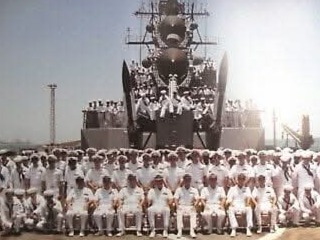
Dahlgrenddg43 • U.S. Navy • 1990
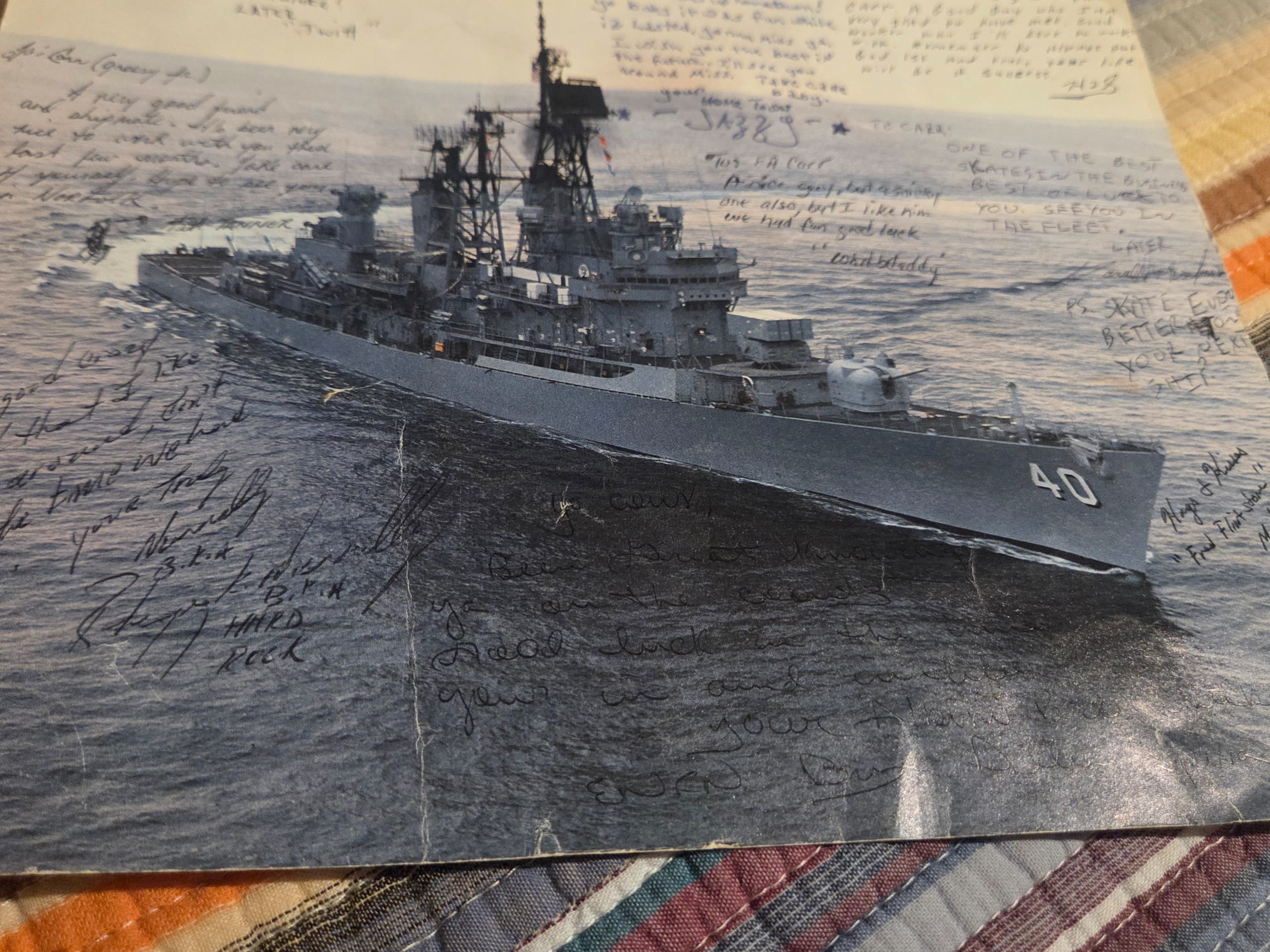
Coontz ddg 40 • U.S. Navy • 1989
Coontz ddg 40 • U.S. Navy • 1988