
Loading dashboard
Preparing your dashboard…
Loading dashboard
Preparing your dashboard…
7,146 units • 1,346,769 members
2nd Combat Engineers
U.S. Army
The 2nd Combat Engineers is a distinguished military unit known for providing critical engineering support to combat operations. Originally formed to enhance mobility, survivability, and countermobility for frontline forces, the unit has participated in numerous major conflicts, including World War II, the Korean War, and operations in the Middle East. Their expertise includes breaching obstacles, constructing defensive positions, and executing demolitions under fire. The 2nd Combat Engineers have earned multiple commendations for their bravery and technical proficiency, solidifying their reputation as a vital component of combined arms operations.
4th Infantry
U.S. Army
The 4th Infantry Division, known as the "Ivy Division," was first activated in 1917 and participated in major campaigns during World War I, including the Meuse-Argonne Offensive. During World War II, the division famously landed at Utah Beach on D-Day, June 6, 1944, playing a critical role in the Normandy invasion and the subsequent liberation of France. In the Vietnam War, the 4th Infantry Division conducted extensive combat operations in the Central Highlands. In the 21st century, the division has served multiple deployments in Iraq and Afghanistan, continuing its legacy as one of the U.S. Army’s most storied and decorated units.
1:10th FA
U.S. Army
The 1st Battalion, 10th Field Artillery Regiment (1/10th FA) was first constituted in 1916 and organized at Camp Stewart, Texas. The unit saw distinguished service during World War I as part of the 3rd Division, notably earning its motto "The Rock's Support" for its role in the defense of the Marne. Throughout World War II, 1/10th FA participated in campaigns across North Africa, Sicily, Italy, France, and Germany, providing critical artillery support. In subsequent years, the battalion has served in various capacities, including during the Korean War, and is currently assigned to the 3rd Infantry Division, continuing its legacy of excellence and readiness.
HEADQUARTERS AND HEADQUARTERS COMPANY
U.S. Army
**Headquarters and Headquarters Company (HHC)** serves as the central command element for military battalions, brigades, or higher formations. Traditionally, HHC was established to provide administrative, logistical, and operational support to the unit’s staff and commanding officers. Over the years, HHC has played a pivotal role in coordinating mission planning, intelligence, communications, and personnel management during both peacetime and combat operations. The company’s flexibility and organizational structure have allowed it to adapt to evolving mission requirements across multiple conflicts, ensuring effective command and control for its parent unit.
1:16th Infantry
U.S. Army
The 1st Battalion, 16th Infantry Regiment—known as the “Iron Rangers”—was originally constituted in 1861 and has participated in every major American conflict since the Civil War. The unit distinguished itself during World War I and World War II, earning campaign streamers for key actions in Europe, including the Normandy landings and the Battle of the Bulge. In Vietnam, the 1/16th Infantry saw extensive combat as part of the 1st Infantry Division (“Big Red One”), conducting search-and-destroy and counterinsurgency operations. More recently, the battalion deployed multiple times to Iraq and Afghanistan, continuing its legacy of service and valor in the Global War on Terrorism.
1:32nd Infantry
U.S. Army
The 1st Battalion, 32nd Infantry Regiment, known as the "Queen's Own," was originally constituted in 1916 and has since played a significant role in U.S. Army history. It distinguished itself in World War II with campaigns in the Pacific, notably in New Guinea and the Philippines. During the Korean War, the battalion was instrumental in the defense of the Pusan Perimeter and the breakout from the Chosin Reservoir. In more recent years, 1/32nd Infantry has deployed in support of Operation Enduring Freedom in Afghanistan, continuing its legacy of service and valor.
1:75th FA
U.S. Army
The 1st Battalion, 75th Field Artillery (1/75th FA) was originally constituted in the Regular Army on 1 July 1916. It was organized at Fort Sill, Oklahoma, and served with distinction in World War I, providing artillery support during major campaigns in France. During World War II, the unit participated in multiple operations across the European Theater, earning several campaign streamers for its effective fire support. Over the decades, the 1/75th FA has continued to evolve, supporting U.S. Army missions and maintaining a reputation for excellence in field artillery operations.
32nd Army Air Defense Command
U.S. Army
The 32nd Army Air Defense Command (32nd AADCOM) was a United States Army formation activated in 1966 and headquartered in Germany. Its primary mission was to provide air defense for U.S. and NATO forces in Central Europe during the Cold War, employing missile systems such as the Nike Hercules and later the Patriot. The unit played a crucial role in deterring potential Warsaw Pact air attacks by integrating advanced radar, command, and control networks across the region. The 32nd AADCOM was inactivated in 1992 following the end of the Cold War and the subsequent reduction of U.S. forces in Europe.
141st Signal Battalion
U.S. Army
The 141st Signal Battalion was originally constituted in 1940 and activated in 1941 as a communications unit in support of armored operations. During World War II, the battalion served with distinction in North Africa, Sicily, and across Europe, providing vital signal and communications support to the 1st Armored Division. Throughout the Cold War, it was stationed in Germany, maintaining readiness and supporting NATO missions. The 141st Signal Battalion later participated in Operation Desert Storm and peacekeeping operations, before being inactivated in 2007 as part of Army transformation efforts.
173d Airborne Brigade (SEP)
U.S. Army
The 173d Airborne Brigade (Separate), known as the "Sky Soldiers," was activated in 1915 and reactivated in 1963 on Okinawa as the first major U.S. Army ground combat unit committed to the Vietnam War. The brigade made the first combat parachute assault of the war in 1967 during Operation Junction City and participated in numerous major operations, earning 14 campaign streamers and four unit citations. After Vietnam, the unit was inactivated in 1972 but reactivated in 2000 in Italy, serving as the U.S. Army’s rapid response force in Europe. Since then, the 173d has deployed to Iraq and Afghanistan, continuing its tradition of airborne excellence and readiness.
2nd Armored Calvary
U.S. Army
The 2nd Armored Cavalry Regiment (2nd ACR), now known as the 2nd Cavalry Regiment, is one of the oldest continuously serving cavalry units in the United States Army, established in 1836. The regiment distinguished itself in numerous conflicts, including the Mexican-American War, the Civil War, and both World Wars, serving as a mechanized and later armored reconnaissance force. During the Cold War, the 2nd ACR played a key role in patrolling the Fulda Gap in Germany, prepared to counter potential Warsaw Pact advances. In more recent history, the regiment participated in Operation Desert Storm, Operation Iraqi Freedom, and missions in Afghanistan, adapting to modern reconnaissance and security operations while upholding its storied legacy.
34th Signal Battalion
U.S. Army
The 34th Signal Battalion was originally constituted on 11 May 1942 in the Army of the United States and activated at Camp Crowder, Missouri. During World War II, the battalion provided critical communications support throughout the European Theater, participating in campaigns such as Normandy, Northern France, Rhineland, Ardennes-Alsace, and Central Europe. After the war, the unit was inactivated in 1946 but was later reactivated and served in various capacities, supporting U.S. Army operations during the Cold War and into the modern era. The 34th Signal Battalion remains recognized for its excellence in delivering reliable communication networks to enable command and control for military operations.
75TH RANGER
U.S. Army
The 75th Ranger Regiment, often simply called the 75th Rangers, is an elite airborne light infantry unit of the United States Army. Its lineage traces back to World War II, when Ranger battalions spearheaded Allied operations in Europe and the Pacific. Reactivated in 1974, the modern regiment has since participated in key operations including the invasions of Grenada and Panama, the Gulf War, and major campaigns in Afghanistan and Iraq. Renowned for their rigorous selection process and specialized training, the 75th Rangers are tasked with direct action raids, airfield seizures, and special reconnaissance missions worldwide.
Quartermaster Corps
U.S. Army
The Quartermaster Corps is one of the oldest branches of the United States Army, officially established on June 16, 1775, during the Revolutionary War. Its primary mission has been to provide logistics support—supplying troops with food, clothing, fuel, and equipment—ensuring operational readiness across all Army campaigns. Over the centuries, the Corps has adapted to technological advancements and changing warfare, playing vital roles in conflicts from the Civil War to modern operations in Iraq and Afghanistan. Today, the Quartermaster Corps continues to underpin Army effectiveness through innovative supply chain management and sustainment operations worldwide.
1:15th FA
U.S. Army
The 1st Battalion, 15th Field Artillery Regiment (1/15th FA) was originally constituted on 1 July 1916 in the Regular Army as Battery A, 15th Field Artillery. The unit served with distinction in World War I as part of the 2nd Infantry Division, participating in several major campaigns including Aisne-Marne and Meuse-Argonne. Throughout World War II, 1/15th FA supported Allied operations in the European Theater, notably in Normandy and the Rhineland. In the decades that followed, the battalion continued to serve in key conflicts, including the Korean and Vietnam Wars, and remains an integral part of the U.S. Army's field artillery forces today.
1:22 INFANTRY (IFFV)
U.S. Army
The 1st Battalion, 22nd Infantry Regiment (1/22 INF), nicknamed the "Regulars," traces its origins to 1861, organized during the Civil War as part of the Army of the Potomac. The unit has seen extensive combat throughout U.S. history, notably participating in the Indian Wars, both World Wars, the Vietnam War, and Operations Iraqi Freedom and Enduring Freedom. During the Vietnam War, 1/22 INF was attached to the 4th Infantry Division (Mechanized) and operated extensively in the Central Highlands, often deploying via Infantry Fighting Vehicles (IFV), which is sometimes referenced as IFFV (Infantry Fighting Force Vehicle). The battalion is renowned for its adaptability, valor, and longstanding service in key campaigns, upholding its motto, "Deeds, Not Words."
23rd Engineers
U.S. Army
The 23rd Engineers is a distinguished unit in the United States Army, originally constituted during World War I. Activated in 1917, the unit provided essential engineering support for American Expeditionary Forces in France, constructing roads, bridges, and defensive positions. The battalion was reactivated during World War II, where it played a crucial role in both European and Pacific Theaters, contributing to numerous campaigns. In the years since, the 23rd Engineers have continued to serve in various conflicts and peacekeeping missions, maintaining a proud tradition of technical expertise and combat support.
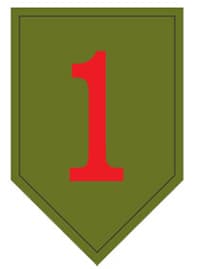
1st Infantry Division
U.S. Army
The 1st Infantry Division, nicknamed "The Big Red One," is the oldest continuously serving division in the United States Army, activated in 1917. It fought in World War I, leading the first American offensive and participating in major operations such as Cantigny and the Meuse-Argonne Offensive. During World War II, the division landed on Omaha Beach on D-Day and fought in key campaigns across North Africa and Europe. Since then, the 1st Infantry Division has served in Vietnam, the Gulf War, the Balkans, Iraq, and Afghanistan, maintaining a distinguished record of service.
702nd Maintenance Battalion
U.S. Army
The 702nd Maintenance Battalion is a key support unit of the United States Army, originally constituted during the Korean War era to provide essential maintenance and logistical support to combat operations. Stationed primarily with the 2nd Infantry Division, the battalion has played a vital role in ensuring the operational readiness of vehicles, weapon systems, and equipment, particularly on the Korean Peninsula. Throughout its history, the 702nd has participated in numerous exercises and real-world contingencies, contributing to the division’s ability to deter aggression and maintain stability in Northeast Asia. The battalion continues to uphold a reputation for technical excellence and mission readiness in support of U.S. and allied forces.
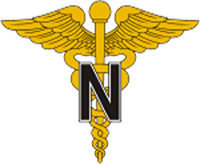
Army Nurses Corps
U.S. Army
The Army Nurse Corps (ANC) was established as a permanent corps of the U.S. Army on February 2, 1901, in response to the need for organized nursing care during times of war and peace. Army nurses played a crucial role in every major conflict since their inception, including World War I, World War II, the Korean War, the Vietnam War, and more recent operations. Over the years, the ANC has evolved from a small group of women volunteers to a highly trained, diverse, and professional corps of both men and women. Their dedication and service have been vital to the care and recovery of wounded soldiers, earning them a respected place in military history.
1: 29th infantry
U.S. Army
The 1st Battalion, 29th Infantry Regiment (1-29 IN) was originally constituted in the Regular Army in 1917 and has a long legacy of service. The battalion has participated in major conflicts, including World War II, where the 29th Infantry Regiment played a vital role in the defense of the Pacific. In the modern era, 1-29 IN is stationed at Fort Moore (formerly Fort Benning), Georgia, where it serves as a key training unit for the U.S. Army Maneuver Center of Excellence, specializing in infantry tactics and tactics instruction. The unit's motto, "We Lead the Way," reflects its ongoing commitment to training and readiness within the Army.
1:17th Air Cav Airborne
U.S. Army
The 1st Squadron, 17th Cavalry Regiment (Airborne), known as 1/17th Air Cav, traces its lineage to the 17th Cavalry Regiment formed in 1916. Reactivated and reorganized multiple times, 1/17th gained distinction as an airborne and air cavalry unit, often serving as the aerial reconnaissance and security element for the 82nd Airborne Division. During the Vietnam War, the squadron provided critical air mobility, reconnaissance, and support, earning multiple commendations for valor. In the years since, 1/17th Air Cav has deployed in major operations including Desert Storm, Iraq, and Afghanistan, continuing its tradition of rapid deployment and aerial excellence. The unit remains recognized for its adaptability, professionalism, and vital role in modern Airborne and Air Cavalry operations.
1:32nd Armor
U.S. Army
The 1st Battalion, 32nd Armor Regiment (1/32nd Armor) was originally constituted in 1941 and served with distinction throughout World War II as part of the 3rd Armored Division, participating in campaigns across France and Germany. During the Cold War, the battalion was stationed in Germany as a key element of NATO's armored forces, maintaining readiness against potential threats from the Eastern Bloc. In the post-Cold War era, 1/32nd Armor was reactivated and assigned to various divisions, including deployments in support of Operation Iraqi Freedom, where it provided heavy armor support and contributed to stability operations. Over its history, 1/32nd Armor has earned numerous unit commendations and remains recognized for its valor and adaptability in armored warfare.
3rd Amphibious Tractor Battalion
U.S. Army
The 3rd Amphibious Tractor Battalion, originally activated during World War II, was a vital unit of the United States Marine Corps specializing in amphibious assault operations. Formed in 1942, the battalion participated in major Pacific campaigns, including the battles of Bougainville, Guam, and Iwo Jima, where its amphibious tractors (LVTs) were crucial for landing troops and supplies under heavy enemy fire. After World War II, the battalion was deactivated but later reactivated for service during the Korean War, continuing its legacy of providing armored amphibious support. Throughout its history, the 3rd Amphibious Tractor Battalion earned a distinguished reputation for bravery, adaptability, and effectiveness in amphibious warfare.