Opening branch overview
Building the branch home surface
Loading branch highlights, featured unit context, and gallery moments.
Overview
Members
Units
Building the branch home surface
Loading branch highlights, featured unit context, and gallery moments.
Building the branch units surface
Loading unit filters, rankings, and the branch unit grid.


111 members•1 unit
Relive and share the memories of your service-time with your brothers and sisters in arms today. VetFriends.com can help you reconnect.
Did you proudly serve in the Army Nurses Corps?
Are you looking for someone who is or was in the Army Nurses Corps?
Do you have Army Nurses Corps photos you'd like to share?
Then join a community with your brothers and sisters of the Army Nurses Corps.
Branch
U.S. Army
Members
111
The Army Nurse Corps (ANC) was established as a permanent corps of the U.S. Army on February 2, 1901, in response to the need for organized nursing care during times of war and peace. Army nurses played a crucial role in every major conflict since their inception, including World War I, World War II, the Korean War, the Vietnam War, and more recent operations. Over the years, the ANC has evolved from a small group of women volunteers to a highly trained, diverse, and professional corps of both men and women. Their dedication and service have been vital to the care and recovery of wounded soldiers, earning them a respected place in military history.

U.S. Army
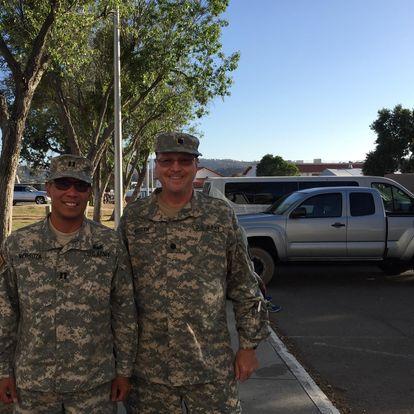
U.S. Army