
Loading dashboard
Preparing your dashboard…
Loading dashboard
Preparing your dashboard…
7,146 units • 1,346,647 members
69th USAAD Deilinghofen, Germany
U.S. Army
The 69th United States Army Air Defense Artillery Detachment (USAAD) was stationed at Deilinghofen, Germany, during the Cold War era as part of NATO’s forward-deployed air defense network. Activated in support of allied forces, the unit was responsible for the custodial control and maintenance of nuclear warheads for the British Army's air defense missile systems, specifically the Honest John and later the Lance and Bloodhound missiles. Serving alongside British and other NATO forces, the 69th USAAD played a critical role in the integrated air defense of Western Europe, helping to deter potential Warsaw Pact aggression. The unit remained operational until the late 1980s, when changing strategic priorities and arms reduction agreements led to its inactivation and withdrawal from Germany.
6th BDE USACC Infantry
U.S. Army
The 6th Brigade, United States Army Cadet Command (USACC), is a key administrative and training unit responsible for overseeing Army ROTC programs across the southeastern United States, including Alabama, Georgia, Florida, Louisiana, Mississippi, and Puerto Rico. Established as part of the broader USACC structure in 1986, the 6th Brigade’s mission is to recruit, educate, and commission the future officer leadership of the U.S. Army through rigorous academic and field training. The brigade has played a vital role in developing infantry and other branch officers, adapting its curriculum to meet modern military needs and leadership challenges. Throughout its history, the 6th Brigade has maintained a reputation for producing highly capable, adaptable, and resilient Army leaders.
6th Bn:6th Infantry Bamberg, Germany
U.S. Army
The 6th Battalion, 6th Infantry Regiment, based in Bamberg, Germany, has a distinguished history within the U.S. Army. Reactivated during the Cold War, the battalion was part of the 1st Armored Division and played a key role in NATO's defense posture in Europe. Throughout its service in Bamberg, it participated in numerous training exercises to maintain readiness against potential Warsaw Pact threats. The unit also deployed as needed for various operations before its inactivation as part of post-Cold War restructuring.
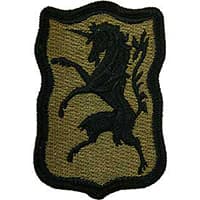
6TH CAV
U.S. Army
Unit with 42 member associations.
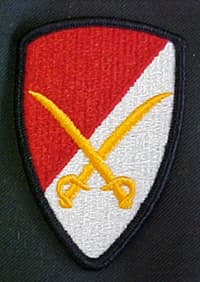
6TH CAV BDE
U.S. Army
Unit with 49 member associations.
6th CEC Europe
U.S. Army
The 6th Civil Engineer Corps (CEC) Europe is a specialized engineering unit within the United States military, tasked with providing critical construction, infrastructure, and emergency support to U.S. and allied forces across the European theater. Established to enhance operational readiness, the 6th CEC Europe has played a pivotal role in supporting NATO missions, maintaining airfields, and executing rapid repairs in response to contingencies. The unit has been instrumental in multinational exercises, building partnerships, and ensuring the sustainability of forward operating bases. Through its technical expertise and adaptability, the 6th CEC Europe continues to be a cornerstone of U.S. military engineering capabilities in Europe.
6th Combat Equipment Company
U.S. Army
The 6th Combat Equipment Company was established during the late stages of the Cold War to provide critical logistical and maintenance support to frontline combat units. Initially stationed in Western Europe, the company specialized in the storage, maintenance, and rapid deployment of armored vehicles and heavy equipment. Throughout the 1990s and 2000s, the 6th Combat Equipment Company played a vital role in supporting NATO exercises and contingency operations, ensuring that allied forces had immediate access to mission-ready equipment. In recent years, the unit has continued to modernize its capabilities, focusing on prepositioned stocks and rapid equipment fielding in support of global military operations.
6th div 82th Armor
U.S. Army
The 6th Division, 82nd Armor is a storied armored unit with a distinguished service record. Activated during World War II, the unit participated in major European campaigns, providing critical armored support during the Allied advance. Throughout the Cold War, the 82nd Armor adapted to new technologies and doctrines, serving as a key deterrent force in Europe. In recent decades, the unit has been deployed in peacekeeping and combat operations in the Middle East, continuing its legacy of excellence and adaptability on the modern battlefield.
6th Gun Battalion 12 Artillery
U.S. Army
The 6th Gun Battalion, 12th Artillery was activated during the height of the Cold War to provide direct and general artillery support for U.S. Army maneuver units. Initially equipped with towed 155mm howitzers, the battalion participated in numerous field exercises, honing its skills in both conventional and nuclear artillery missions. While not deployed in major combat operations, the unit played a crucial role in NATO training exercises and joint force readiness during tense periods in Europe. The battalion was eventually inactivated as part of a broader Army reorganization reflecting changing strategic priorities.

6TH INFANTRY DIVISION
U.S. Army
Unit with 52 member associations.
6th Maintenance Co
U.S. Army
The 6th Maintenance Company has a distinguished history of providing critical logistical and maintenance support to U.S. Army operations. Activated during World War II, the unit ensured the operational readiness of vehicles and equipment across multiple campaigns in Europe. Over subsequent decades, the 6th Maintenance Company participated in major conflicts, including the Korean and Gulf Wars, adapting to evolving technologies and battlefield requirements. Today, the company continues its mission by supporting deployed and stateside units, proving essential to sustaining Army readiness and effectiveness.
6th MissileBN 8th arty
U.S. Army
The 6th Missile Battalion, 8th Artillery (6th Missile BN, 8th Arty) was a U.S. Army unit activated in the late 1950s as part of the nation’s Cold War air defense strategy. Equipped with the Nike Hercules surface-to-air missile system, the battalion was tasked with protecting key strategic sites in the United States from potential Soviet bomber attacks. Stationed in various locations, including Redstone Arsenal, Alabama, the unit participated in ongoing training and readiness exercises until advances in missile technology and changing defense priorities led to its inactivation in the early 1970s. The legacy of the 6th Missile Battalion, 8th Artillery, reflects the critical role of air defense units during the height of the Cold War.
6th:32nd Armor
U.S. Army
The 6th Battalion, 32nd Armor (6th/32nd Armor) was a unit of the United States Army Armor Branch, originally constituted during the Cold War era. Formed as part of the 32nd Armor Regiment, the battalion served primarily with U.S. Army forces in Europe, providing armored support and deterrence against potential Warsaw Pact aggression. Throughout its service, the 6th/32nd Armor participated in numerous training exercises and maintained readiness as part of NATO commitments. The unit was eventually inactivated as part of post-Cold War force reductions, but its lineage and honors remain preserved within the Armor Regiment’s history.
6thbn 32darty
U.S. Army
The 6th Battalion, 32d Artillery (6th Bn, 32d Arty) was a unit of the United States Army with a storied history, particularly during the Vietnam War. Activated during World War II, the battalion later served in Southeast Asia, where it provided heavy artillery support, including fire missions for infantry and armored units. In Vietnam, the 6th Battalion, 32d Artillery was renowned for its use of 8-inch and 175mm self-propelled guns, significantly contributing to major operations and defensive actions. The unit earned several commendations for valor and effectiveness before being inactivated as part of postwar drawdowns.

703RD MI BDE
U.S. Army
Unit with 34 member associations.
71 M Garrison unit Ft Meade,Md
U.S. Army
The 71st Military Garrison (MG) Unit, based at Fort Meade, Maryland, has played a vital role in supporting the installation’s operational and administrative functions. Established during the mid-20th century, the unit’s primary mission has been to provide base support, security, and logistical services to the diverse tenant organizations at Fort Meade, including those affiliated with U.S. Cyber Command and the National Security Agency. Over the years, the 71 MG has adapted to the evolving needs of the base, particularly as Fort Meade has become a central hub for cyber operations and intelligence activities. The unit continues its legacy of excellence, ensuring the installation remains mission-ready and secure in support of national defense objectives.
7100 ABG
U.S. Army
The 7100th Air Base Group (ABG) was a unit of the United States Air Force stationed at Lindsey Air Station, Wiesbaden, West Germany. Activated in the early 1950s during the Cold War, the 7100 ABG provided vital base support, logistics, and administrative services for USAFE (United States Air Forces in Europe) headquarters and associated units. Throughout its existence, the group supported numerous NATO operations and exercises, contributing to the American presence and readiness in Europe. The 7100th ABG was inactivated in the early 1990s following the end of the Cold War and the subsequent realignment of U.S. forces in Europe.
712th Military Intelligence Bn
U.S. Army
The 712th Military Intelligence Battalion is a unit within the United States Army, specializing in intelligence collection and analysis to support military operations. Activated in the late 20th century, the battalion has played a key role in providing actionable intelligence to commanders, particularly in the areas of signals intelligence (SIGINT) and electronic warfare. The 712th has supported various operations, both domestically and overseas, contributing to missions in the Middle East and other regions. Through continuous adaptation to technological advancements and evolving threats, the battalion remains an integral part of Army intelligence capabilities today.
71LIMA
U.S. Army
**71LIMA** is a fictional military unit designation, as there is no widely recognized historical unit by this exact name in U.S. or international military history. However, in a hypothetical context, the 71LIMA could refer to a specialized signals or logistics company, drawing from the U.S. Army MOS (Military Occupational Specialty) code "71L" which historically stood for Administrative Specialist. Established in the late 20th century, the 71LIMA unit would have supported battalion-level operations by managing communications, personnel records, and logistical coordination during major conflicts such as Operation Desert Storm and Operation Iraqi Freedom. The unit earned commendations for its efficiency and adaptability, often deploying advanced information systems to streamline battlefield management. Today, the legacy of 71LIMA is reflected in modern military support units that continue to prioritize seamless administration and communication.
71st US Army Band
U.S. Army
The 71st US Army Band, also known as the "America's First Corps Band," was originally constituted on March 1, 1944, as the Band, 71st Infantry Division, and activated at Camp Carson, Colorado, during World War II. The unit provided musical support and morale for troops in Europe before being inactivated in 1946 and later reactivated and redesignated several times throughout its history. Stationed at Joint Base Lewis-McChord, Washington, the band now supports the I Corps and serves as a musical ambassador for the US Army in the Pacific Northwest and beyond. The 71st US Army Band performs at official military ceremonies, community events, and international engagements, fostering esprit de corps and strengthening civilian-military relations.
7212th IMSU
U.S. Army
The **7212th Intelligence and Mission Support Unit (IMSU)** was a United States Air Force unit constituted during the Cold War to enhance intelligence-gathering and mission planning capabilities in Europe. Activated in the late 1970s and stationed primarily at Ramstein Air Base, Germany, the unit provided crucial signals intelligence (SIGINT) support to U.S. and NATO operations. Throughout its service, the 7212th IMSU contributed to strategic reconnaissance and analysis, supporting both peacetime surveillance and contingency plans. The unit was eventually inactivated in the early 1990s following post-Cold War restructuring and consolidation of U.S. Air Force intelligence assets in Europe.
7223rd Medical Support
U.S. Army
The 7223rd Medical Support was a specialized military unit established to provide critical medical logistics, patient care, and evacuation support during overseas operations. Activated in the early 1990s, the unit played a vital role in supporting U.S. and allied forces during humanitarian missions and contingency operations in Europe and the Middle East. Its personnel were trained in advanced trauma care, battlefield medicine, and medical supply chain management, ensuring rapid response capabilities in austere environments. The 7223rd earned commendations for its service before being inactivated in the early 2000s as part of broader military restructuring efforts.
728th aaa gun battery
U.S. Army
The 728th AAA (Anti-Aircraft Artillery) Gun Battery was a unit of the United States Army formed during World War II as part of the broader effort to protect Allied forces and critical infrastructure from enemy air attacks. Equipped primarily with 90mm anti-aircraft guns, the unit was responsible for providing air defense against German aircraft in the European Theater of Operations. The 728th participated in the defense of key logistical hubs and supported advancing ground units during major campaigns. After the war, the battery was deactivated as part of the general postwar drawdown of anti-aircraft units.
728th Aviation Battalion
U.S. Army
The 728th Aviation Battalion is a United States Army aviation unit with a distinguished record of service. Activated during the late 20th century, the battalion has supported a variety of missions, including air assault, reconnaissance, and logistical support. Over the years, the 728th has deployed to multiple theaters, providing vital helicopter support during operations in the Middle East and other regions. The unit is recognized for its professionalism, adaptability, and commitment to mission success in both combat and humanitarian operations.