Over 3,064,780 active members

U.S. Army•1 members
Relive and share the memories of your service-time with your brothers and sisters in arms today. VetFriends.com can help you reconnect.
Did you proudly serve in the 6th MissileBN 8th arty?
Are you looking for someone who is or was in the 6th MissileBN 8th arty?
Do you have 6th MissileBN 8th arty photos you'd like to share?
Then join a community with your brothers and sisters of the 6th MissileBN 8th arty.
Branch
U.S. Army
Members
1
The 6th Missile Battalion, 8th Artillery (6th Missile BN, 8th Arty) was a U.S. Army unit activated in the late 1950s as part of the nation’s Cold War air defense strategy. Equipped with the Nike Hercules surface-to-air missile system, the battalion was tasked with protecting key strategic sites in the United States from potential Soviet bomber attacks. Stationed in various locations, including Redstone Arsenal, Alabama, the unit participated in ongoing training and readiness exercises until advances in missile technology and changing defense priorities led to its inactivation in the early 1970s. The legacy of the 6th Missile Battalion, 8th Artillery, reflects the critical role of air defense units during the height of the Cold War.
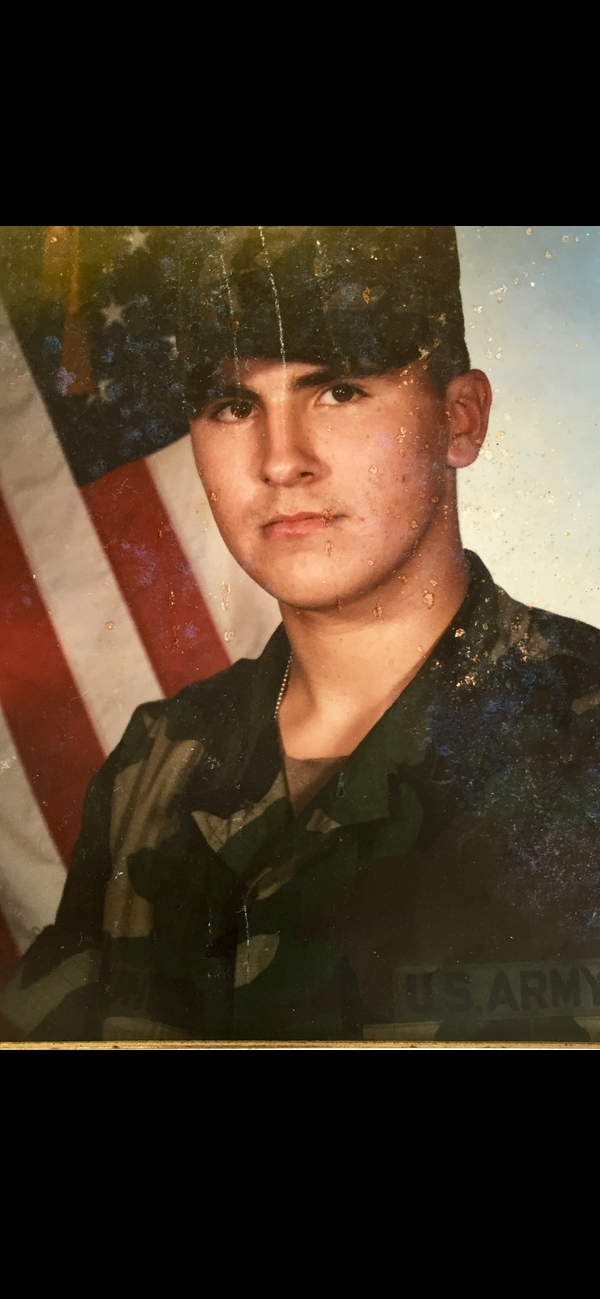
Company C 1st Bn. 38th Inf. Regt. • U.S. Army • 1989
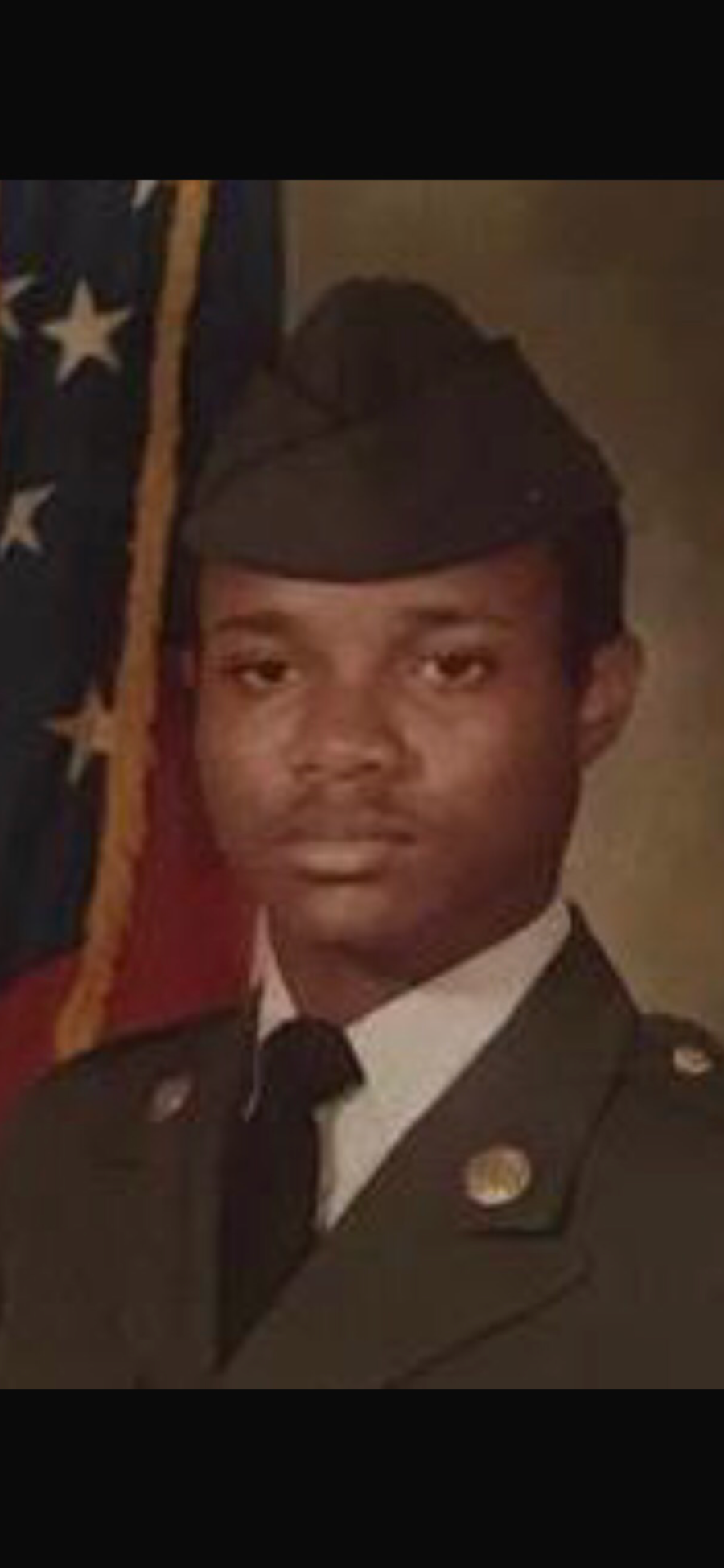
101st airborne division • U.S. Army

U.S. Army
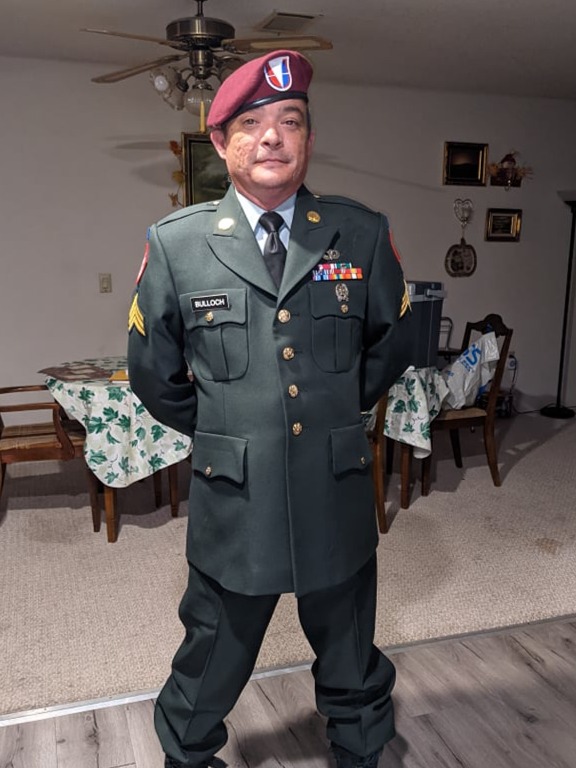
82nd Airborne • U.S. Army • 2018
