
Opening branch overview
Building the branch home surface
Loading branch highlights, featured unit context, and gallery moments.
Overview
Members
Units
Building the branch home surface
Loading branch highlights, featured unit context, and gallery moments.
Building the branch units surface
Loading unit filters, rankings, and the branch unit grid.

1 members•1 unit
Relive and share the memories of your service-time with your brothers and sisters in arms today. VetFriends.com can help you reconnect.
Did you proudly serve in the Enlisted Special Reconnaissance?
Are you looking for someone who is or was in the Enlisted Special Reconnaissance?
Do you have Enlisted Special Reconnaissance photos you'd like to share?
Then join a community with your brothers and sisters of the Enlisted Special Reconnaissance.
Branch
U.S. Air Force
Members
1
Enlisted Special Reconnaissance is a specialized military unit within the United States Air Force, established as part of the Special Warfare community. Originally known as Special Operations Weather Team (SOWT) members, their role evolved beyond meteorological support to encompass a broader range of reconnaissance and intelligence-gathering tasks in hostile environments. In 2019, the Air Force officially redesignated SOWT Airmen as Special Reconnaissance (SR), reflecting their expanded mission set, which includes surveillance, target acquisition, and environmental reconnaissance to support special operations missions. These highly trained enlisted Airmen operate alongside other special operations forces, providing critical information that enables mission planning and execution in complex operational theaters.
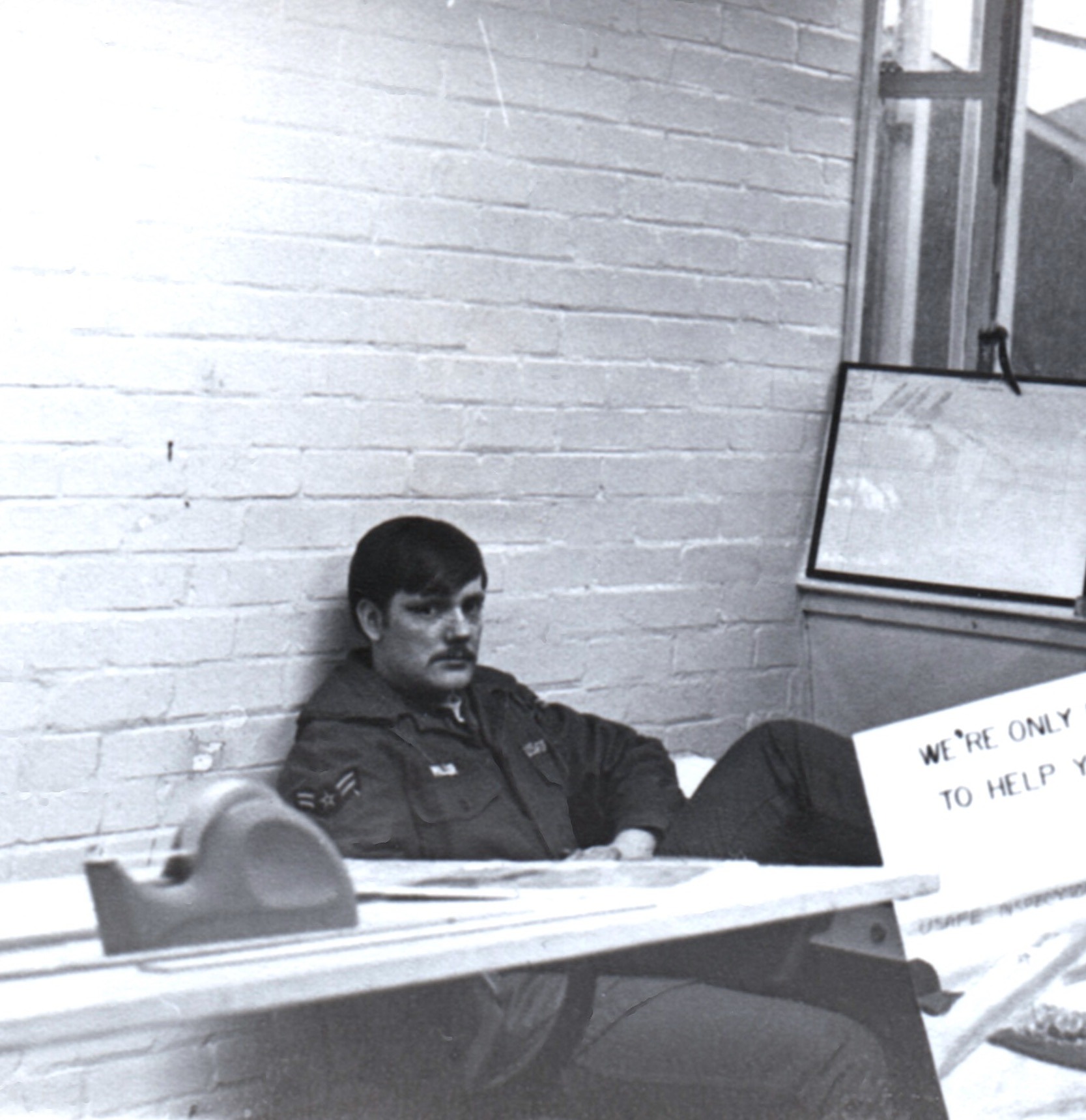
513 TACTICAL AIRLIFT WING • U.S. Air Force • 1967

U.S. Air Force • 2000
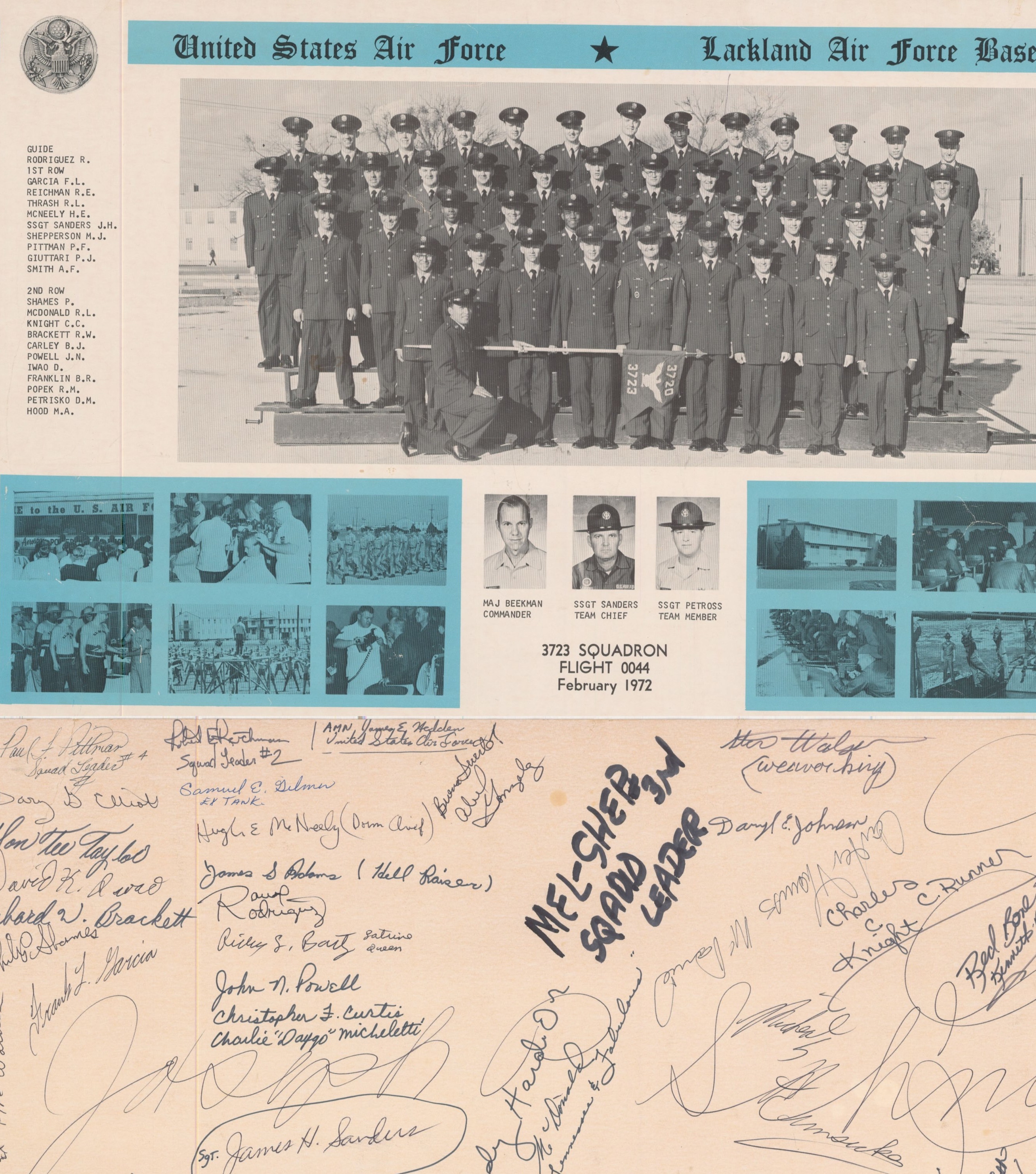
3723 Squadron/Flight 0044 • U.S. Air Force • 1972

U.S. Air Force