Over 3,064,780 active members
U.S. Army banner

Fort Belvoir, VA

U.S. Army60 members

Relive and share the memories of your service-time with your brothers and sisters in arms today. VetFriends.com can help you reconnect.

Did you proudly serve in the Fort Belvoir, VA?

Are you looking for someone who is or was in the Fort Belvoir, VA?

Do you have Fort Belvoir, VA photos you'd like to share?

Then join a community with your brothers and sisters of the Fort Belvoir, VA.

Branch

U.S. Army

Members

60

About Fort Belvoir, VA

Fort Belvoir, located in Fairfax County, Virginia, has played a pivotal role in U.S. military history since its establishment in 1917 as Camp A.A. Humphreys, a training site for Army engineers during World War I. Renamed Fort Belvoir in 1935, the installation evolved into a vital center for engineering, intelligence, and logistics operations. Over the decades, Fort Belvoir has hosted numerous major commands, including the U.S. Army Corps of Engineers and the Defense Logistics Agency. Today, it serves as a strategic administrative and support hub for multiple Department of Defense agencies, supporting a wide array of military missions both domestically and globally.

FS
Frank Stachowiak

U.S. Army (1970 - 2021)

Fort Belvoir, VAView Profile
JM
Jack Morris

U.S. Army (1988 - 1995)

Fort Belvoir, VAView Profile

Photos

Boot Camp

Boot Camp

Company C 1st Bn. 38th Inf. Regt. • U.S. Army • 1989
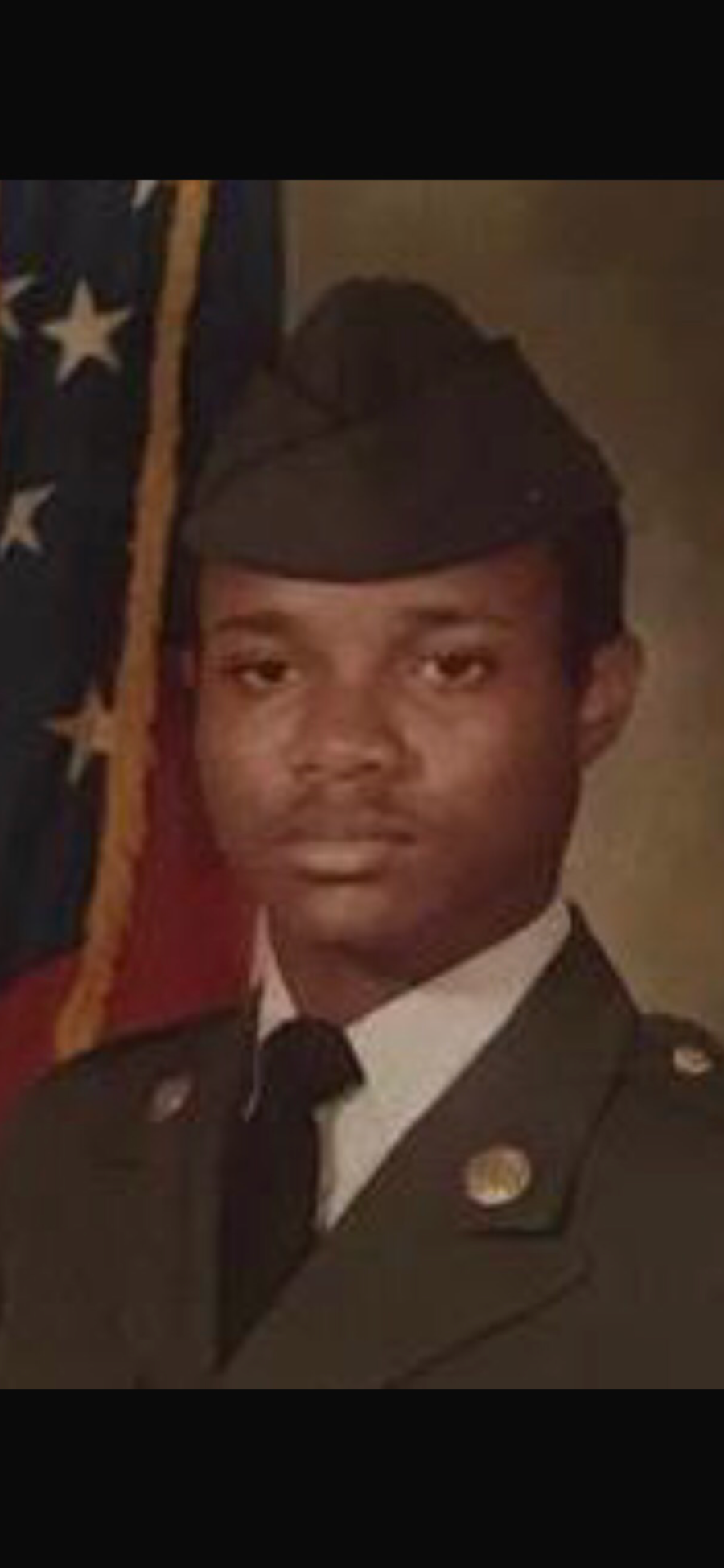
1980

1980

101st airborne division • U.S. Army

Gallery photo

U.S. Army

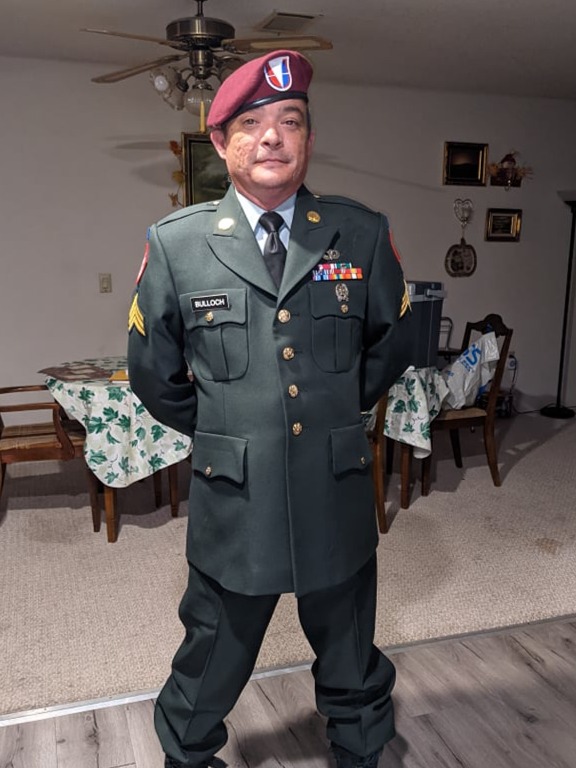
New uniform for wedding

New uniform for wedding

82nd Airborne • U.S. Army • 2018

About Fort Belvoir, VA

About this Unit

Fort Belvoir, located in Fairfax County, Virginia, has played a pivotal role in U.S. military history since its establishment in 1917 as Camp A.A. Humphreys, a training site for Army engineers during World War I. Renamed Fort Belvoir in 1935, the installation evolved into a vital center for engineering, intelligence, and logistics operations. Over the decades, Fort Belvoir has hosted numerous major commands, including the U.S. Army Corps of Engineers and the Defense Logistics Agency. Today, it serves as a strategic administrative and support hub for multiple Department of Defense agencies, supporting a wide array of military missions both domestically and globally.

Historical Facts

• Origins as Camp A.A. Humphreys: Fort Belvoir was originally established as Camp A.A. Humphreys in 1917, named after Civil War Union General Andrew A. Humphreys. It was created to train engineers during World War I. • Renamed in 1935: In 1935, the post was renamed Fort Belvoir, after the historic Belvoir plantation that once existed on the site, belonging to the Fairfax family in the 18th century. • Role in WWII: During World War II, Fort Belvoir served as the primary training center for the U.S. Army Corps of Engineers, training more than 140,000 troops. • Site of the Engineer School: The U.S. Army Engineer School was based at Fort Belvoir from 1918 until 1988, when it relocated to Fort Leonard Wood, Missouri. • Home to Multiple Agencies: Today, Fort Belvoir hosts over 145 mission partners and tenant agencies, including the Defense Logistics Agency, Defense Threat Reduction Agency, and the National Geospatial-Intelligence Agency. • Historic Belvoir Mansion Ruins: The ruins of the original Belvoir Mansion, which burned down in 1783, are preserved on the installation and are listed on the National Register of Historic Places. • Notable Residents: The Belvoir plantation was once home to Thomas Fairfax, 6th Lord Fairfax of Cameron, a prominent British peer and friend of George Washington. • Major BRAC Expansion: As part of the 2005 Base Realignment and Closure (BRAC), Fort Belvoir underwent massive expansion, making it one of the largest employers in Northern Virginia. • Mysterious Tunnels: Rumors persist about a network of secret underground tunnels beneath Fort Belvoir, allegedly used for training and secure movement during the Cold War. • Environmental Stewardship: Fort Belvoir manages over 8,600 acres, including wetlands, forests, and the Potomac River shoreline, making it a leader in environmental protection and archaeological preservation in the Army.