
Opening branch overview
Building the branch home surface
Loading branch highlights, featured unit context, and gallery moments.
Overview
Members
Units
Building the branch home surface
Loading branch highlights, featured unit context, and gallery moments.
Building the branch units surface
Loading unit filters, rankings, and the branch unit grid.

U.S. Space Force•2 members
Relive and share the memories of your service-time with your brothers and sisters in arms today. VetFriends.com can help you reconnect.
Did you proudly serve in the Tanks?
Are you looking for someone who is or was in the Tanks?
Do you have Tanks photos you'd like to share?
Then join a community with your brothers and sisters of the Tanks.
Tanks first appeared on the battlefield during World War I, introduced by the British in 1916 at the Battle of the Somme to break the stalemate of trench warfare. Their armored protection and ability to cross difficult terrain revolutionized ground combat, leading to rapid development and deployment by major powers. In World War II, tanks became central to military strategy, exemplified by the German Blitzkrieg tactics and massive armored battles like Kursk. Since then, tanks have continued to evolve, incorporating advanced armor, weaponry, and electronics, making them a crucial component of modern armored and mechanized units worldwide.

10th • U.S. Space Force • 1973
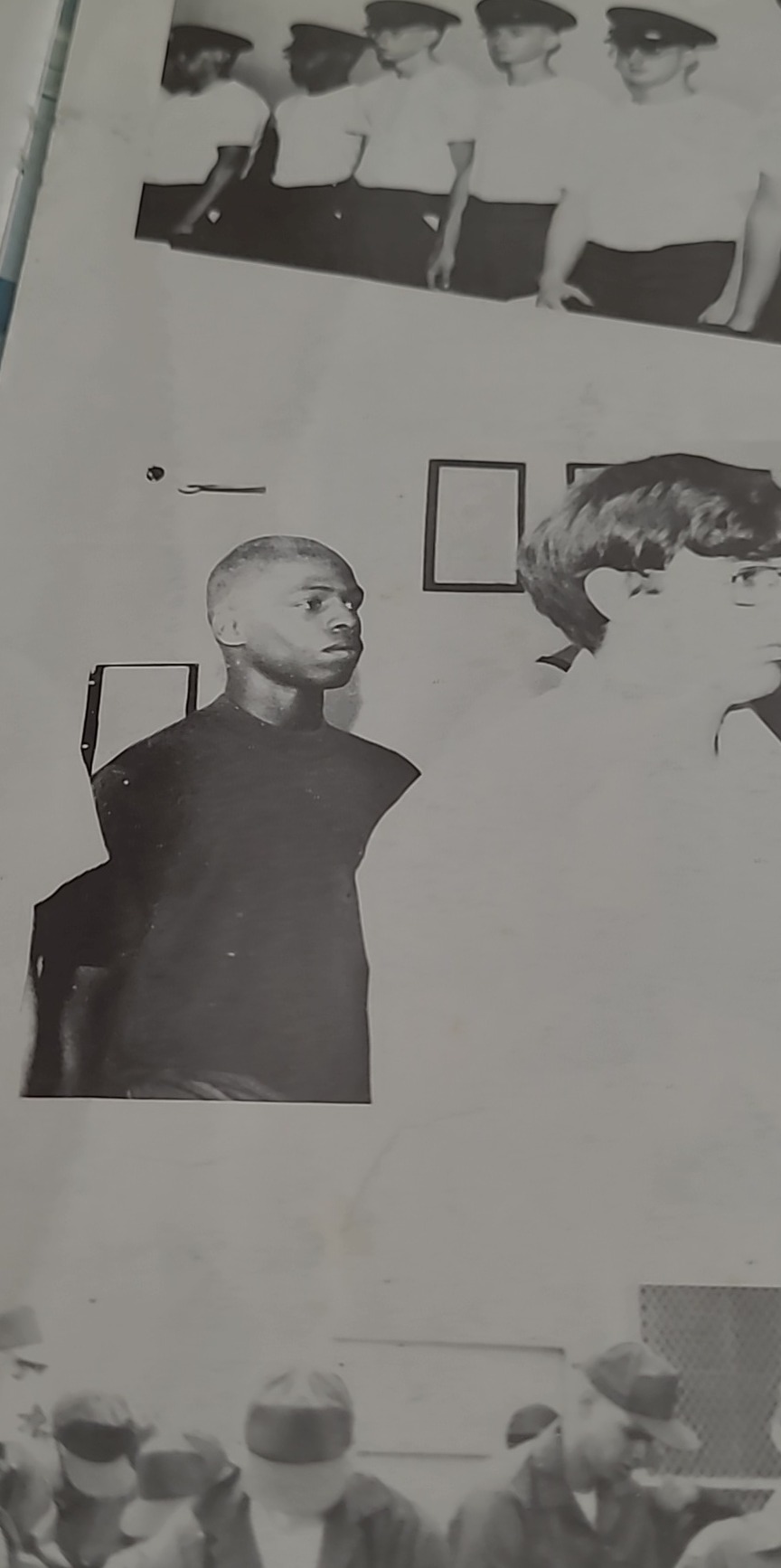
U.S. Space Force
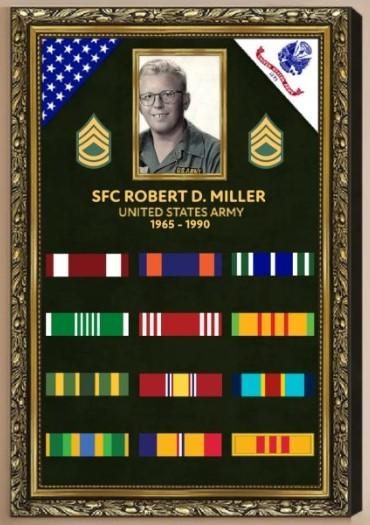
U.S. Space Force • 1966
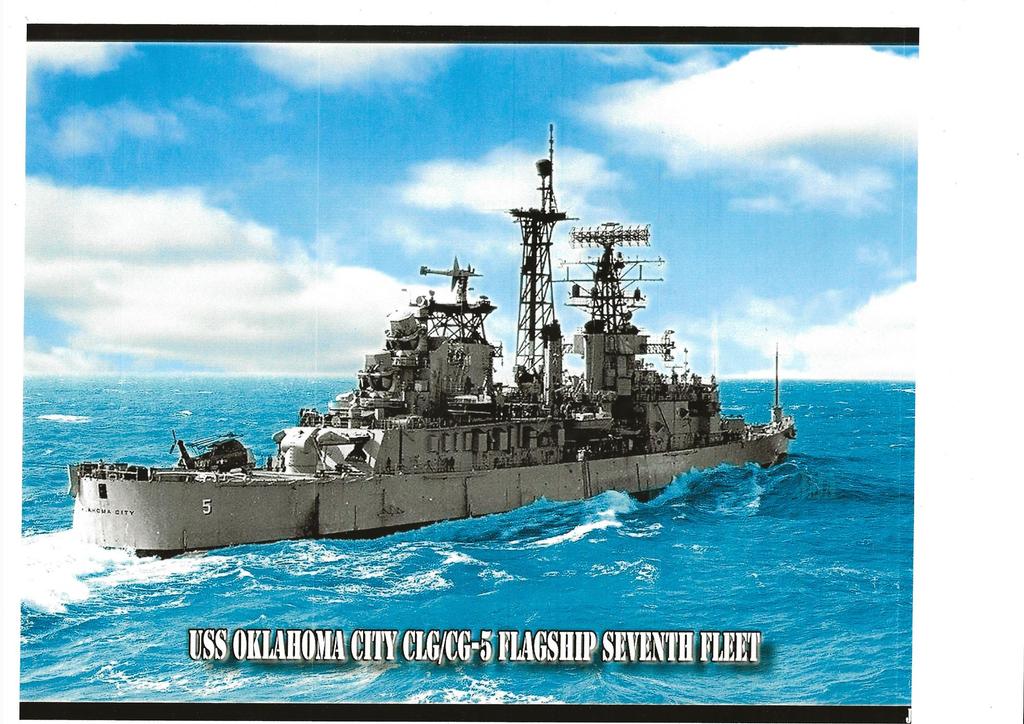
U.S. Space Force