
Opening branch overview
Building the branch home surface
Loading branch highlights, featured unit context, and gallery moments.
Overview
Members
Units
Building the branch home surface
Loading branch highlights, featured unit context, and gallery moments.
Building the branch units surface
Loading unit filters, rankings, and the branch unit grid.

10 members•1 unit
Relive and share the memories of your service-time with your brothers and sisters in arms today. VetFriends.com can help you reconnect.
Did you proudly serve in the Intelligence Specialist?
Are you looking for someone who is or was in the Intelligence Specialist?
Do you have Intelligence Specialist photos you'd like to share?
Then join a community with your brothers and sisters of the Intelligence Specialist.
Branch
U.S. Space Force
Members
10
The Intelligence Specialist (IS) rating was established in the United States Navy in 1975, consolidating various intelligence-related specialties into a single, focused occupation. IS personnel are responsible for collecting, analyzing, and disseminating intelligence information to support naval operations and national security objectives. Over the decades, Intelligence Specialists have played critical roles in major conflicts, including the Cold War, Gulf War, and Global War on Terrorism, providing vital intelligence that informs tactical and strategic decisions. Their duties have evolved with advances in technology, expanding from traditional map and photographic analysis to include cyber and electronic intelligence in modern warfare.

10th • U.S. Space Force • 1973
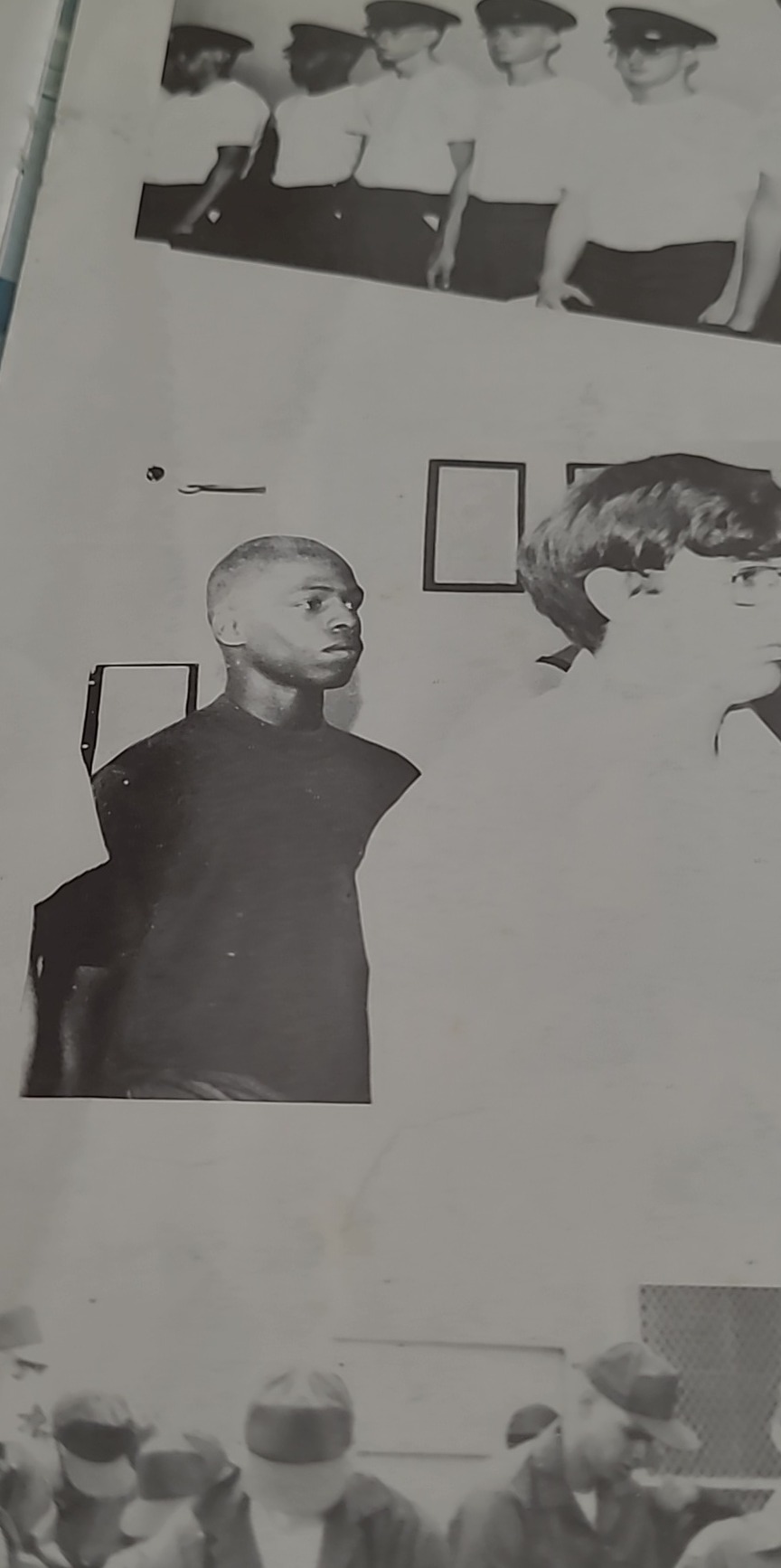
U.S. Space Force
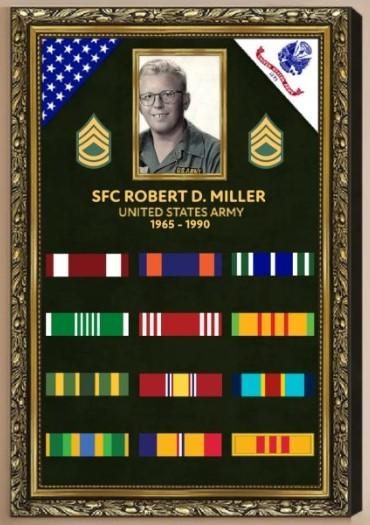
U.S. Space Force • 1966
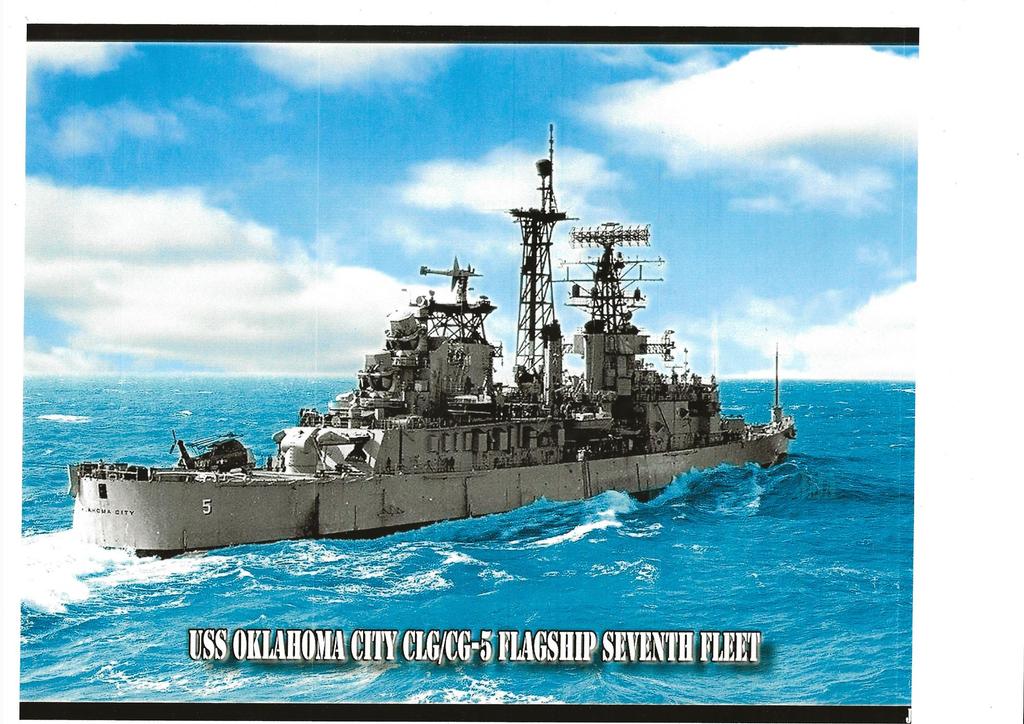
U.S. Space Force