
Opening branch overview
Building the branch home surface
Loading branch highlights, featured unit context, and gallery moments.
Overview
Members
Units
Building the branch home surface
Loading branch highlights, featured unit context, and gallery moments.
Building the branch units surface
Loading unit filters, rankings, and the branch unit grid.

3 members•1 unit
Relive and share the memories of your service-time with your brothers and sisters in arms today. VetFriends.com can help you reconnect.
Did you proudly serve in the YR-71?
Are you looking for someone who is or was in the YR-71?
Do you have YR-71 photos you'd like to share?
Then join a community with your brothers and sisters of the YR-71.
Branch
U.S. Navy
Members
3
**YR-71** is a designation typically associated with experimental reconnaissance aircraft, most notably the Lockheed YF-12 and its direct successor, the Lockheed YR-71, which later became the famous SR-71 Blackbird. Developed in the early 1960s by Lockheed's Skunk Works division under Clarence "Kelly" Johnson, the YR-71 was designed for high-speed, high-altitude strategic reconnaissance missions during the height of the Cold War. The prototype YR-71 conducted test flights that validated the aircraft’s extraordinary capabilities, including speeds exceeding Mach 3 and the ability to operate at altitudes above 80,000 feet, making it virtually invulnerable to enemy air defenses of the era. These test flights and early operational missions paved the way for the SR-71 to enter service in 1966, where it played a crucial role in intelligence gathering for the United States Air Force until its retirement.

U.S. Navy

U.S. Navy

U.S. Navy
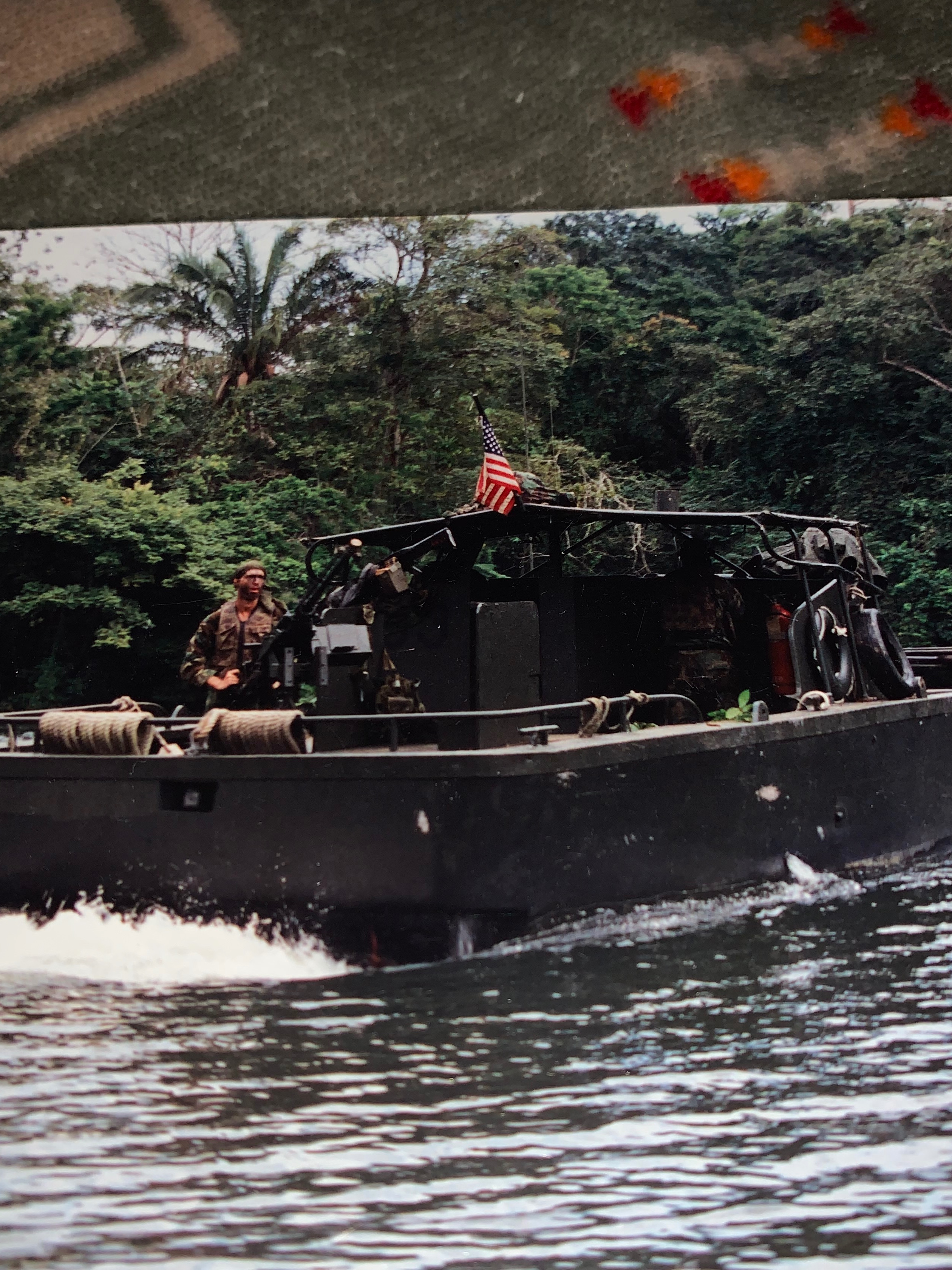
U.S. Navy