
Opening branch overview
Building the branch home surface
Loading branch highlights, featured unit context, and gallery moments.
Overview
Members
Units
Building the branch home surface
Loading branch highlights, featured unit context, and gallery moments.
Building the branch units surface
Loading unit filters, rankings, and the branch unit grid.

1 members•1 unit
Relive and share the memories of your service-time with your brothers and sisters in arms today. VetFriends.com can help you reconnect.
Did you proudly serve in the YFU-52?
Are you looking for someone who is or was in the YFU-52?
Do you have YFU-52 photos you'd like to share?
Then join a community with your brothers and sisters of the YFU-52.
Branch
U.S. Navy
Members
1
YFU-52 was a United States Navy harbor utility craft, specifically a Yard Freight Utility (YFU) vessel, commissioned during the Vietnam War era. These vessels were primarily used for logistical support, transporting cargo, vehicles, and personnel between larger ships and shore installations in contested and dangerous waters. YFU-52 played a crucial role in supporting U.S. and allied operations in the rivers and coastal areas of South Vietnam, often operating under threat from enemy fire. On January 19, 1968, YFU-52 was sunk by enemy action near the Cua Viet River, resulting in the loss of several crew members and marking one of the most significant losses of a Navy utility craft during the conflict.
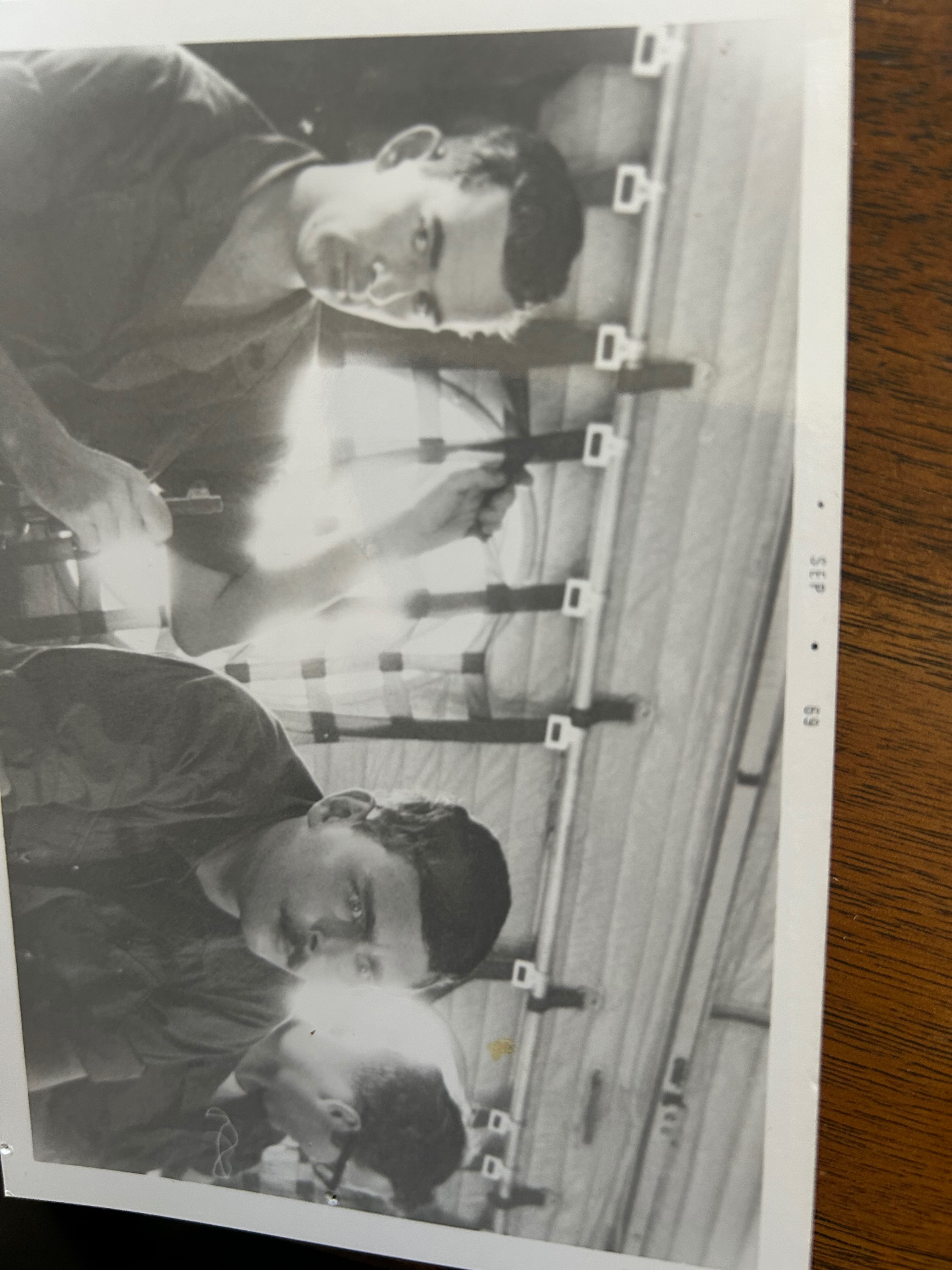
MILPHAP N-4 • U.S. Navy • 1968
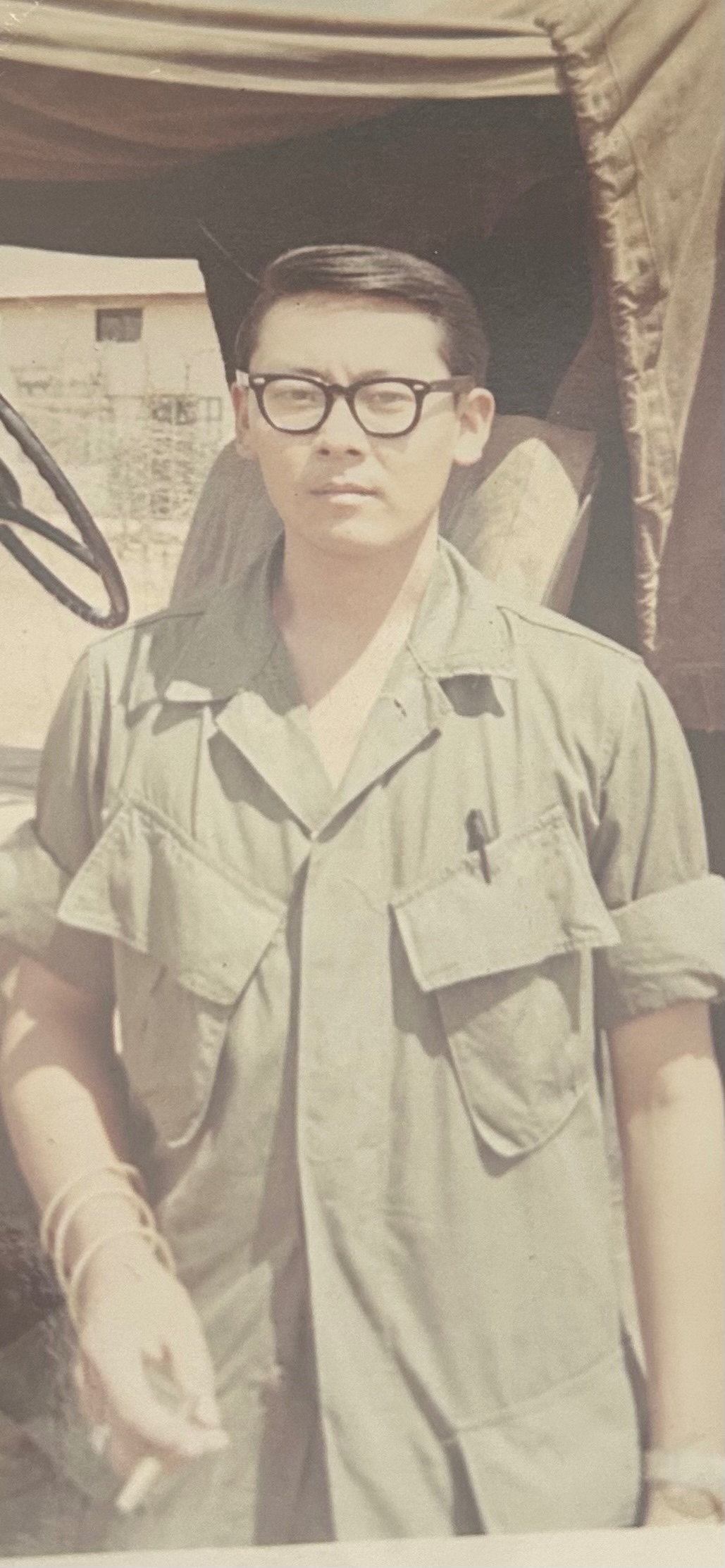
MILPHAP N-4 • U.S. Navy • 1968
U.S. Navy • 1968
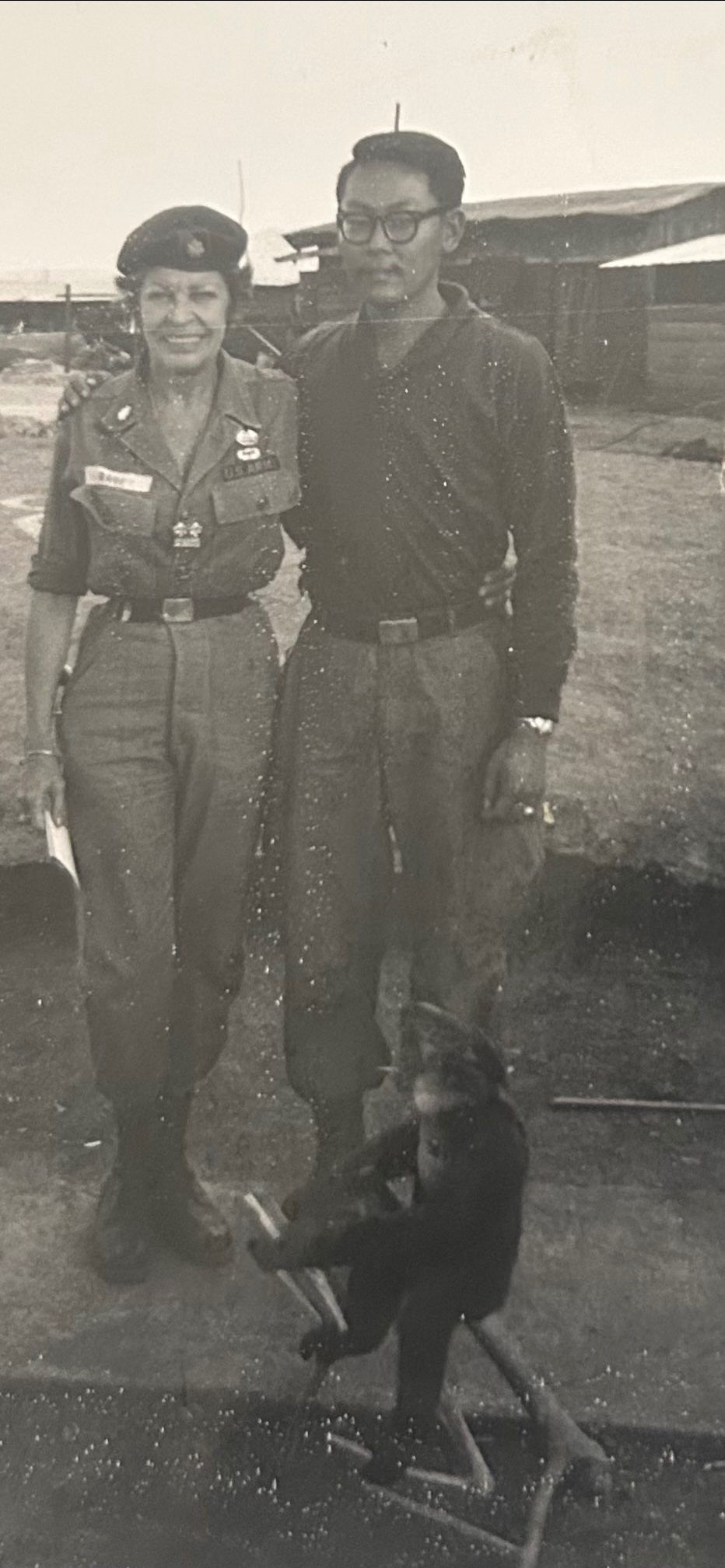
U.S. Navy • 1968