
Opening branch overview
Building the branch home surface
Loading branch highlights, featured unit context, and gallery moments.
Overview
Members
Units
Building the branch home surface
Loading branch highlights, featured unit context, and gallery moments.
Building the branch units surface
Loading unit filters, rankings, and the branch unit grid.
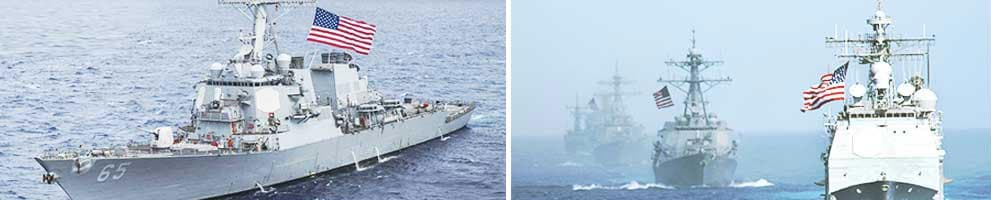
37 members•1 unit
Relive and share the memories of your service-time with your brothers and sisters in arms today. VetFriends.com can help you reconnect.
Did you proudly serve in the Weather man?
Are you looking for someone who is or was in the Weather man?
Do you have Weather man photos you'd like to share?
Then join a community with your brothers and sisters of the Weather man.
Branch
U.S. Navy
Members
37
**Weather Man** was not a traditional military unit but rather the codename for the Weather Underground Organization (WUO), a radical left-wing group active in the United States from 1969 to the late 1970s. Emerging from the anti-Vietnam War and civil rights movements, the Weather Underground advocated for the overthrow of the U.S. government and engaged in direct action, including bombings of government buildings to protest U.S. policies. While not officially aligned with any military, members operated clandestinely and adopted cell-based structures similar to guerrilla organizations. Their most significant activities included bombings at the U.S. Capitol, Pentagon, and the State Department, aiming to draw attention to social injustices and U.S. foreign policy.

U.S. Navy
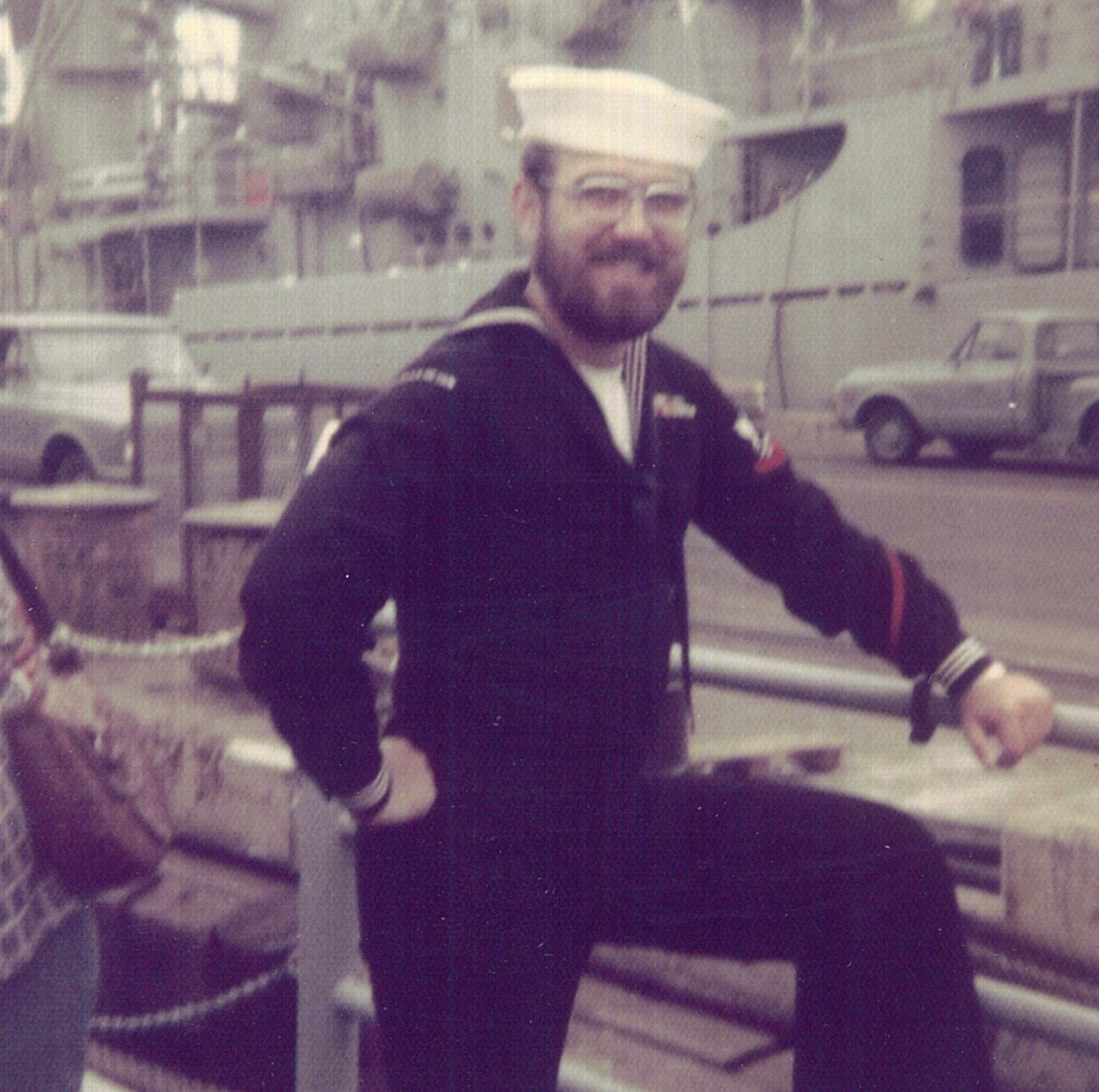
U.S. Navy
U.S. Navy • 2015
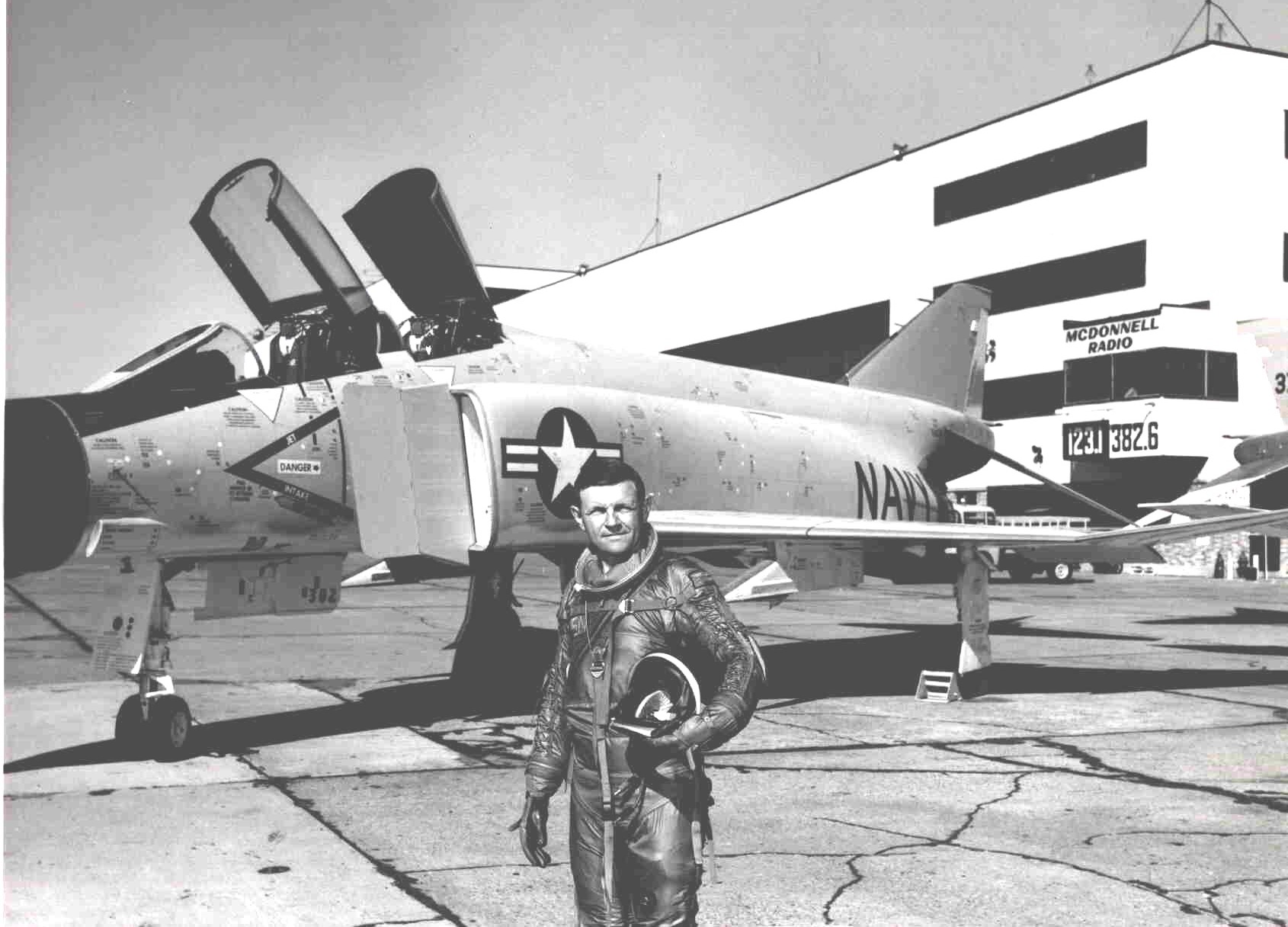
U.S. Navy • 1962