
Opening branch overview
Building the branch home surface
Loading branch highlights, featured unit context, and gallery moments.
Overview
Members
Units
Building the branch home surface
Loading branch highlights, featured unit context, and gallery moments.
Building the branch units surface
Loading unit filters, rankings, and the branch unit grid.
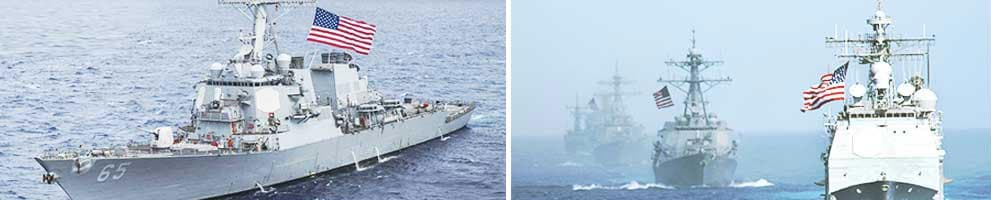
37 members•1 unit
Relive and share the memories of your service-time with your brothers and sisters in arms today. VetFriends.com can help you reconnect.
Did you proudly serve in the Weapons Systems Test (WST)?
Are you looking for someone who is or was in the Weapons Systems Test (WST)?
Do you have Weapons Systems Test (WST) photos you'd like to share?
Then join a community with your brothers and sisters of the Weapons Systems Test (WST).
Branch
U.S. Navy
Members
37
The Weapons Systems Test (WST) unit was established in the mid-20th century to support the evaluation and fielding of advanced weaponry for the armed forces. Initially focused on testing new artillery and missile systems, WST expanded its mission over the decades to include a broad range of platforms, such as aircraft, unmanned systems, and electronic warfare technologies. The unit has played a pivotal role in validating the combat effectiveness and reliability of the nation's most critical defense assets through rigorous field and laboratory testing. Today, WST continues to provide cutting-edge expertise in weapons evaluation, ensuring that military forces maintain a technological edge on the modern battlefield.

U.S. Navy
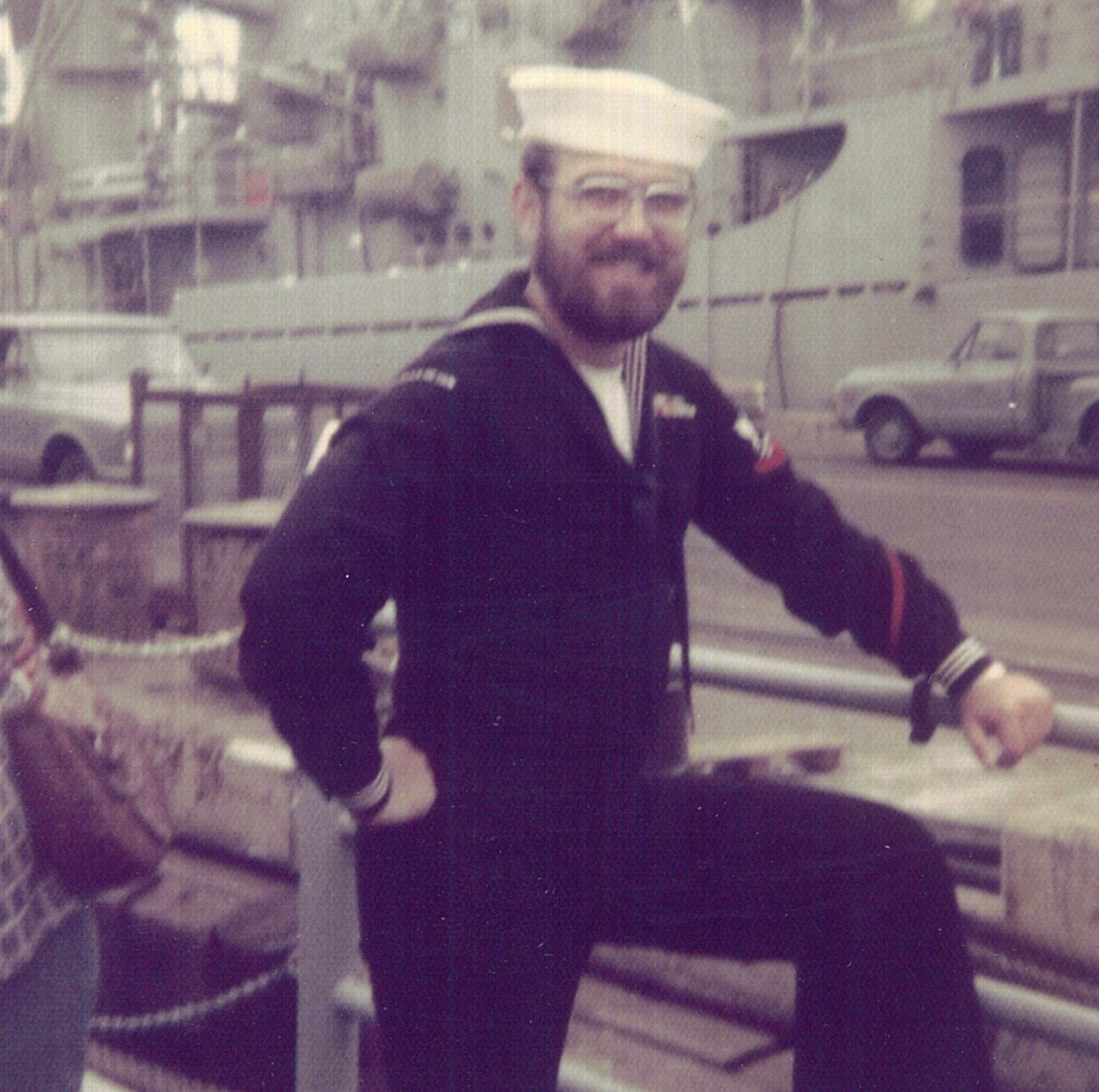
U.S. Navy
U.S. Navy • 2015
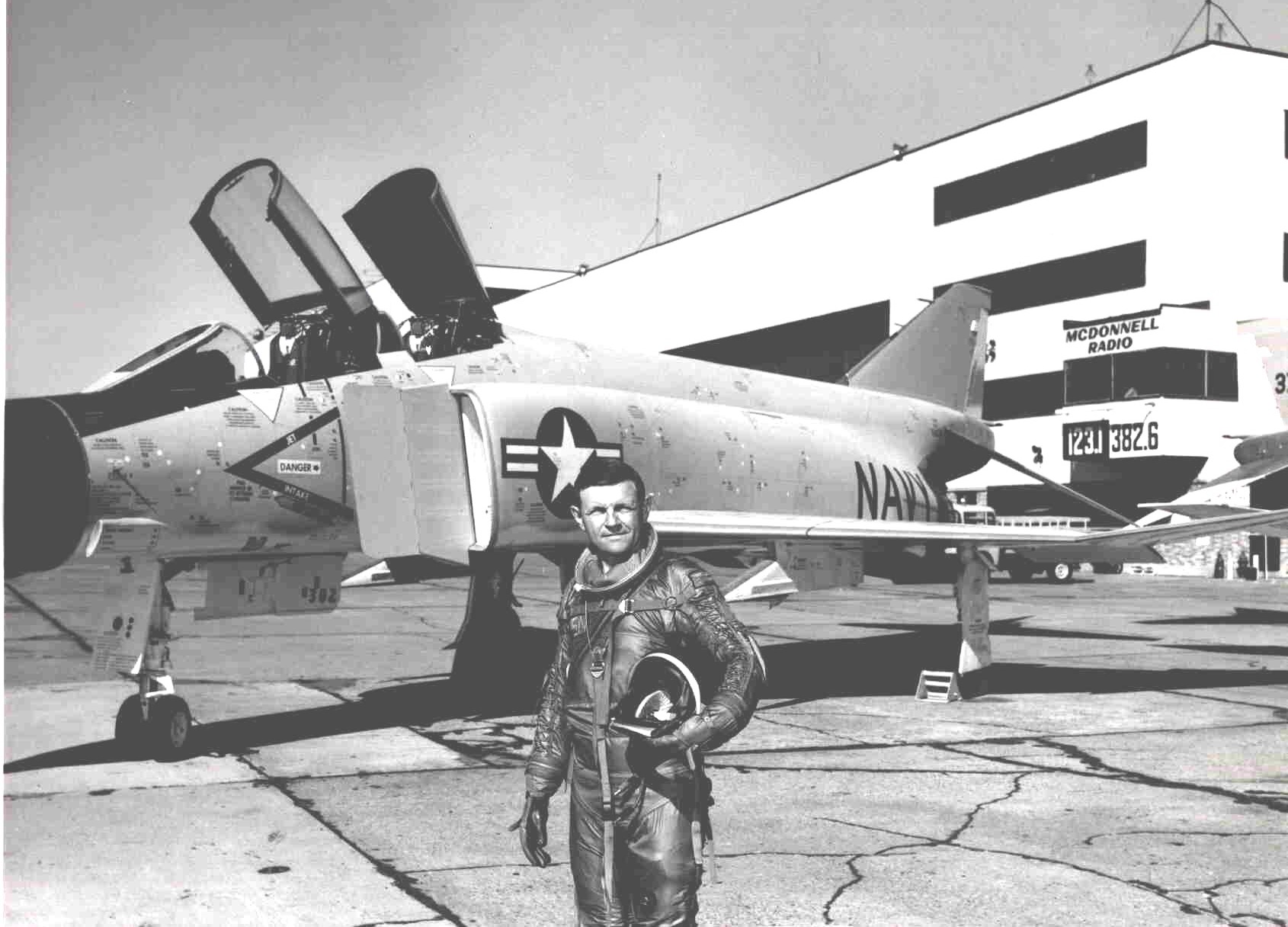
U.S. Navy • 1962