
Opening branch overview
Building the branch home surface
Loading branch highlights, featured unit context, and gallery moments.
Overview
Members
Units
Building the branch home surface
Loading branch highlights, featured unit context, and gallery moments.
Building the branch units surface
Loading unit filters, rankings, and the branch unit grid.

U.S. Navy•17 members
Relive and share the memories of your service-time with your brothers and sisters in arms today. VetFriends.com can help you reconnect.
Did you proudly serve in the VXE-6?
Are you looking for someone who is or was in the VXE-6?
Do you have VXE-6 photos you'd like to share?
Then join a community with your brothers and sisters of the VXE-6.
Air Development Squadron Six (VXE-6), known as the "Puckered Penguins," was a United States Navy aviation unit established in 1955. Its primary mission was to provide air support for Operation Deep Freeze, the U.S. military’s logistical support of Antarctic research and exploration. VXE-6 operated a variety of aircraft, including ski-equipped LC-130 Hercules and helicopters, enabling transport of personnel, supplies, and scientists to remote Antarctic stations. The squadron played a crucial role in the success of Antarctic exploration until its deactivation in 1999, after which its mission was transferred to civilian contractors.
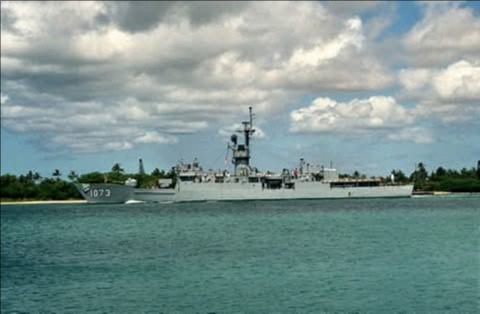
U.S. Navy
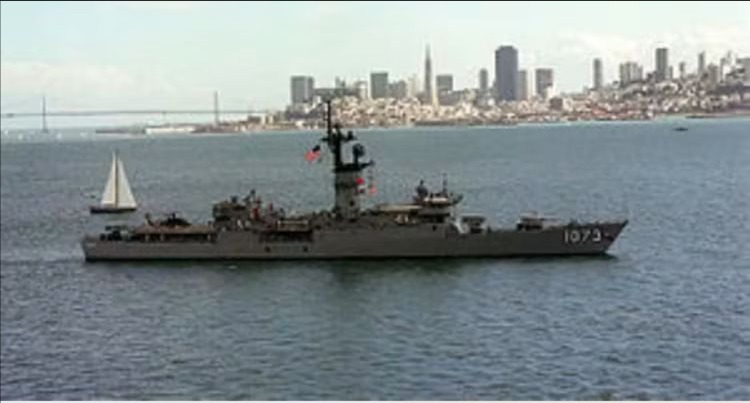
U.S. Navy
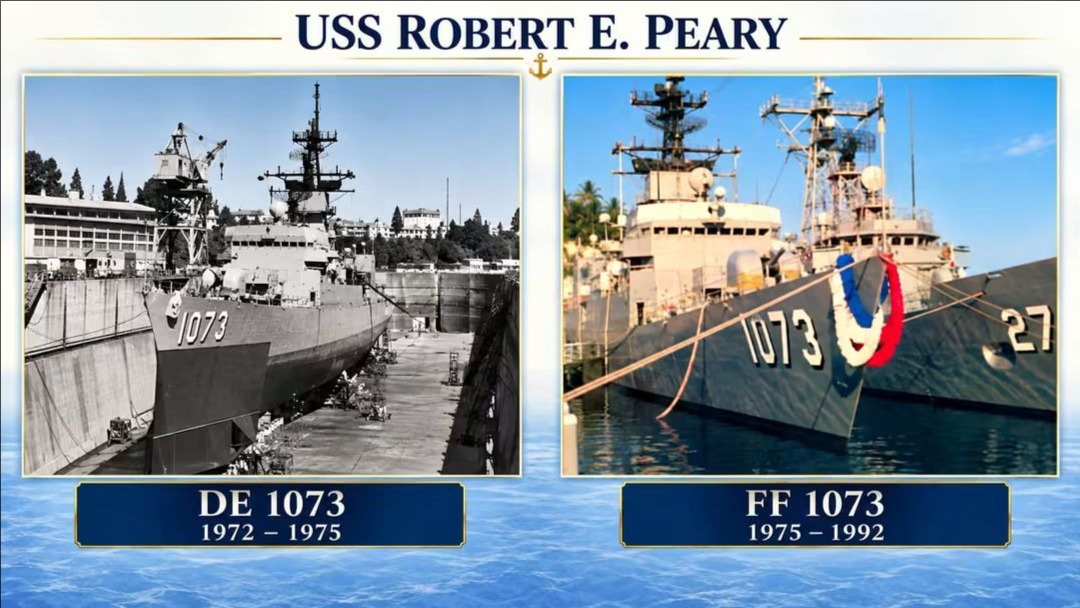
U.S. Navy
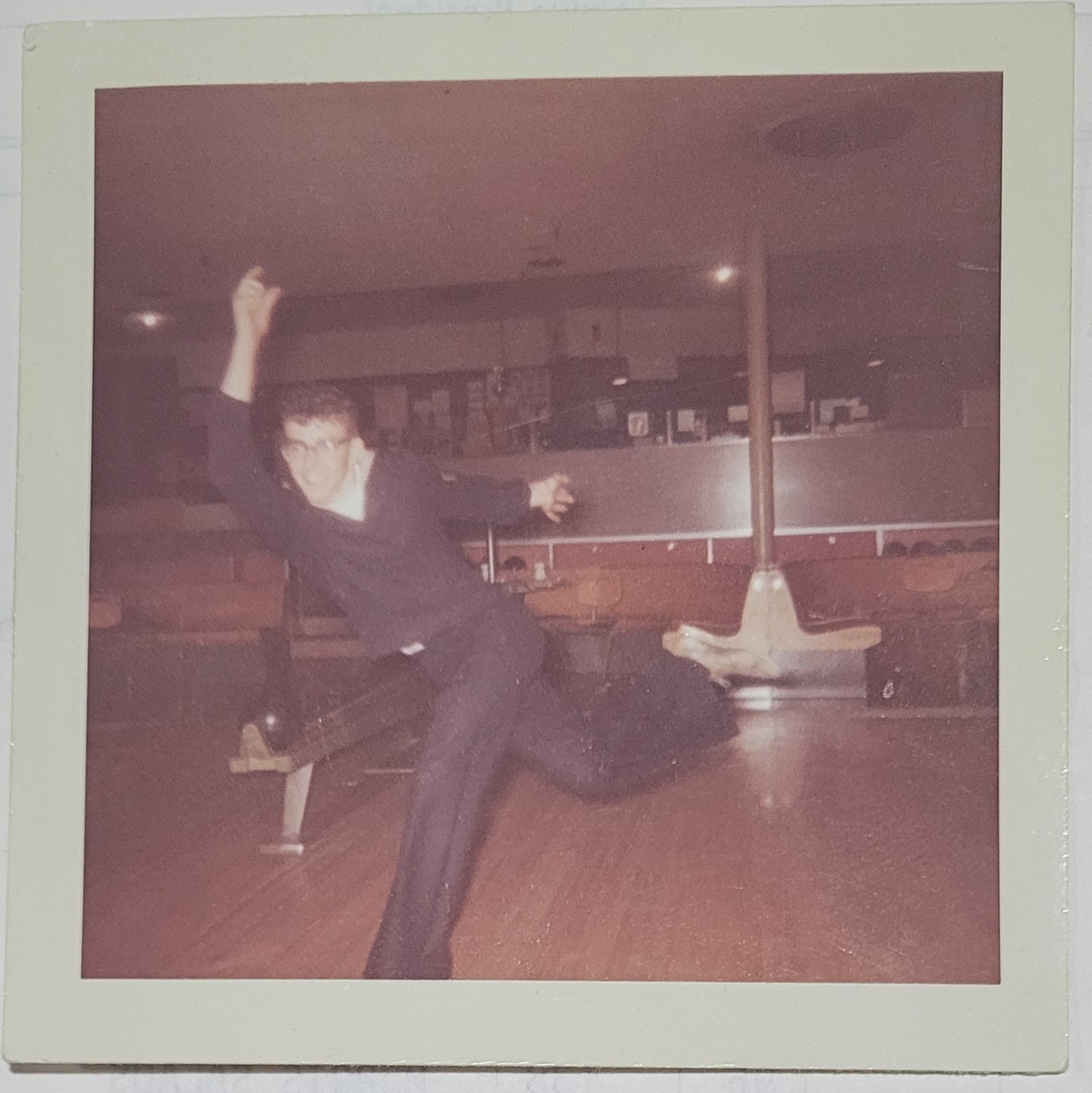
USS Valley Forge LPH-8 • U.S. Navy • 1964