
Opening branch overview
Building the branch home surface
Loading branch highlights, featured unit context, and gallery moments.
Overview
Members
Units
Building the branch home surface
Loading branch highlights, featured unit context, and gallery moments.
Building the branch units surface
Loading unit filters, rankings, and the branch unit grid.

U.S. Navy•16 members
Relive and share the memories of your service-time with your brothers and sisters in arms today. VetFriends.com can help you reconnect.
Did you proudly serve in the VX-5?
Are you looking for someone who is or was in the VX-5?
Do you have VX-5 photos you'd like to share?
Then join a community with your brothers and sisters of the VX-5.
Air Development Squadron Five (VX-5), known as the "Vampires," was established by the U.S. Navy on 18 June 1951 at Naval Air Station Moffett Field, California. Its primary mission was to conduct operational testing and evaluation of naval aviation weapons and tactics, ensuring new systems were effective and reliable for fleet use. In 1956, VX-5 relocated to Naval Air Weapons Station China Lake, California, where it played a crucial role in the development of advanced weapons systems, including air-to-ground ordnance and electronic warfare tools. The squadron remained at the forefront of naval aviation innovation until 1993, when it merged with VX-4 to form Air Test and Evaluation Squadron Nine (VX-9).
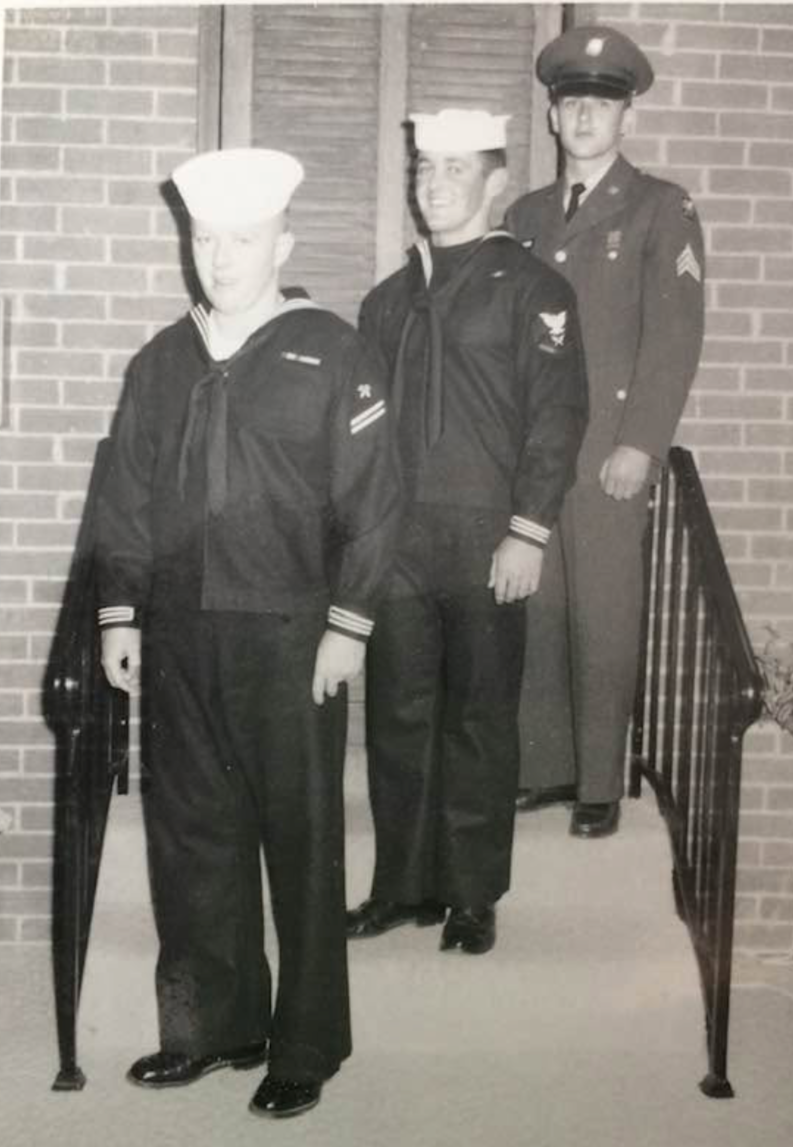
U.S. Navy • 1967
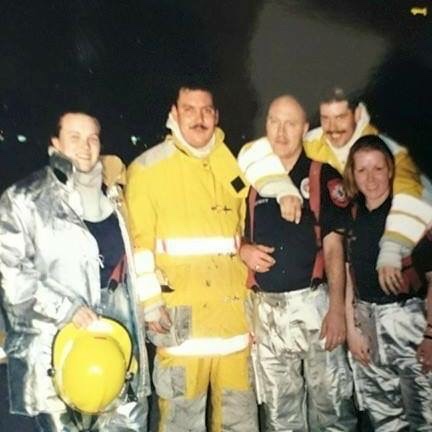
U.S. Navy
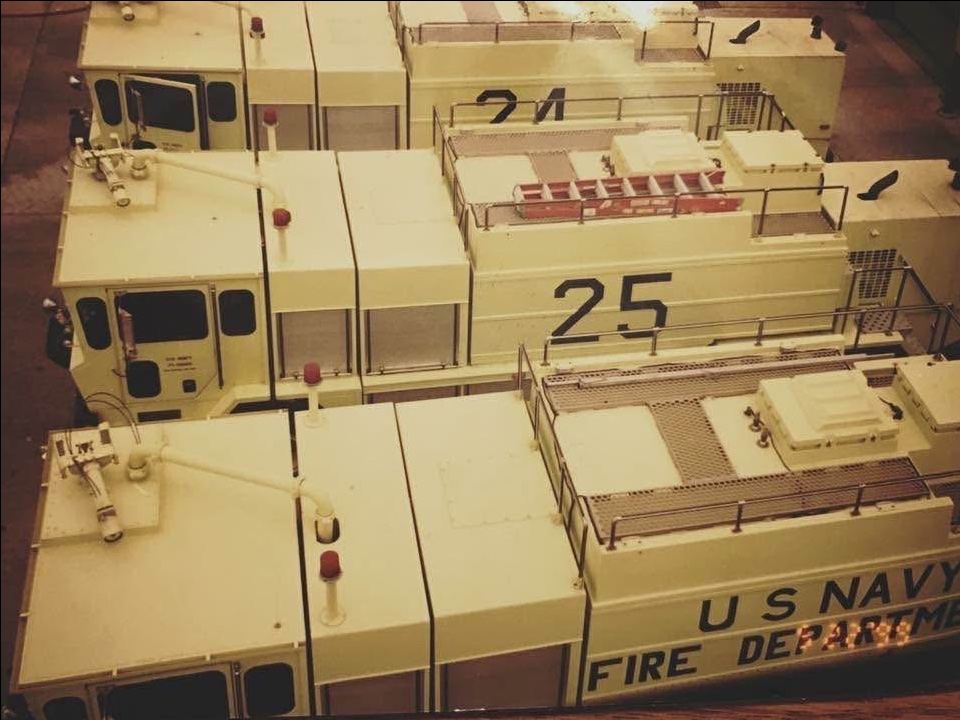
U.S. Navy
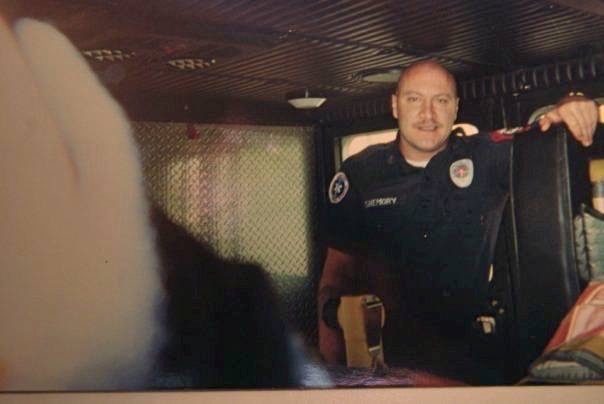
U.S. Navy