
Opening branch overview
Building the branch home surface
Loading branch highlights, featured unit context, and gallery moments.
Overview
Members
Units
Building the branch home surface
Loading branch highlights, featured unit context, and gallery moments.
Building the branch units surface
Loading unit filters, rankings, and the branch unit grid.

U.S. Navy•22 members
Relive and share the memories of your service-time with your brothers and sisters in arms today. VetFriends.com can help you reconnect.
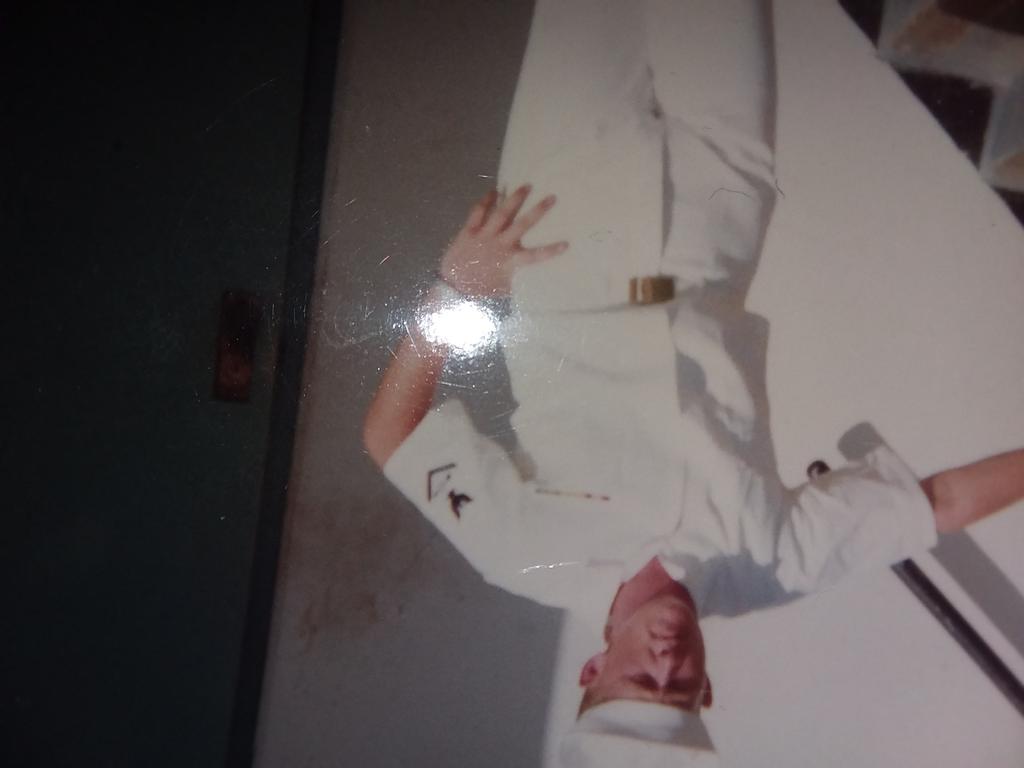
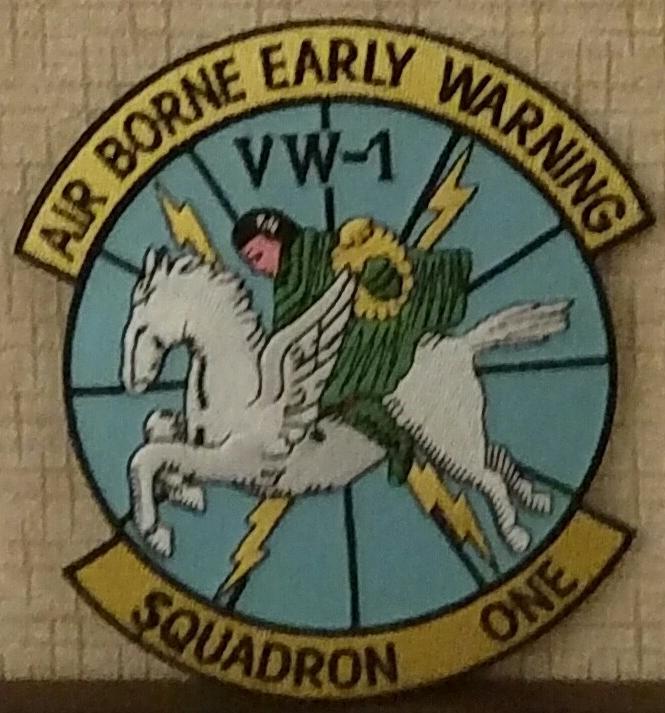
Did you proudly serve in the VW-1?
Are you looking for someone who is or was in the VW-1?
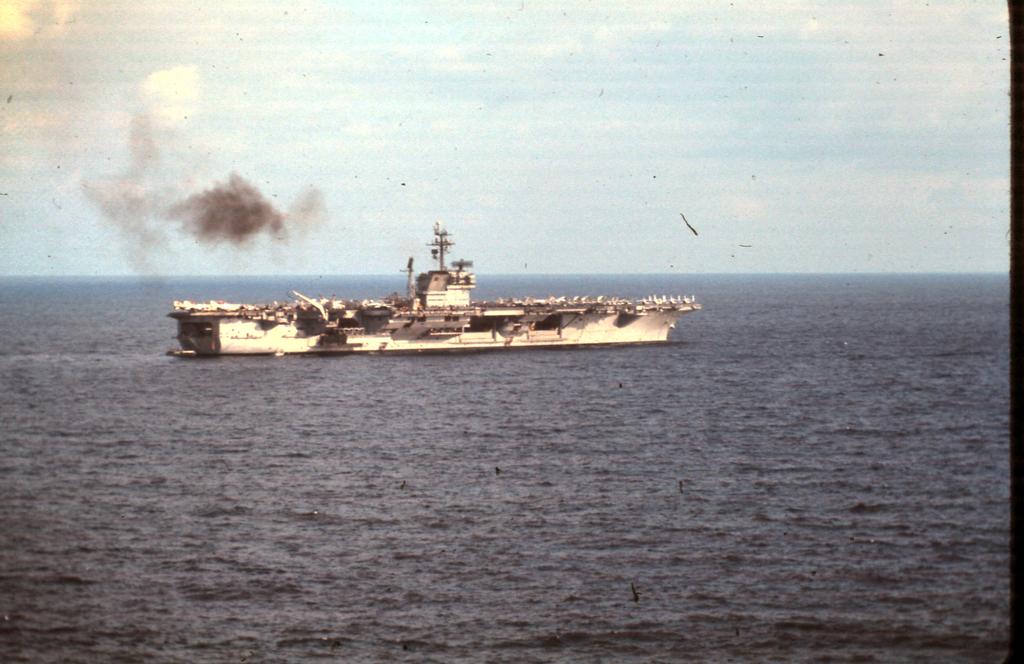
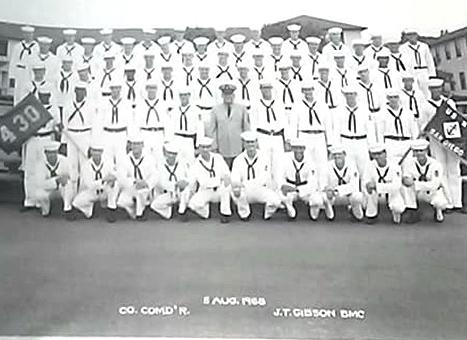
Do you have VW-1 photos you'd like to share?
Then join a community with your brothers and sisters of the VW-1.
VW-1, also known as Weather Squadron One or the "Typhoon Trackers," was a U.S. Navy Airborne Early Warning Squadron established in 1952. Initially based at NAS Barbers Point, Hawaii, VW-1 operated specialized aircraft such as the Lockheed WV-2 (EC-121 Warning Star) to conduct weather reconnaissance and early warning missions, particularly tracking typhoons across the Pacific Ocean. The squadron played a vital role during the Cold War, providing crucial meteorological data and supporting both military and humanitarian operations. VW-1 was decommissioned in 1971, marking the end of an era in naval aerial weather reconnaissance.
U.S. Navy
U.S. Navy
U.S. Navy
U.S. Navy