
Opening branch overview
Building the branch home surface
Loading branch highlights, featured unit context, and gallery moments.
Overview
Members
Units
Building the branch home surface
Loading branch highlights, featured unit context, and gallery moments.
Building the branch units surface
Loading unit filters, rankings, and the branch unit grid.

9 members•1 unit
Relive and share the memories of your service-time with your brothers and sisters in arms today. VetFriends.com can help you reconnect.
Did you proudly serve in the VU-7?
Are you looking for someone who is or was in the VU-7?
Do you have VU-7 photos you'd like to share?
Then join a community with your brothers and sisters of the VU-7.
Branch
U.S. Navy
Members
9
VU-7, known as Utility Squadron Seven, was a United States Navy utility squadron established during World War II. The squadron was primarily tasked with providing target towing, radar calibration, and other utility services to fleet units, supporting both training and operational readiness. Stationed at various locations over its service life, including Naval Air Station Barbers Point in Hawaii, VU-7 operated a variety of aircraft such as the JD-1 Invader and the F6F Hellcat. The unit played a crucial behind-the-scenes role in preparing naval aviators and fleet units for combat operations before its eventual disestablishment in the late 1950s.
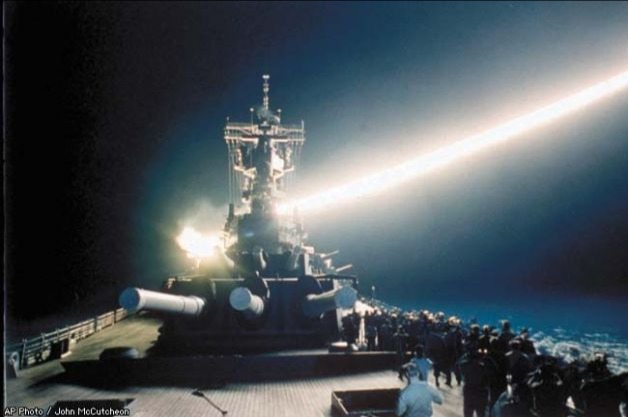
U.S. Navy • 1991
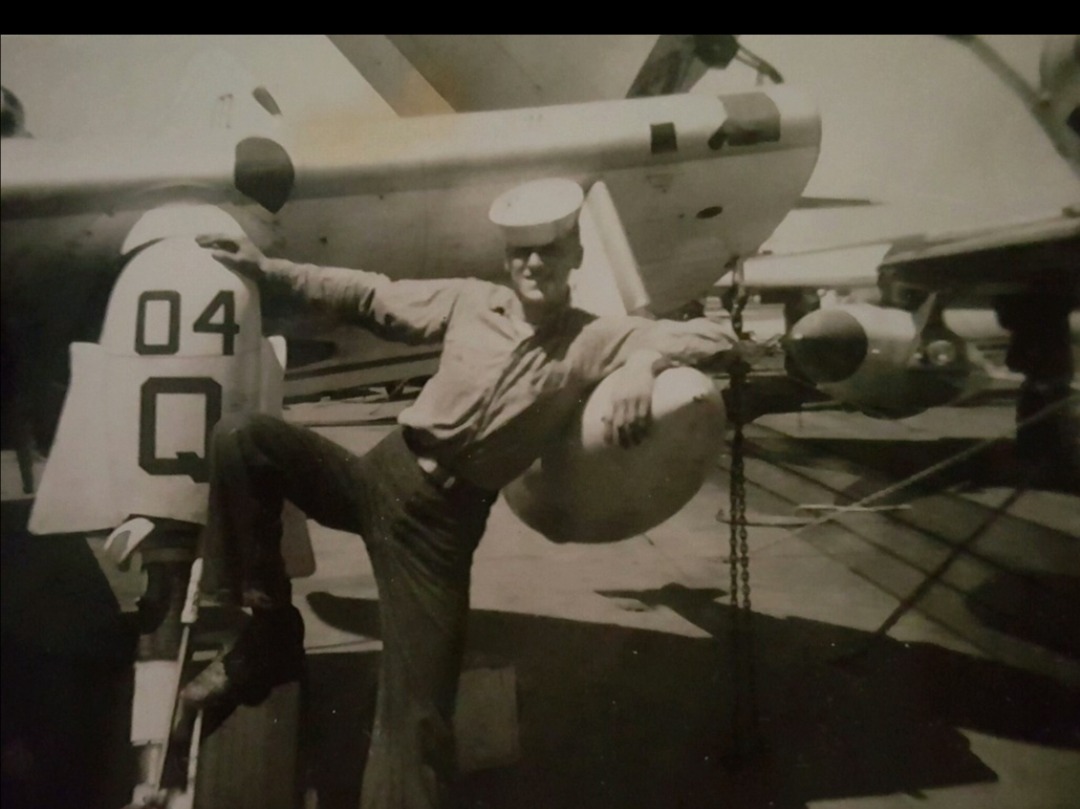
U.S. Navy
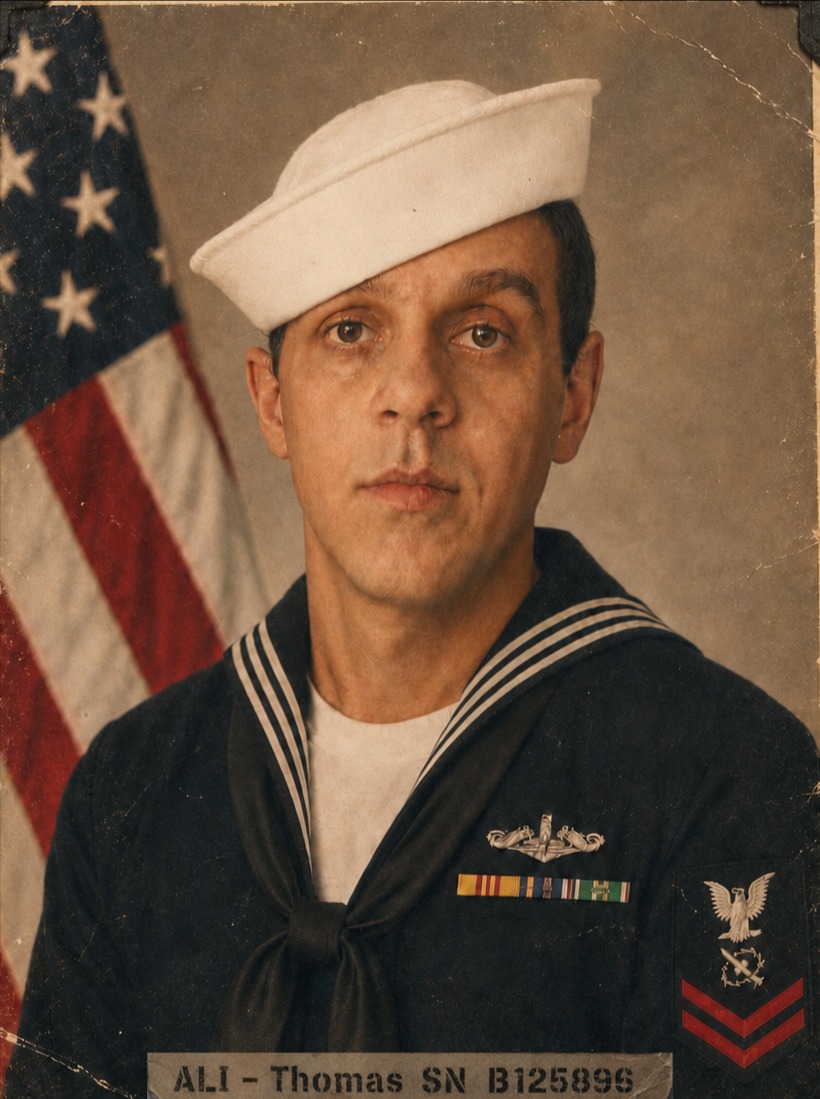
WEAPONS • U.S. Navy • 1968
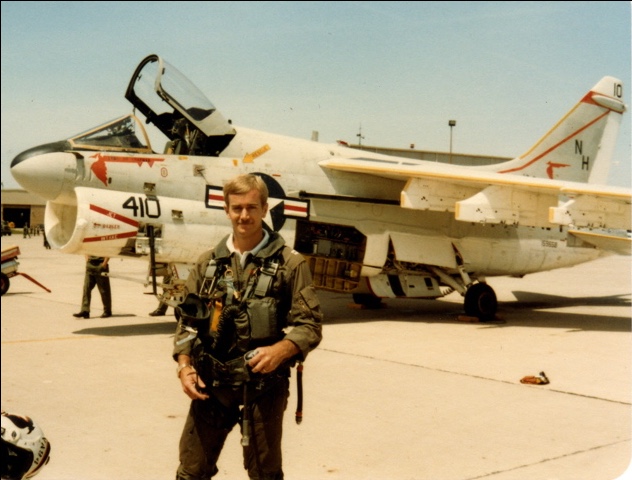
U.S. Navy