
Opening branch overview
Building the branch home surface
Loading branch highlights, featured unit context, and gallery moments.
Overview
Members
Units
Building the branch home surface
Loading branch highlights, featured unit context, and gallery moments.
Building the branch units surface
Loading unit filters, rankings, and the branch unit grid.

5 members•1 unit
Relive and share the memories of your service-time with your brothers and sisters in arms today. VetFriends.com can help you reconnect.
Did you proudly serve in the VU-5?
Are you looking for someone who is or was in the VU-5?
Do you have VU-5 photos you'd like to share?
Then join a community with your brothers and sisters of the VU-5.
Branch
U.S. Navy
Members
5
VU-5 was a United States Navy Utility Squadron established to provide target towing, gunnery training, and other support services for fleet units. Formed in the post-World War II era, VU-5 operated primarily from Naval Air Station Atsugi, Japan, and later Barbers Point, Hawaii. The squadron flew various aircraft, including the JD-1 Invader and the FJ-4 Fury, adapting to changing Navy requirements throughout its service. VU-5 was eventually redesignated as VC-5 in 1965, reflecting an organizational shift before its eventual disestablishment.
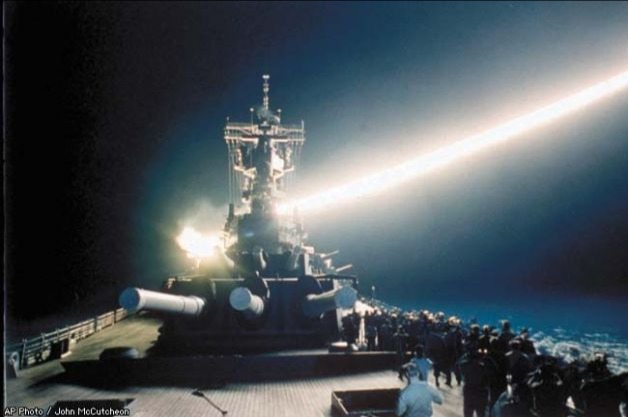
U.S. Navy • 1991
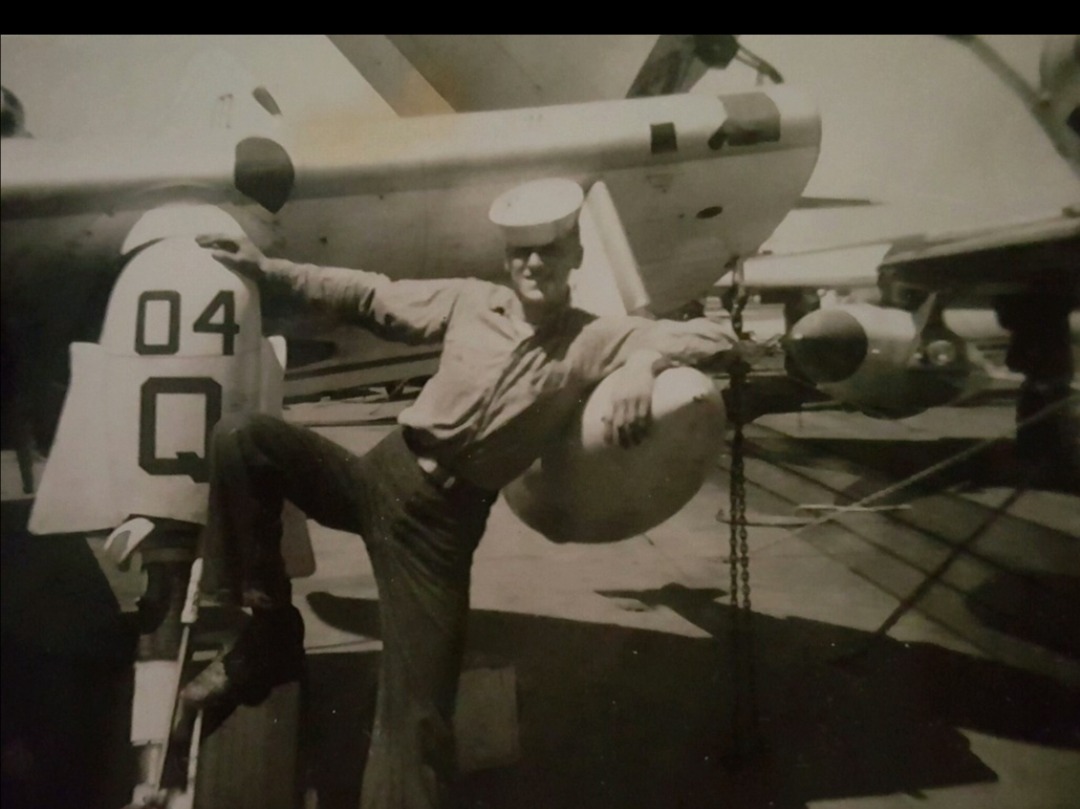
U.S. Navy
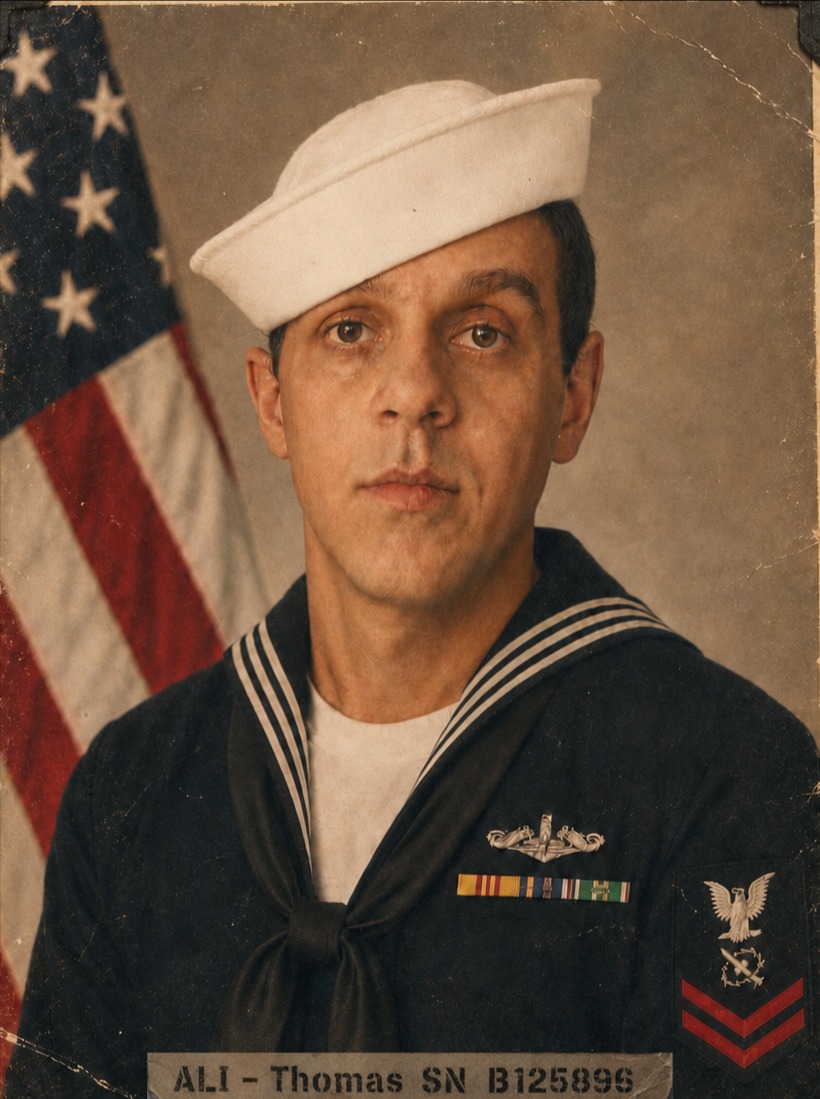
WEAPONS • U.S. Navy • 1968
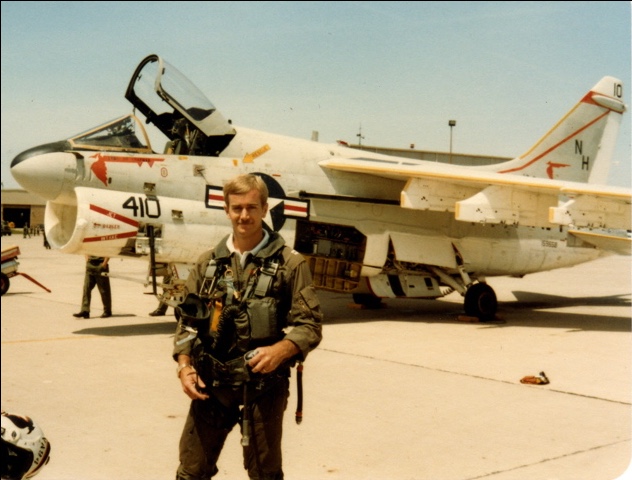
U.S. Navy