
Opening branch overview
Building the branch home surface
Loading branch highlights, featured unit context, and gallery moments.
Overview
Members
Units
Building the branch home surface
Loading branch highlights, featured unit context, and gallery moments.
Building the branch units surface
Loading unit filters, rankings, and the branch unit grid.

U.S. Navy•32 members
Relive and share the memories of your service-time with your brothers and sisters in arms today. VetFriends.com can help you reconnect.
Did you proudly serve in the VS-29?
Are you looking for someone who is or was in the VS-29?
Do you have VS-29 photos you'd like to share?
Then join a community with your brothers and sisters of the VS-29.
VS-29, known as the “Dragonfires,” was a United States Navy anti-submarine squadron established in 1960. Flying the S-2 Tracker and later the S-3 Viking, VS-29 served with distinction aboard various aircraft carriers, providing crucial anti-submarine warfare (ASW) and maritime patrol capabilities. The squadron participated in numerous operations, including during the Vietnam War and the Gulf War, supporting carrier battle groups and contributing to fleet defense. VS-29 was deactivated in 2004 as part of the broader retirement of the S-3 Viking from active service.
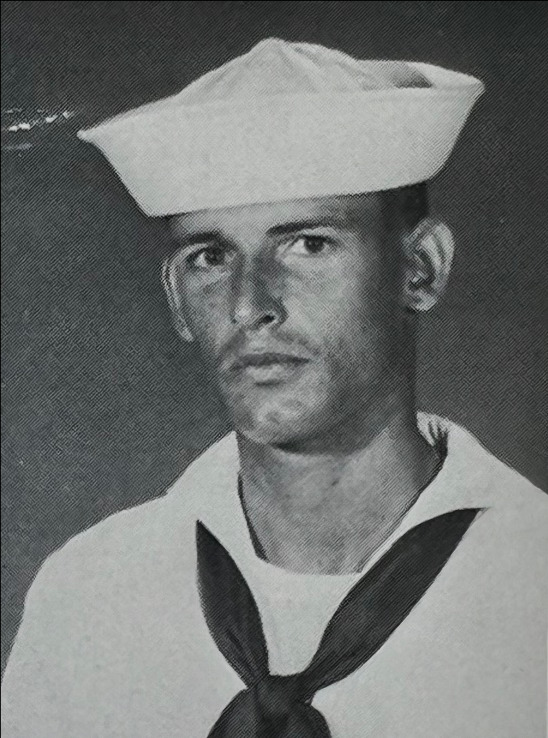
U.S. Navy • 1969
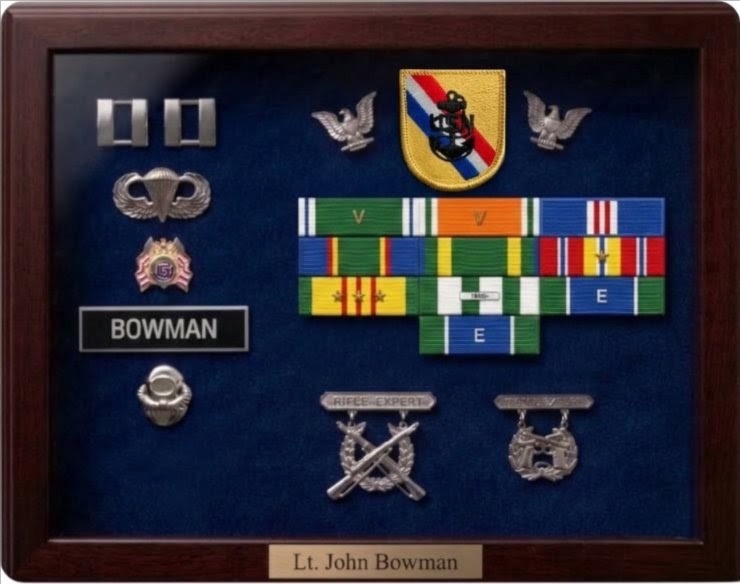
U.S. Navy
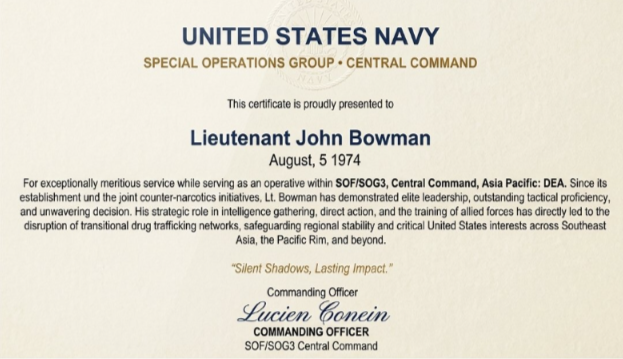
U.S. Navy
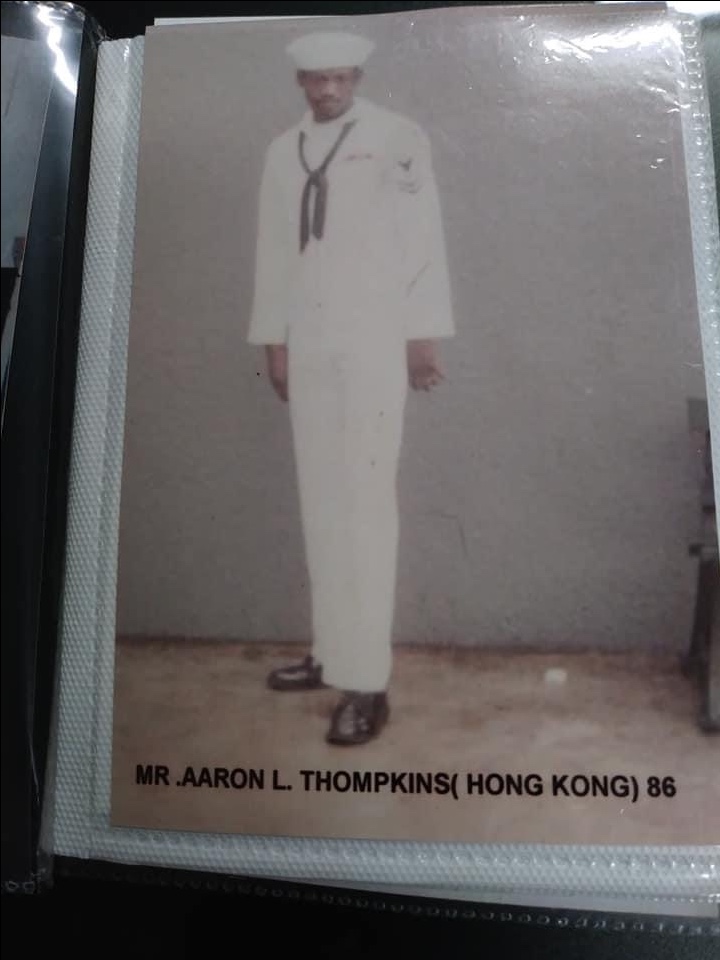
Battleship USS New Jersey BB-62 • U.S. Navy • 1986