
Opening branch overview
Building the branch home surface
Loading branch highlights, featured unit context, and gallery moments.
Overview
Members
Units
Building the branch home surface
Loading branch highlights, featured unit context, and gallery moments.
Building the branch units surface
Loading unit filters, rankings, and the branch unit grid.

U.S. Navy•39 members
Relive and share the memories of your service-time with your brothers and sisters in arms today. VetFriends.com can help you reconnect.
Did you proudly serve in the VRC-50?
Are you looking for someone who is or was in the VRC-50?
Do you have VRC-50 photos you'd like to share?
Then join a community with your brothers and sisters of the VRC-50.
Fleet Logistics Support Squadron 50 (VRC-50), known as the "Foo Dogs," was a United States Navy squadron established in 1966. The squadron specialized in Carrier Onboard Delivery (COD) missions, utilizing aircraft such as the C-1 Trader, C-2 Greyhound, and C-130 Hercules to transport personnel, mail, and high-priority cargo to aircraft carriers and other fleet units throughout the Pacific and Indian Oceans. VRC-50 played a crucial logistical role during the Vietnam War and continued its support operations through the Cold War period. The unit was disestablished in 1994, with its mission and assets redistributed to other Navy logistics squadrons.
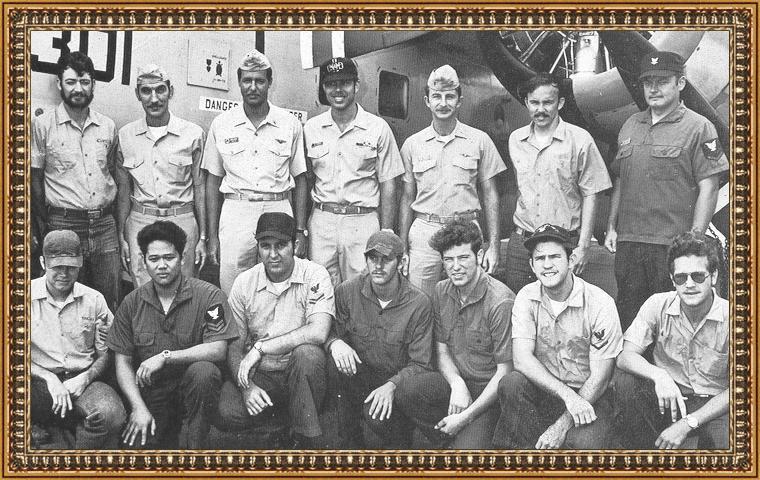
U.S. Navy
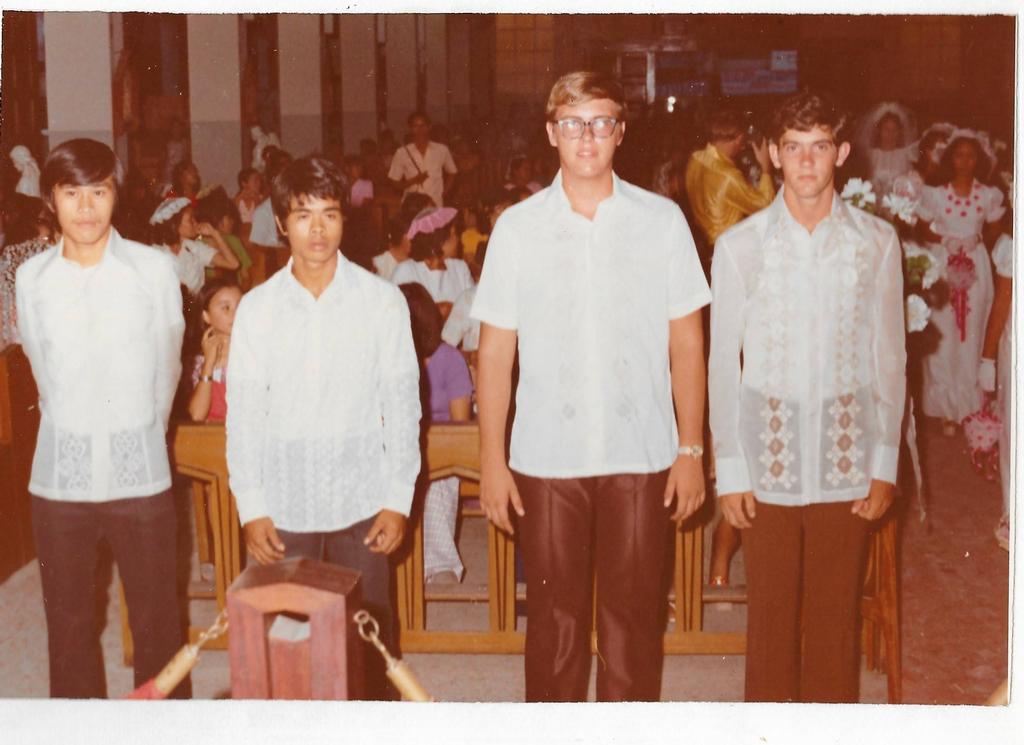
U.S. Navy
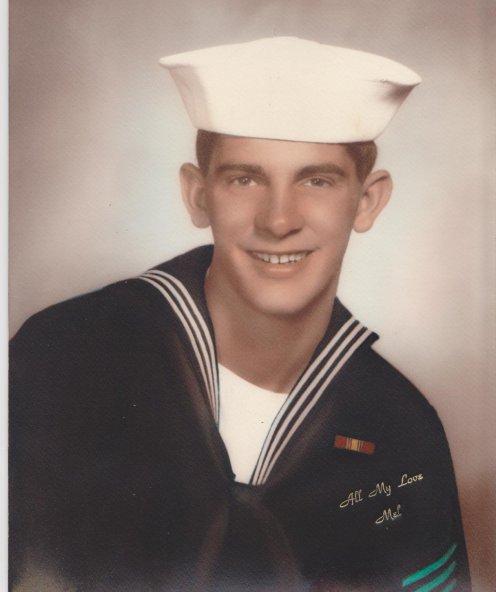
U.S. Navy