
Opening branch overview
Building the branch home surface
Loading branch highlights, featured unit context, and gallery moments.
Overview
Members
Units
Building the branch home surface
Loading branch highlights, featured unit context, and gallery moments.
Building the branch units surface
Loading unit filters, rankings, and the branch unit grid.

6 members•1 unit
Relive and share the memories of your service-time with your brothers and sisters in arms today. VetFriends.com can help you reconnect.
Did you proudly serve in the VR-3?
Are you looking for someone who is or was in the VR-3?
Do you have VR-3 photos you'd like to share?
Then join a community with your brothers and sisters of the VR-3.
Branch
U.S. Navy
Members
6
Fleet Logistics Support Squadron 3 (VR-3) was a United States Navy aviation unit established during World War II. Formed in 1942, VR-3 operated as part of the Naval Air Transport Service (NATS), providing critical air logistics and transport support across the United States and to overseas bases. The squadron flew aircraft such as the R4D Skytrain and R5D Skymaster, delivering personnel, mail, and supplies vital to the war effort. VR-3 continued its transport mission after the war, contributing to the Navy’s global logistics network before eventual deactivation as military priorities shifted.

U.S. Navy • 1964
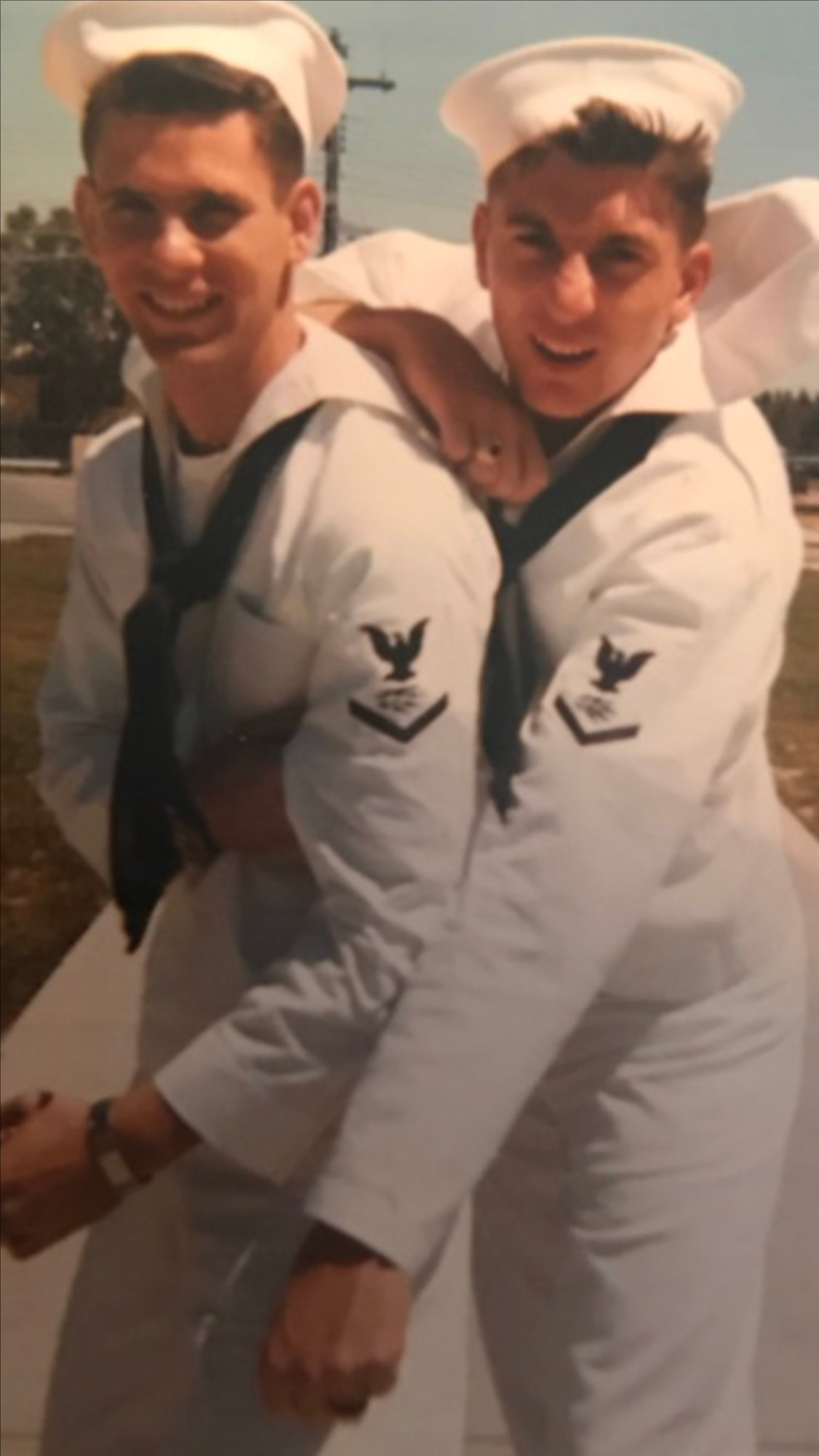
NAVCOMSTA Sidi Yahia • U.S. Navy • 1965

U.S. Navy • 1964
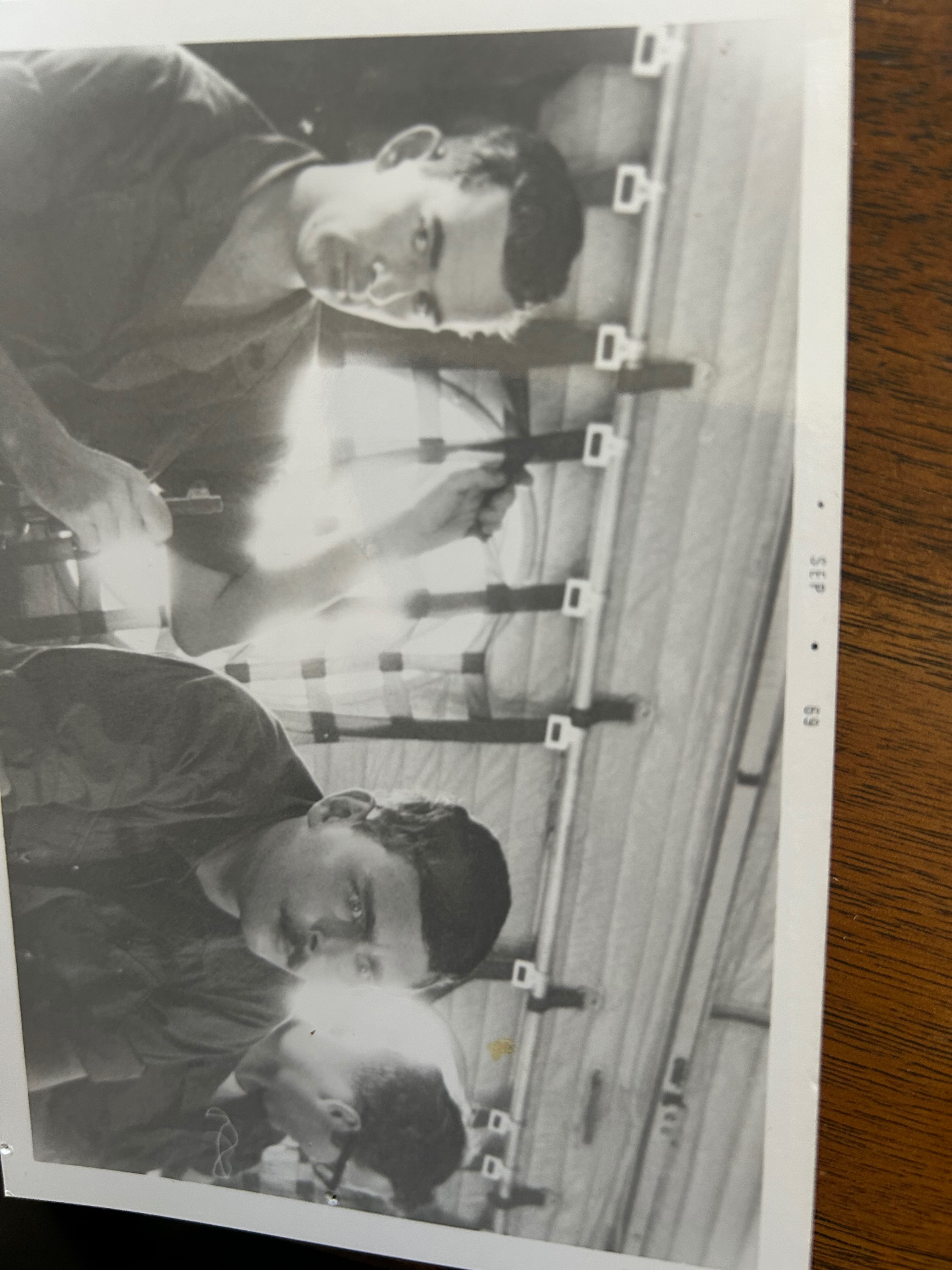
MILPHAP N-4 • U.S. Navy • 1968