
Opening branch overview
Building the branch home surface
Loading branch highlights, featured unit context, and gallery moments.
Overview
Members
Units
Building the branch home surface
Loading branch highlights, featured unit context, and gallery moments.
Building the branch units surface
Loading unit filters, rankings, and the branch unit grid.

U.S. Navy•33 members
Relive and share the memories of your service-time with your brothers and sisters in arms today. VetFriends.com can help you reconnect.
Did you proudly serve in the VQ-2?
Are you looking for someone who is or was in the VQ-2?
Do you have VQ-2 photos you'd like to share?
Then join a community with your brothers and sisters of the VQ-2.
Fleet Air Reconnaissance Squadron TWO (VQ-2), known as the "Batmen," was a U.S. Navy squadron established in 1955 at Naval Station Port Lyautey, Morocco, before relocating to Rota, Spain, in 1959. The unit specialized in signals intelligence (SIGINT), operating aircraft such as the P4M Mercator, A3 Skywarrior, and later the EP-3 Aries. VQ-2 played a crucial role during the Cold War, monitoring Soviet naval and air activities in the Mediterranean, North Africa, and the Middle East. After decades of service, the squadron moved to NAS Whidbey Island, Washington, before being disestablished in 2012.
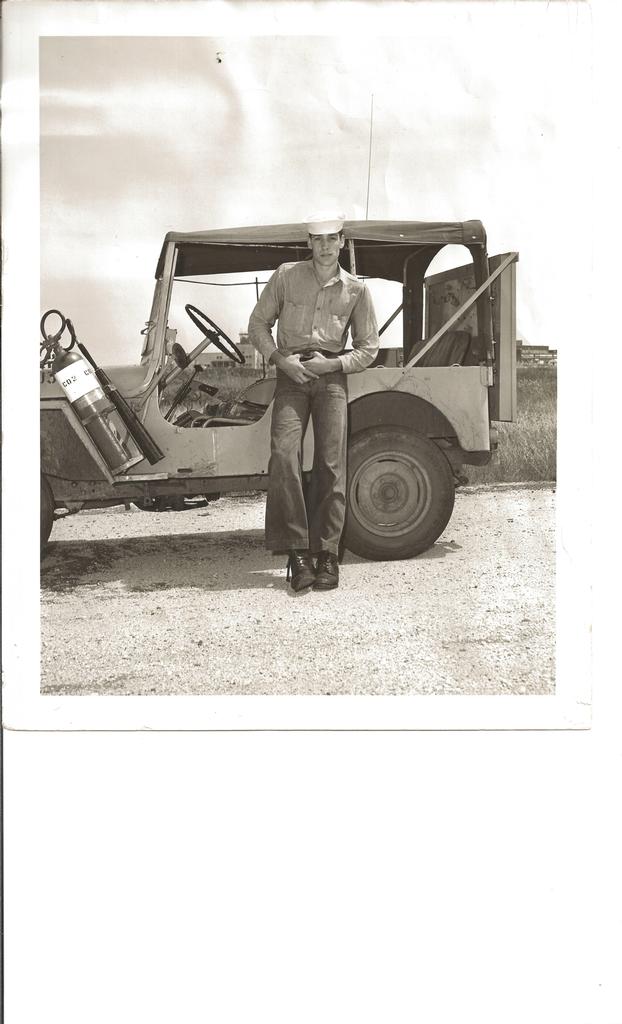
U.S. Navy
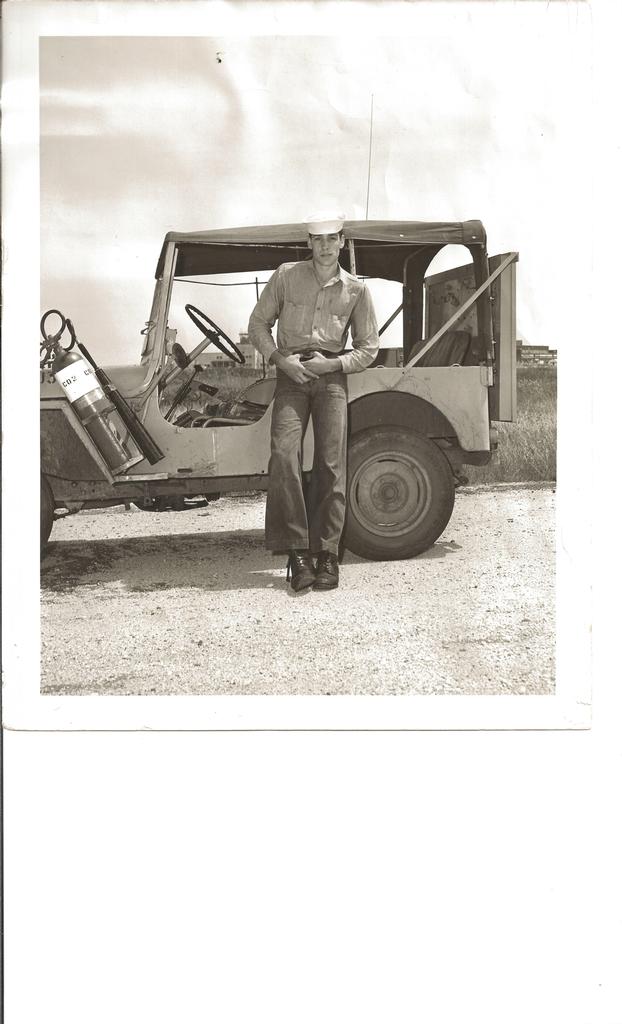
U.S. Navy
U.S. Navy
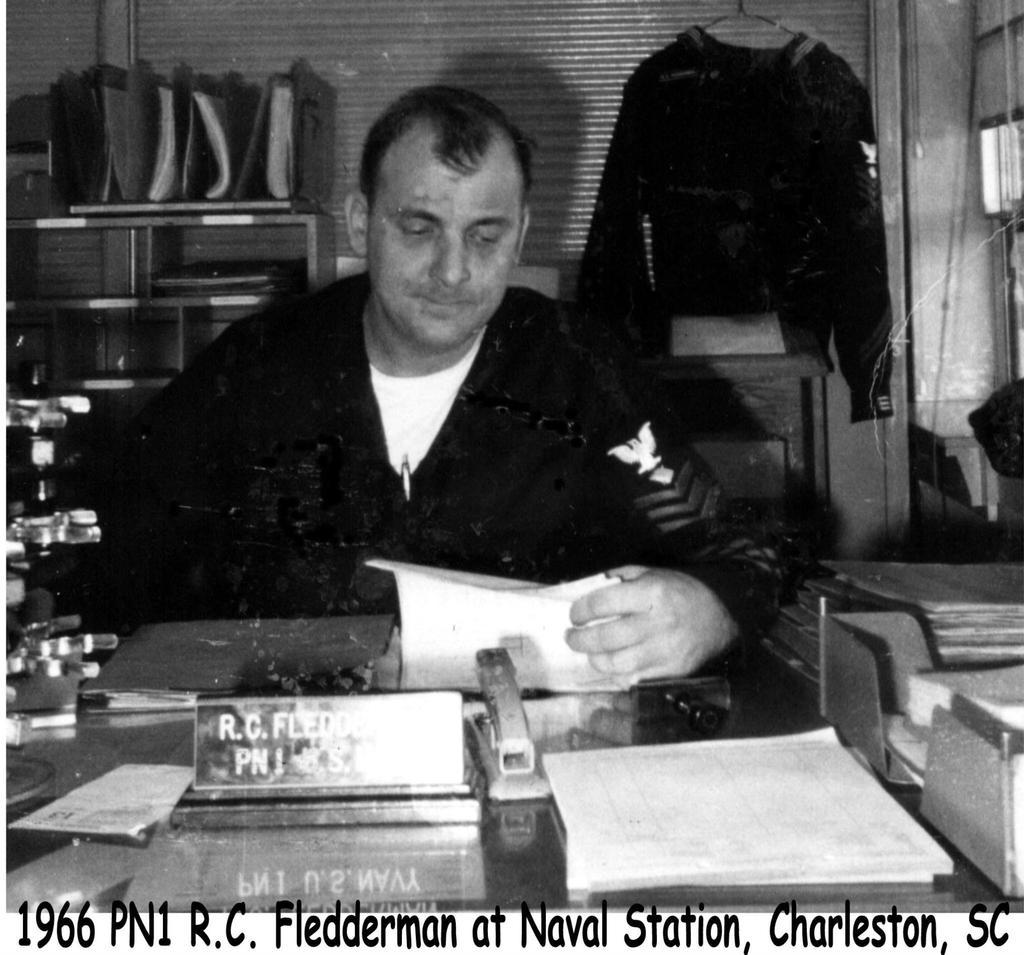
U.S. Navy