
Opening branch overview
Building the branch home surface
Loading branch highlights, featured unit context, and gallery moments.
Overview
Members
Units
Building the branch home surface
Loading branch highlights, featured unit context, and gallery moments.
Building the branch units surface
Loading unit filters, rankings, and the branch unit grid.

9 members•1 unit
Relive and share the memories of your service-time with your brothers and sisters in arms today. VetFriends.com can help you reconnect.
Did you proudly serve in the VPU-2?
Are you looking for someone who is or was in the VPU-2?
Do you have VPU-2 photos you'd like to share?
Then join a community with your brothers and sisters of the VPU-2.
Branch
U.S. Navy
Members
9
VPU-2, known as "Wizards," is a United States Navy unit with a heritage dating back to its original designation as VQ-2, which was established in 1955 to conduct signals intelligence and electronic surveillance missions during the Cold War. The unit operated various specialized aircraft, including the EP-3 Aries and P-3 Orion, providing critical intelligence support throughout multiple conflicts and during peacetime operations. In 1998, the unit was redesignated as VPU-2 and shifted its mission focus to maritime patrol and reconnaissance, deploying globally from its home base at Marine Corps Base Hawaii. VPU-2 played an essential role in gathering intelligence and supporting fleet operations before its deactivation in 2012.
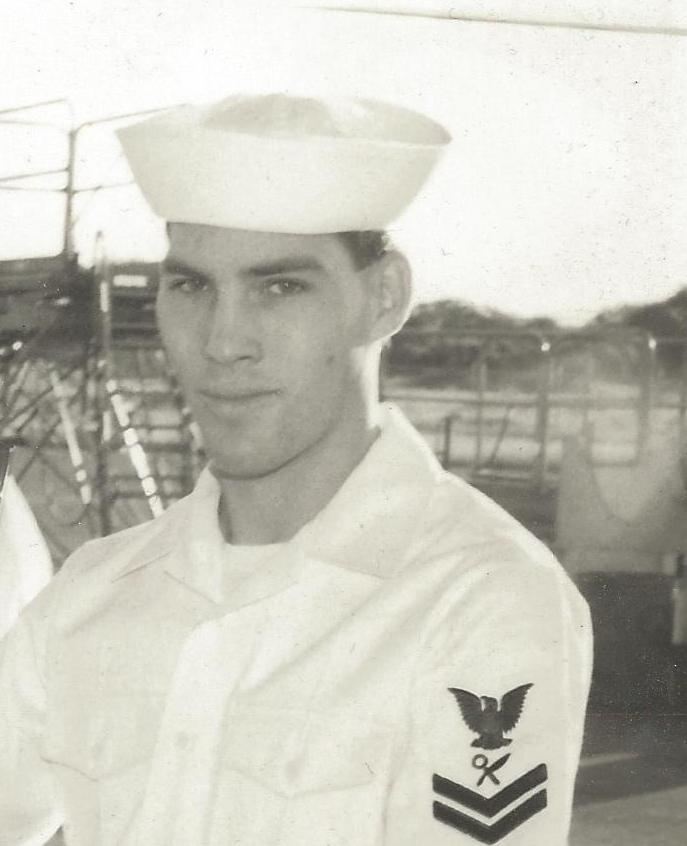
U.S. Navy