
Opening branch overview
Building the branch home surface
Loading branch highlights, featured unit context, and gallery moments.
Overview
Members
Units
Building the branch home surface
Loading branch highlights, featured unit context, and gallery moments.
Building the branch units surface
Loading unit filters, rankings, and the branch unit grid.

2 members•1 unit
Relive and share the memories of your service-time with your brothers and sisters in arms today. VetFriends.com can help you reconnect.
Did you proudly serve in the Vp-mau?
Are you looking for someone who is or was in the Vp-mau?
Do you have Vp-mau photos you'd like to share?
Then join a community with your brothers and sisters of the Vp-mau.
Branch
U.S. Navy
Members
2
**Vp-mau** is a designation for a Vietnamese People's Air Force (VPAF) MiG-21 interceptor unit that played a crucial role during the Vietnam War. Established in the 1960s, the unit was tasked with defending North Vietnamese airspace against American bombing campaigns, notably Operation Rolling Thunder and Operation Linebacker. Vp-mau pilots became renowned for their hit-and-run tactics, utilizing the MiG-21's speed and agility to engage U.S. aircraft and achieve a number of air-to-air victories. The unit's effectiveness contributed significantly to the VPAF's overall air defense strategy and is celebrated in Vietnamese military history.
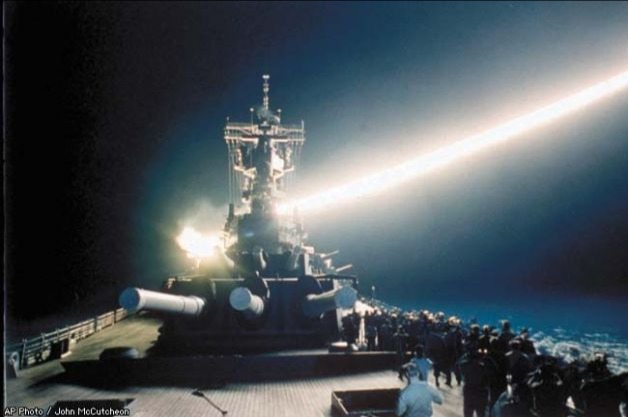
U.S. Navy • 1991
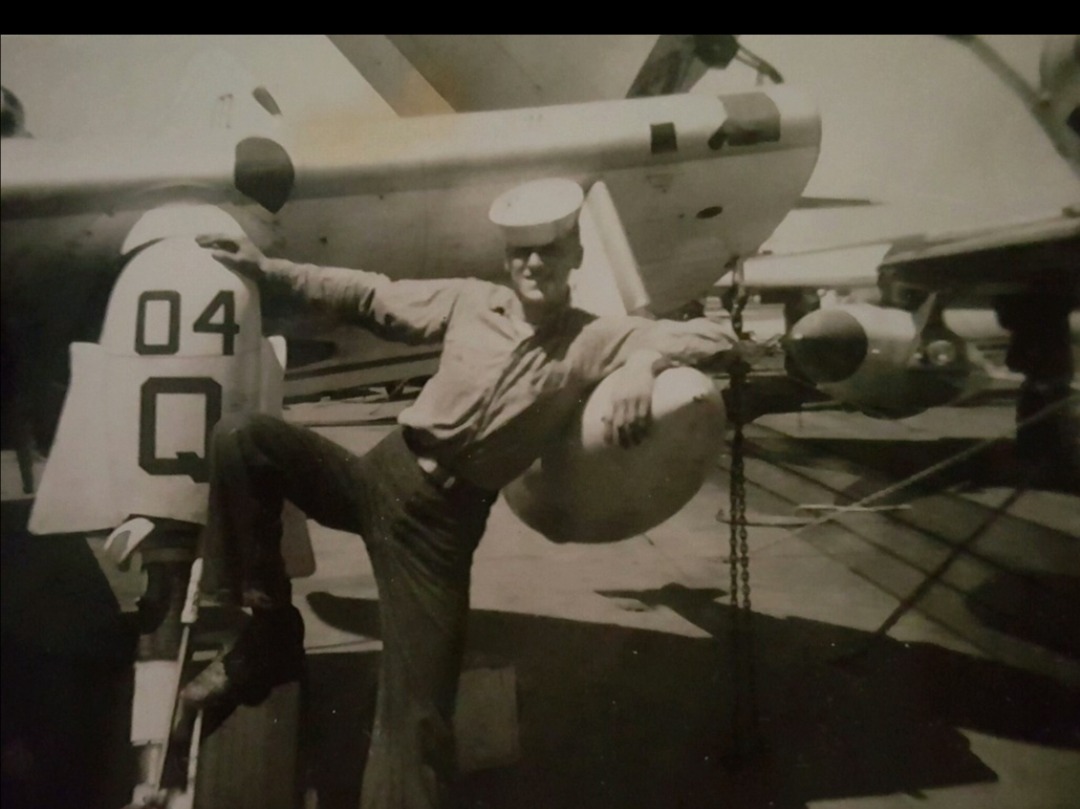
U.S. Navy
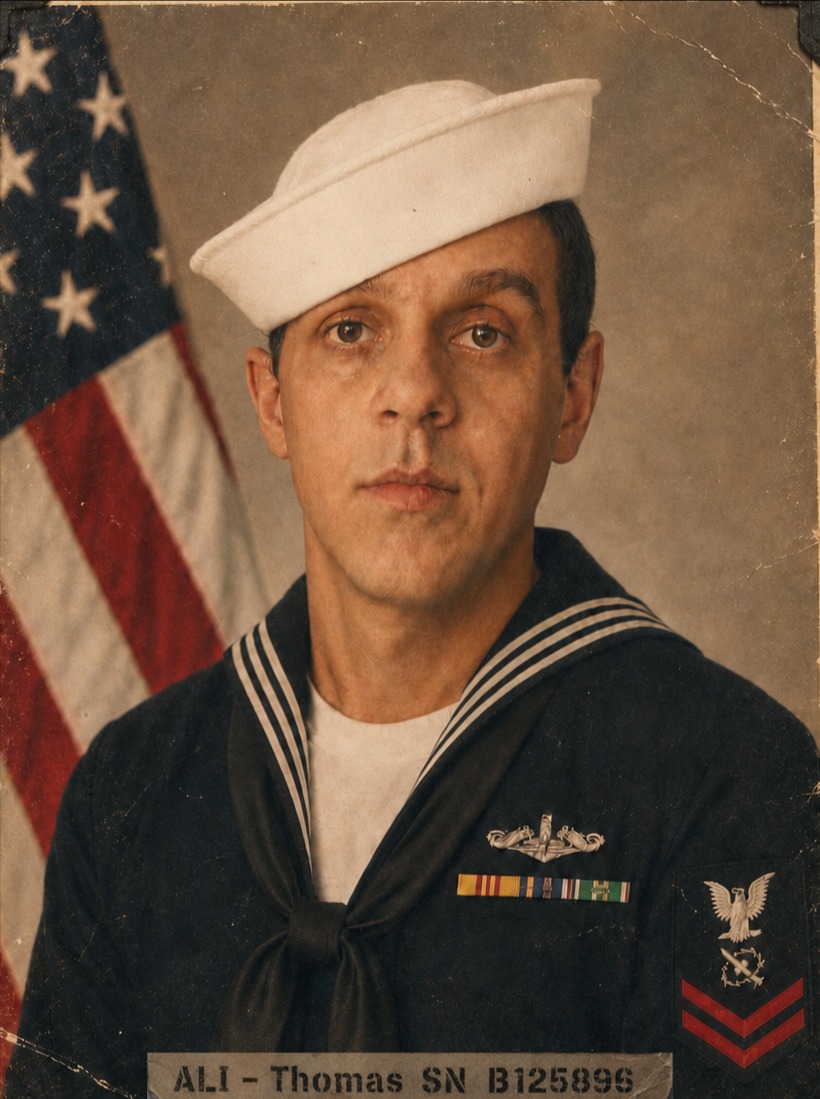
WEAPONS • U.S. Navy • 1968
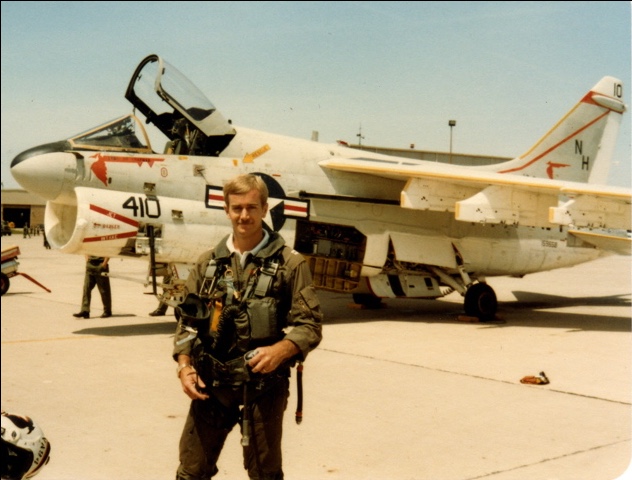
U.S. Navy