
Opening branch overview
Building the branch home surface
Loading branch highlights, featured unit context, and gallery moments.
Overview
Members
Units
Building the branch home surface
Loading branch highlights, featured unit context, and gallery moments.
Building the branch units surface
Loading unit filters, rankings, and the branch unit grid.

U.S. Navy•27 members
Relive and share the memories of your service-time with your brothers and sisters in arms today. VetFriends.com can help you reconnect.
Did you proudly serve in the VFP-63?
Are you looking for someone who is or was in the VFP-63?
Do you have VFP-63 photos you'd like to share?
Then join a community with your brothers and sisters of the VFP-63.
VFP-63, or Light Photographic Squadron 63, was a United States Navy reconnaissance squadron established on January 1, 1949, originally designated as VJ-63. The unit specialized in aerial photographic reconnaissance, providing crucial intelligence and surveillance during the Cold War era and throughout the Vietnam War. VFP-63 operated the RF-8 Crusader aircraft and played a key role in gathering imagery intelligence for carrier air wings in the Pacific Fleet. The squadron was disestablished on June 30, 1982, following the retirement of the RF-8 from active service.
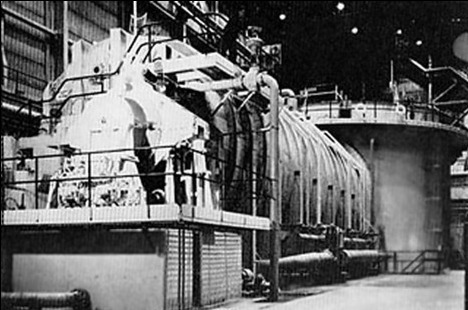
NPTU IDAHO • U.S. Navy • 1972
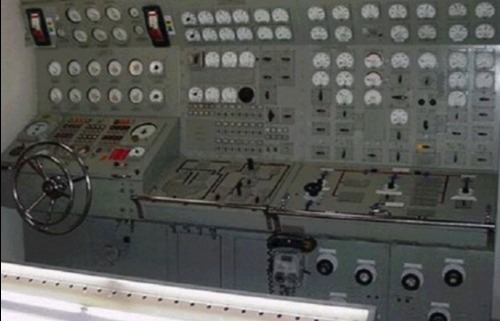
NPTU IDAHO • U.S. Navy • 1978
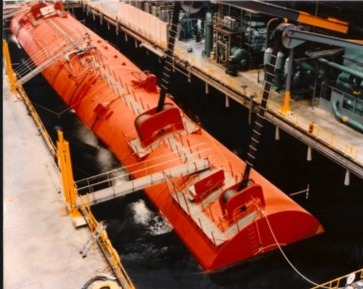
NPTU IDAHO • U.S. Navy • 1978
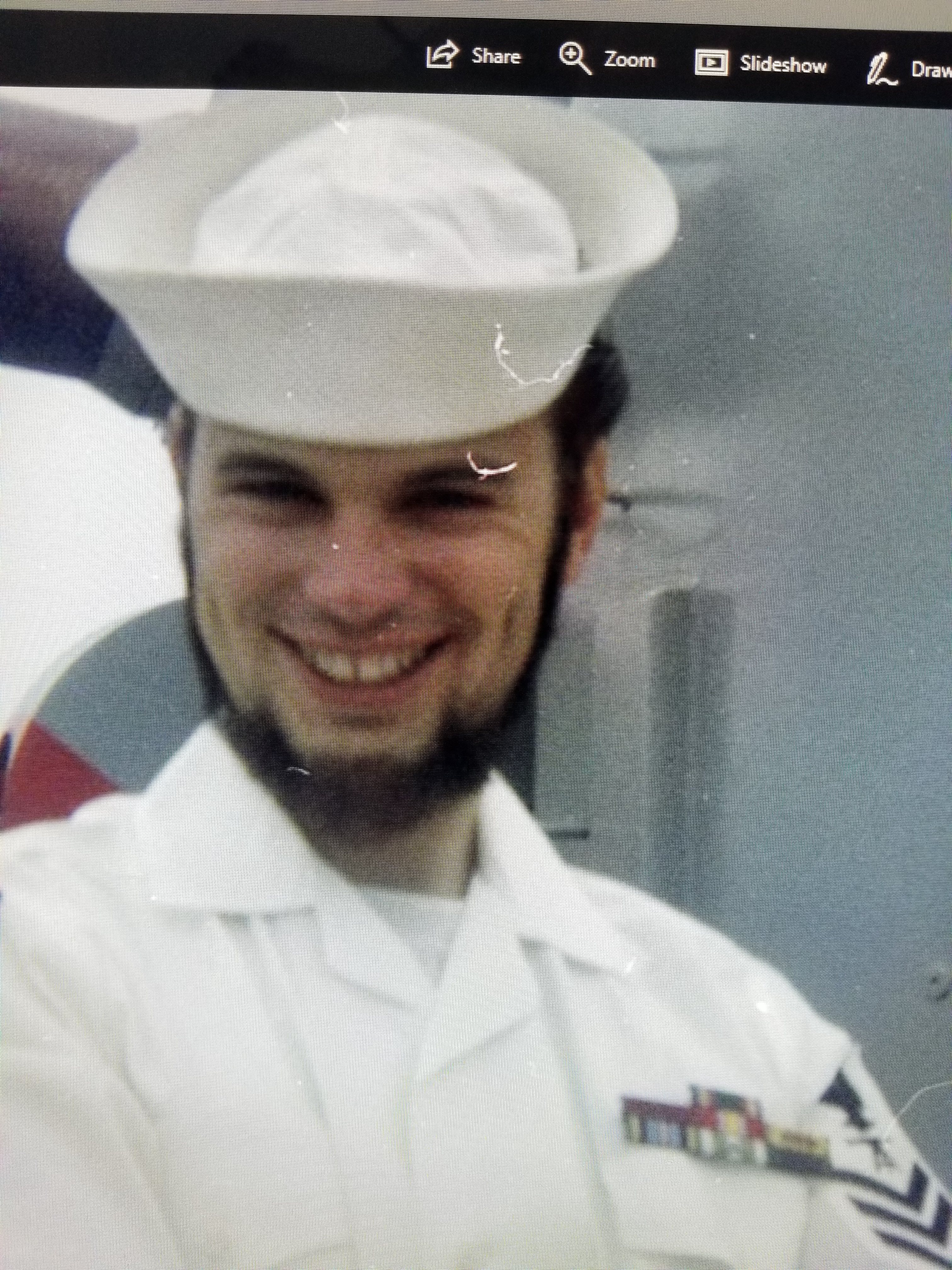
USS EDSON DD946 • U.S. Navy • 1973