
Opening branch overview
Building the branch home surface
Loading branch highlights, featured unit context, and gallery moments.
Overview
Members
Units
Building the branch home surface
Loading branch highlights, featured unit context, and gallery moments.
Building the branch units surface
Loading unit filters, rankings, and the branch unit grid.

U.S. Navy•4 members
Relive and share the memories of your service-time with your brothers and sisters in arms today. VetFriends.com can help you reconnect.
Did you proudly serve in the VFAW-3?
Are you looking for someone who is or was in the VFAW-3?
Do you have VFAW-3 photos you'd like to share?
Then join a community with your brothers and sisters of the VFAW-3.
VFAW-3, or Fighter All-Weather Squadron 3, was a United States Navy aviation unit established on February 1, 1952. The squadron was notable for being one of the Navy’s first dedicated all-weather jet fighter squadrons, initially flying the F2H-2N Banshee before transitioning to the F3D Skyknight. VFAW-3 was assigned the unique role of providing all-weather air defense for the continental United States as part of the Air Defense Command, operating from NAS North Island, California. The squadron was disestablished on September 7, 1958, marking the end of its pioneering role in naval all-weather jet operations.
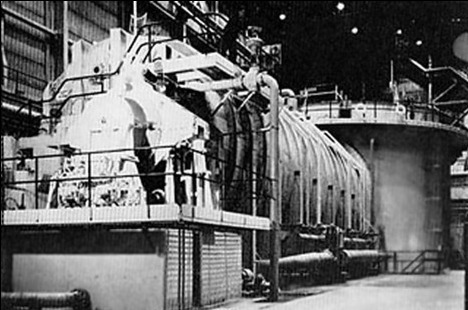
NPTU IDAHO • U.S. Navy • 1972
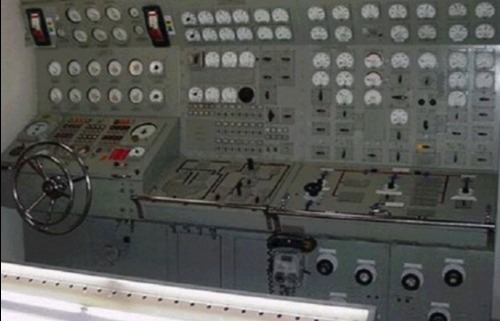
NPTU IDAHO • U.S. Navy • 1978
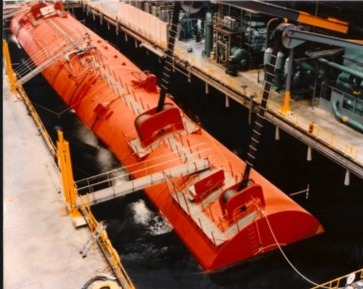
NPTU IDAHO • U.S. Navy • 1978
USS EDSON DD946 • U.S. Navy • 1973