
Opening branch overview
Building the branch home surface
Loading branch highlights, featured unit context, and gallery moments.
Overview
Members
Units
Building the branch home surface
Loading branch highlights, featured unit context, and gallery moments.
Building the branch units surface
Loading unit filters, rankings, and the branch unit grid.

U.S. Navy•8 members
Relive and share the memories of your service-time with your brothers and sisters in arms today. VetFriends.com can help you reconnect.
Did you proudly serve in the VFA-27?
Are you looking for someone who is or was in the VFA-27?
Do you have VFA-27 photos you'd like to share?
Then join a community with your brothers and sisters of the VFA-27.
Strike Fighter Squadron 27 (VFA-27), known as the "Royal Maces," is a United States Navy fighter squadron based at Naval Air Facility Atsugi, Japan. Established in 1967 as Attack Squadron 27 (VA-27), the squadron originally flew the A-7 Corsair II before transitioning to the F/A-18 Hornet in 1991 and later the advanced F/A-18E Super Hornet in 2004. VFA-27 has participated in numerous operations, including combat missions during Operation Desert Storm and ongoing deployments in support of U.S. interests in the Indo-Pacific region. As part of Carrier Air Wing 5, VFA-27 plays a key role in forward-deployed naval operations and the projection of American airpower in the Western Pacific.
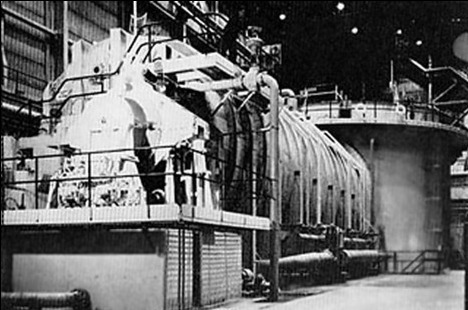
NPTU IDAHO • U.S. Navy • 1972
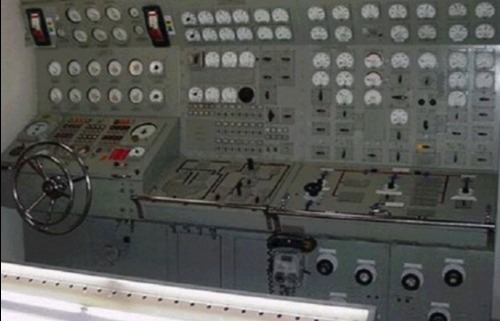
NPTU IDAHO • U.S. Navy • 1978
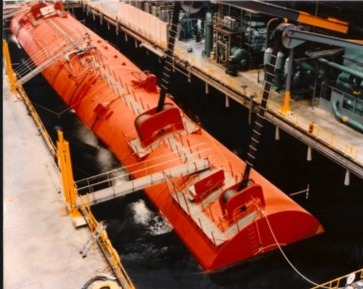
NPTU IDAHO • U.S. Navy • 1978
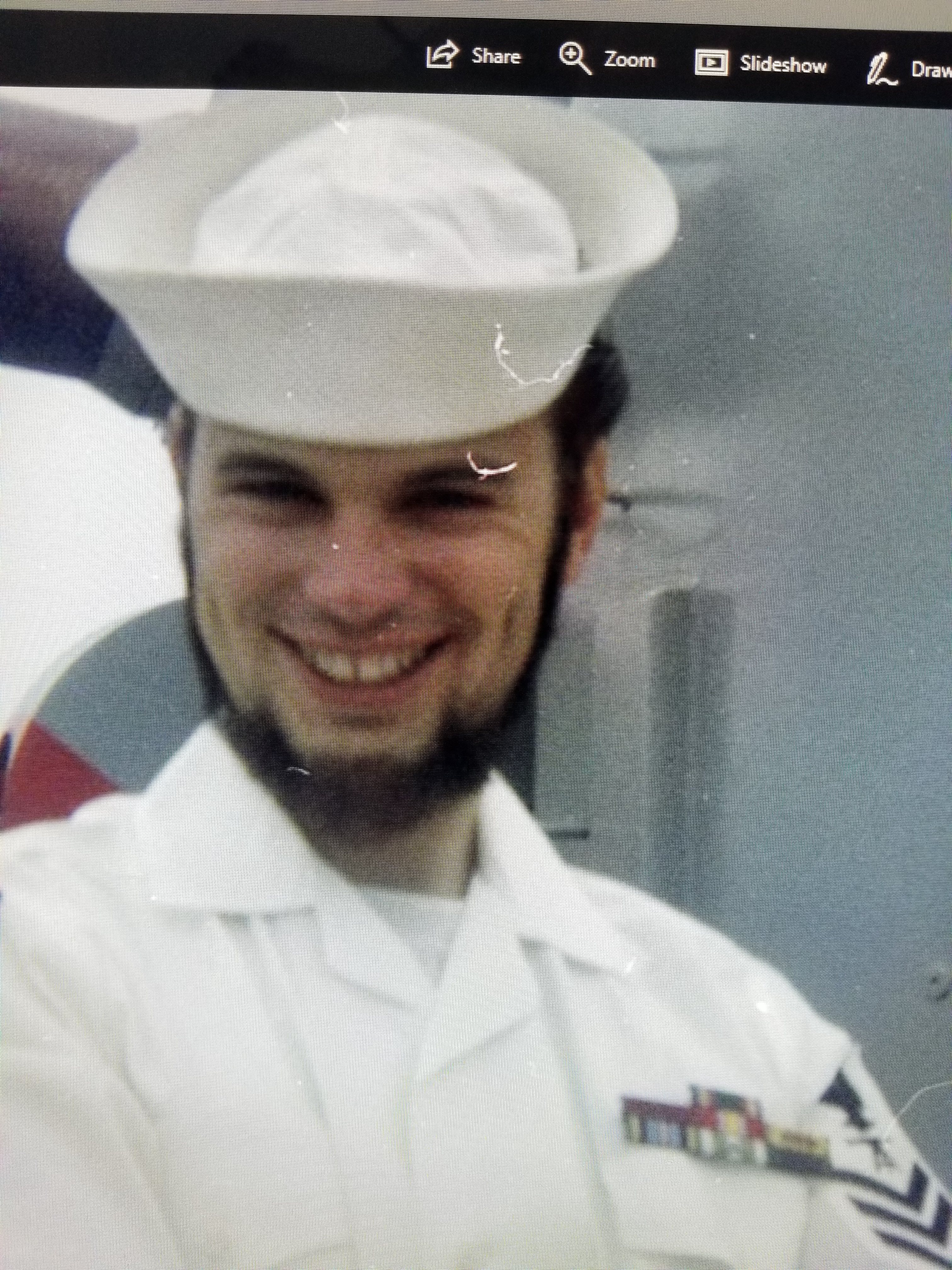
USS EDSON DD946 • U.S. Navy • 1973