
Opening branch overview
Building the branch home surface
Loading branch highlights, featured unit context, and gallery moments.
Overview
Members
Units
Building the branch home surface
Loading branch highlights, featured unit context, and gallery moments.
Building the branch units surface
Loading unit filters, rankings, and the branch unit grid.

19 members•1 unit
Relive and share the memories of your service-time with your brothers and sisters in arms today. VetFriends.com can help you reconnect.
Did you proudly serve in the VFA-106?
Are you looking for someone who is or was in the VFA-106?
Do you have VFA-106 photos you'd like to share?
Then join a community with your brothers and sisters of the VFA-106.
Branch
U.S. Navy
Members
19
Strike Fighter Squadron 106 (VFA-106), known as the "Gladiators," was established on April 27, 1984, at Naval Air Station Cecil Field, Florida. The squadron serves as the U.S. Navy's East Coast Fleet Replacement Squadron (FRS) for the F/A-18 Hornet and Super Hornet, tasked with training new naval aviators and maintenance personnel. Over the decades, VFA-106 has played a critical role in preparing pilots and aircrew for deployment to operational fleet squadrons. The unit relocated to Naval Air Station Oceana, Virginia, in 1999, continuing its mission as a cornerstone of naval aviation training.
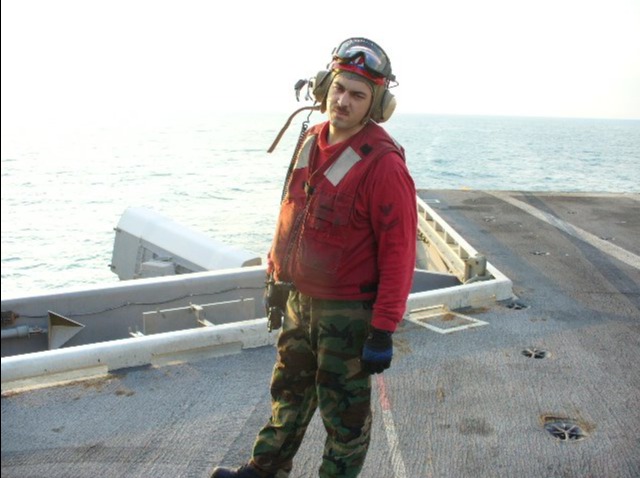
VFA-131 • U.S. Navy • 2006
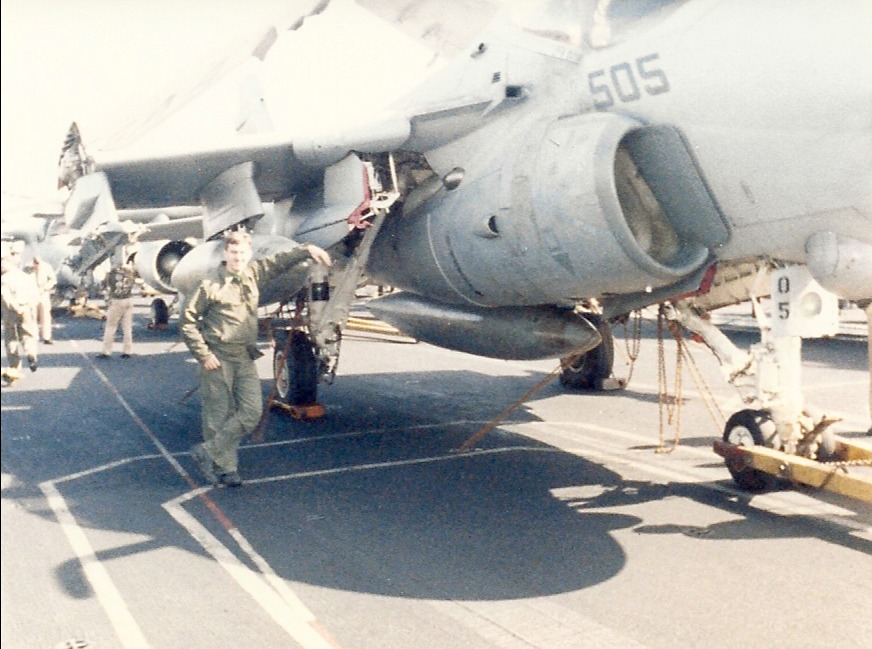
VA-35 • U.S. Navy • 1992
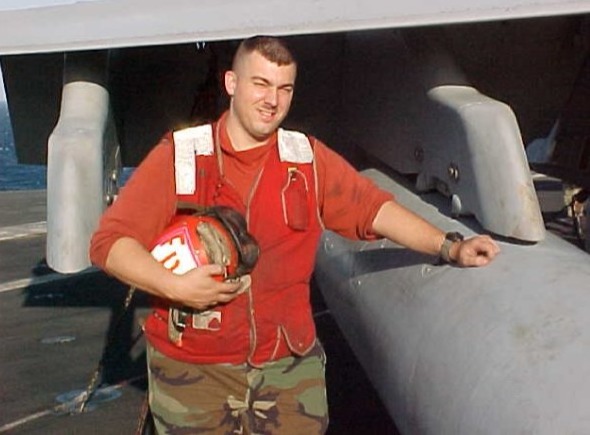
VFA-34 • U.S. Navy • 2000