
Opening branch overview
Building the branch home surface
Loading branch highlights, featured unit context, and gallery moments.
Overview
Members
Units
Building the branch home surface
Loading branch highlights, featured unit context, and gallery moments.
Building the branch units surface
Loading unit filters, rankings, and the branch unit grid.

2 members•1 unit
Relive and share the memories of your service-time with your brothers and sisters in arms today. VetFriends.com can help you reconnect.
Did you proudly serve in the VF-662?
Are you looking for someone who is or was in the VF-662?
Do you have VF-662 photos you'd like to share?
Then join a community with your brothers and sisters of the VF-662.
Branch
U.S. Navy
Members
2
VF-662 was a United States Navy Reserve fighter squadron established during the Korean War era. Originally activated in the early 1950s, VF-662 was equipped with F4U Corsair and later F9F Panther aircraft. The squadron was called to active duty and deployed aboard aircraft carriers, conducting combat operations and providing air support over Korea. After fulfilling its operational commitments, VF-662 was deactivated and returned to reserve status, contributing to the legacy of Reserve aviation in the U.S. Navy.
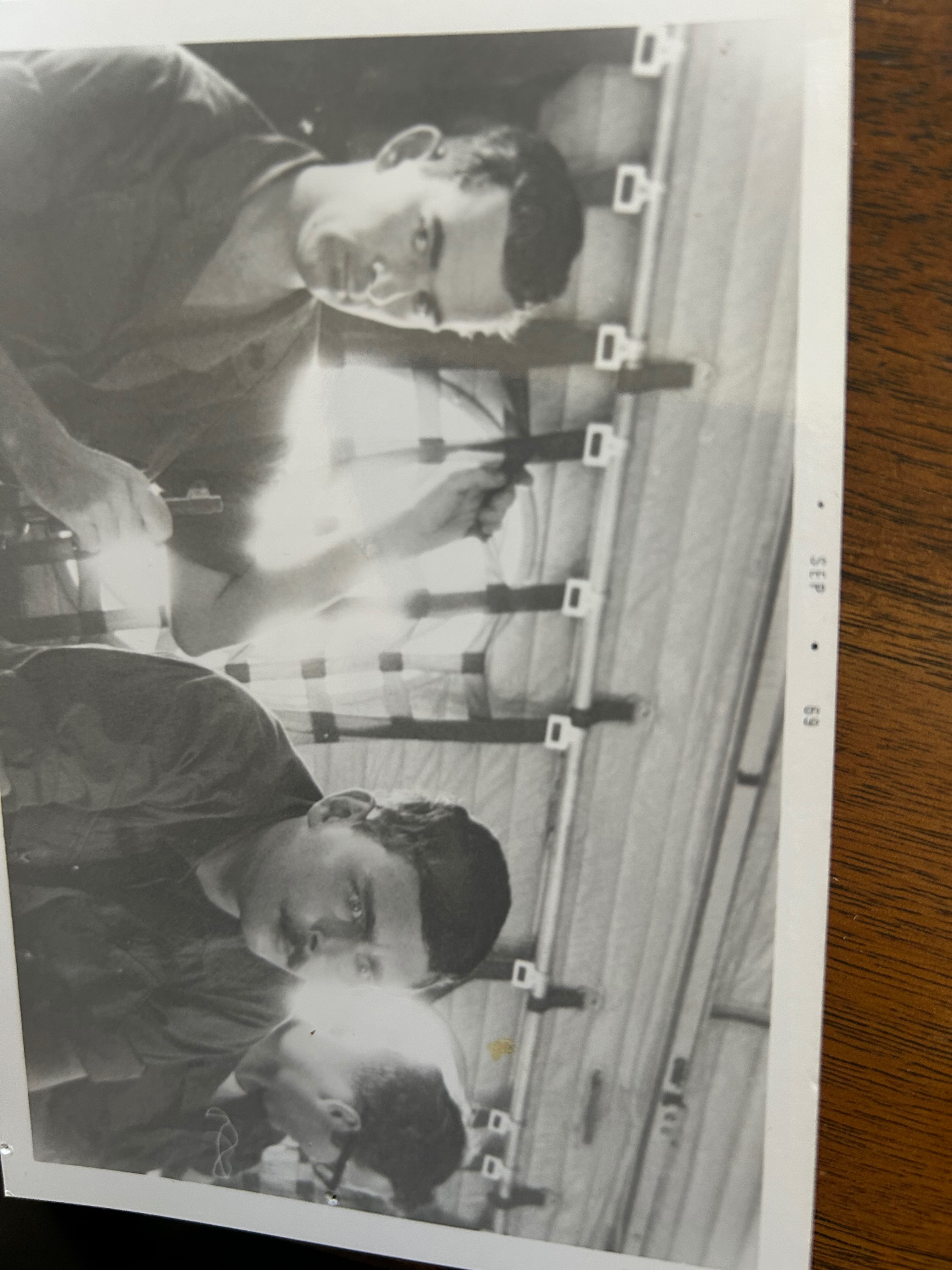
MILPHAP N-4 • U.S. Navy • 1968
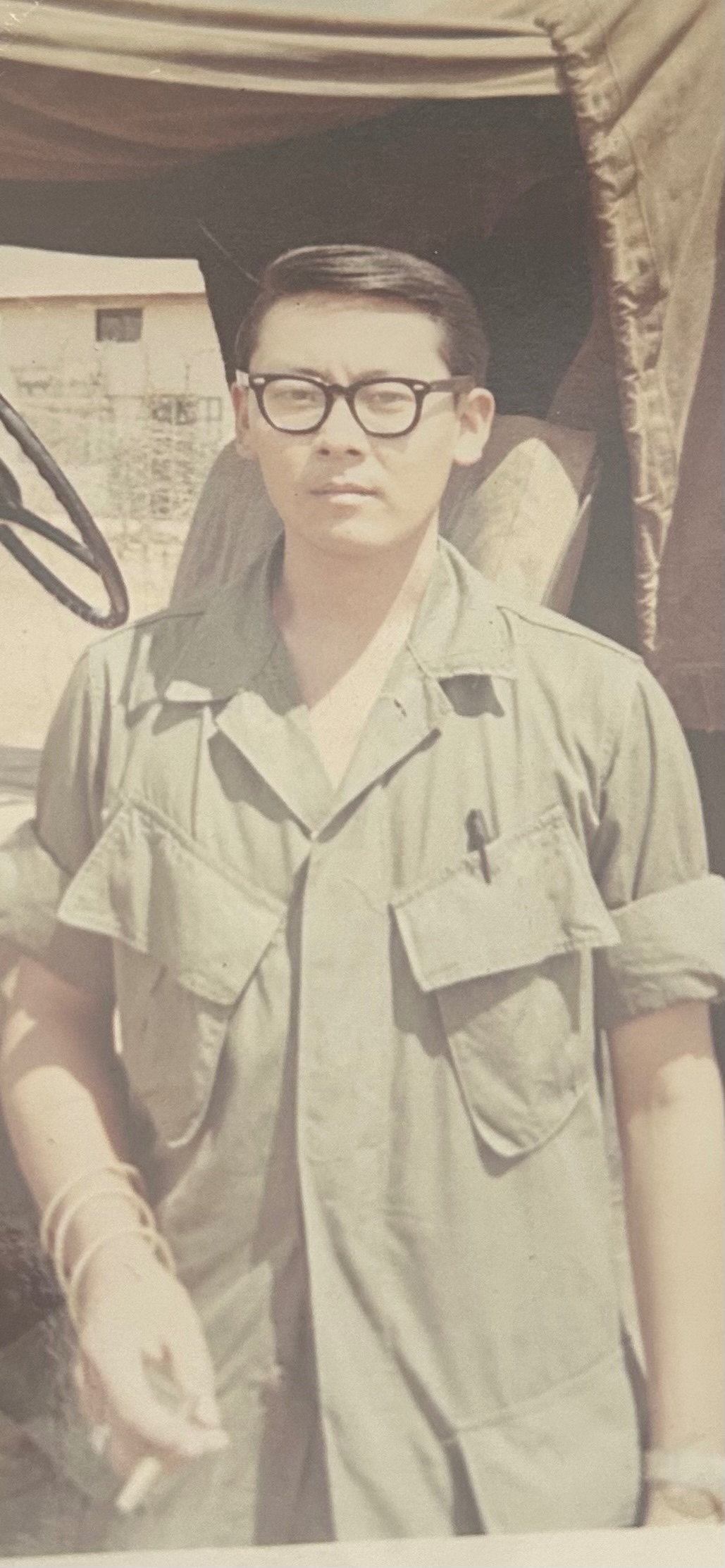
MILPHAP N-4 • U.S. Navy • 1968
U.S. Navy • 1968
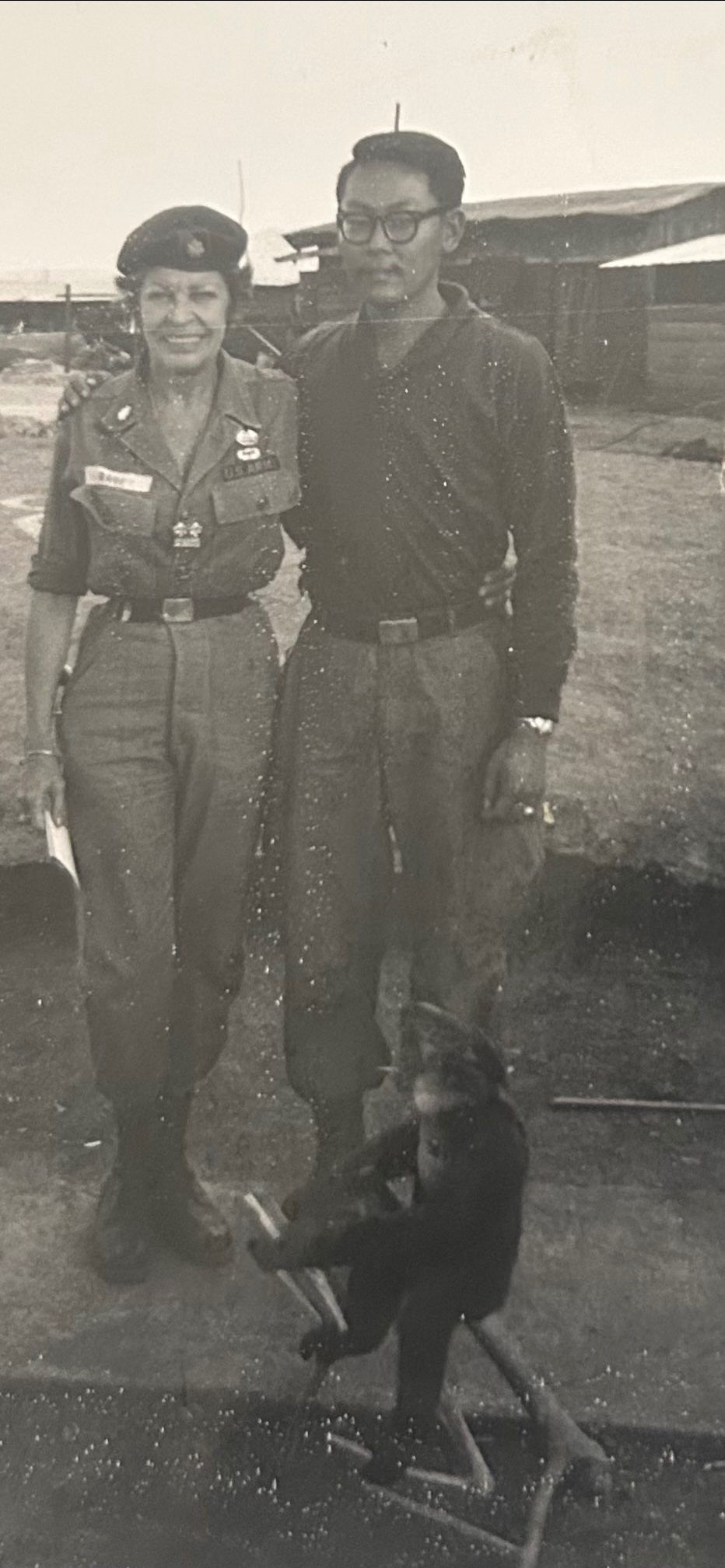
U.S. Navy • 1968