
Opening branch overview
Building the branch home surface
Loading branch highlights, featured unit context, and gallery moments.
Overview
Members
Units
Building the branch home surface
Loading branch highlights, featured unit context, and gallery moments.
Building the branch units surface
Loading unit filters, rankings, and the branch unit grid.

U.S. Navy•7 members
Relive and share the memories of your service-time with your brothers and sisters in arms today. VetFriends.com can help you reconnect.
Did you proudly serve in the VF-45?
Are you looking for someone who is or was in the VF-45?
Do you have VF-45 photos you'd like to share?
Then join a community with your brothers and sisters of the VF-45.
Fighter Squadron 45 (VF-45), known as the "Blackbirds," was a United States Navy fighter squadron established in February 1963. Originally based at Naval Air Station Cecil Field in Florida, VF-45 primarily served as an adversary training unit, simulating enemy aircraft to improve the combat readiness of Navy pilots. The squadron operated a variety of aircraft over its history, including the F-5 Tiger II and F-16N Fighting Falcon, both chosen for their ability to emulate potential adversaries' performance. VF-45 was disestablished in 1996 as part of post-Cold War drawdowns, with its adversary training mission absorbed by other units.
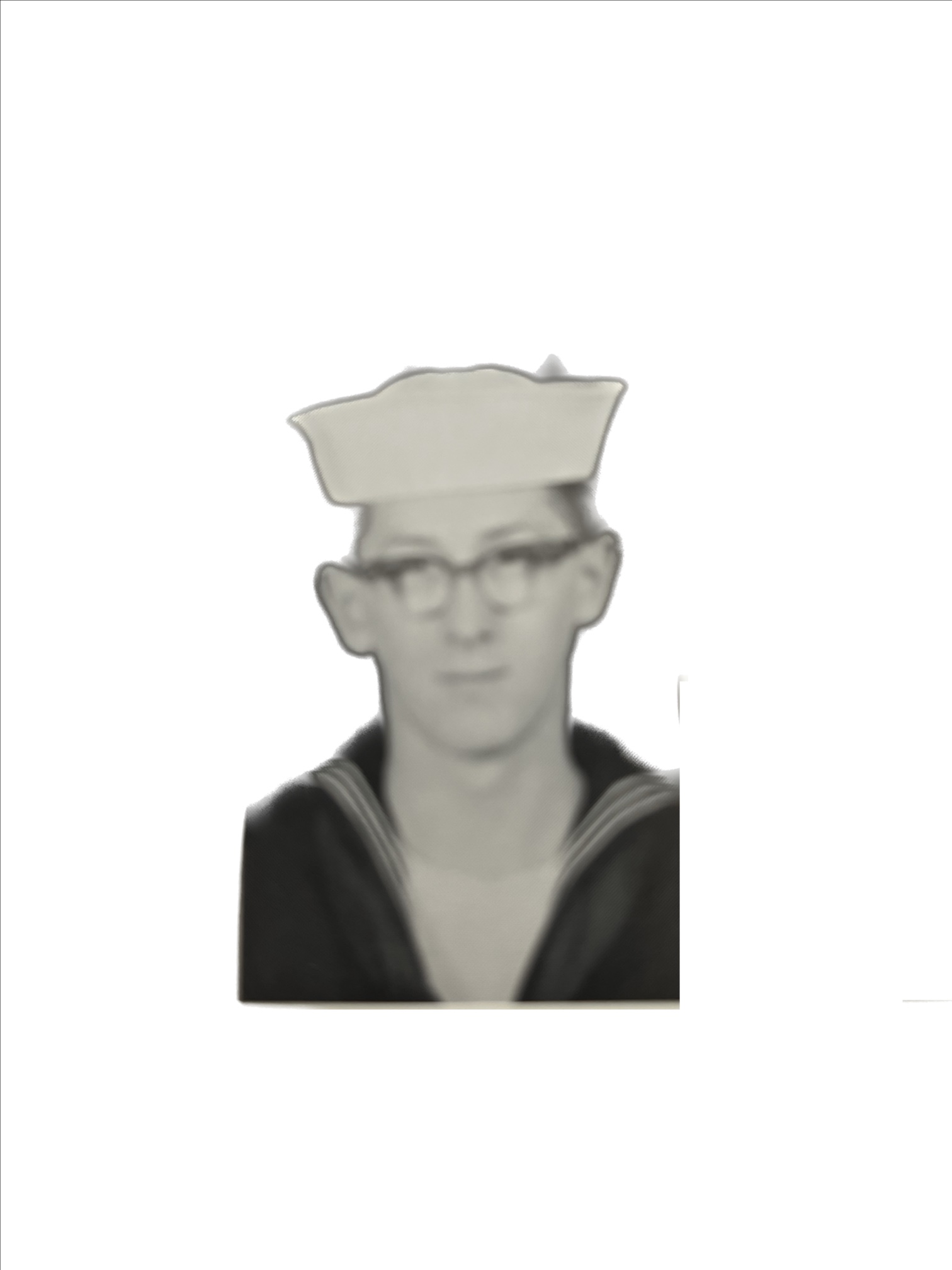
U.S. Navy • 1967
U.S. Navy
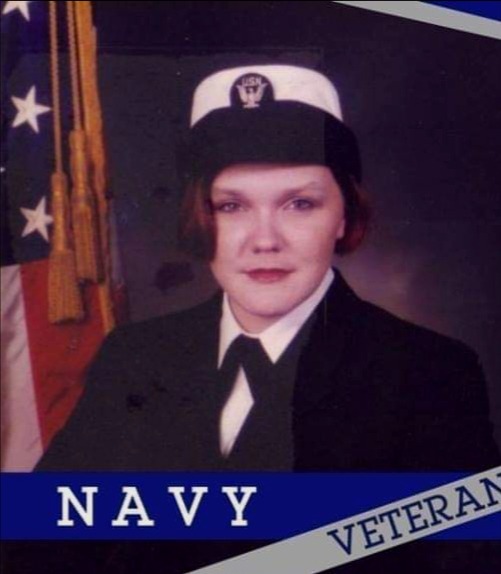
U.S. Navy
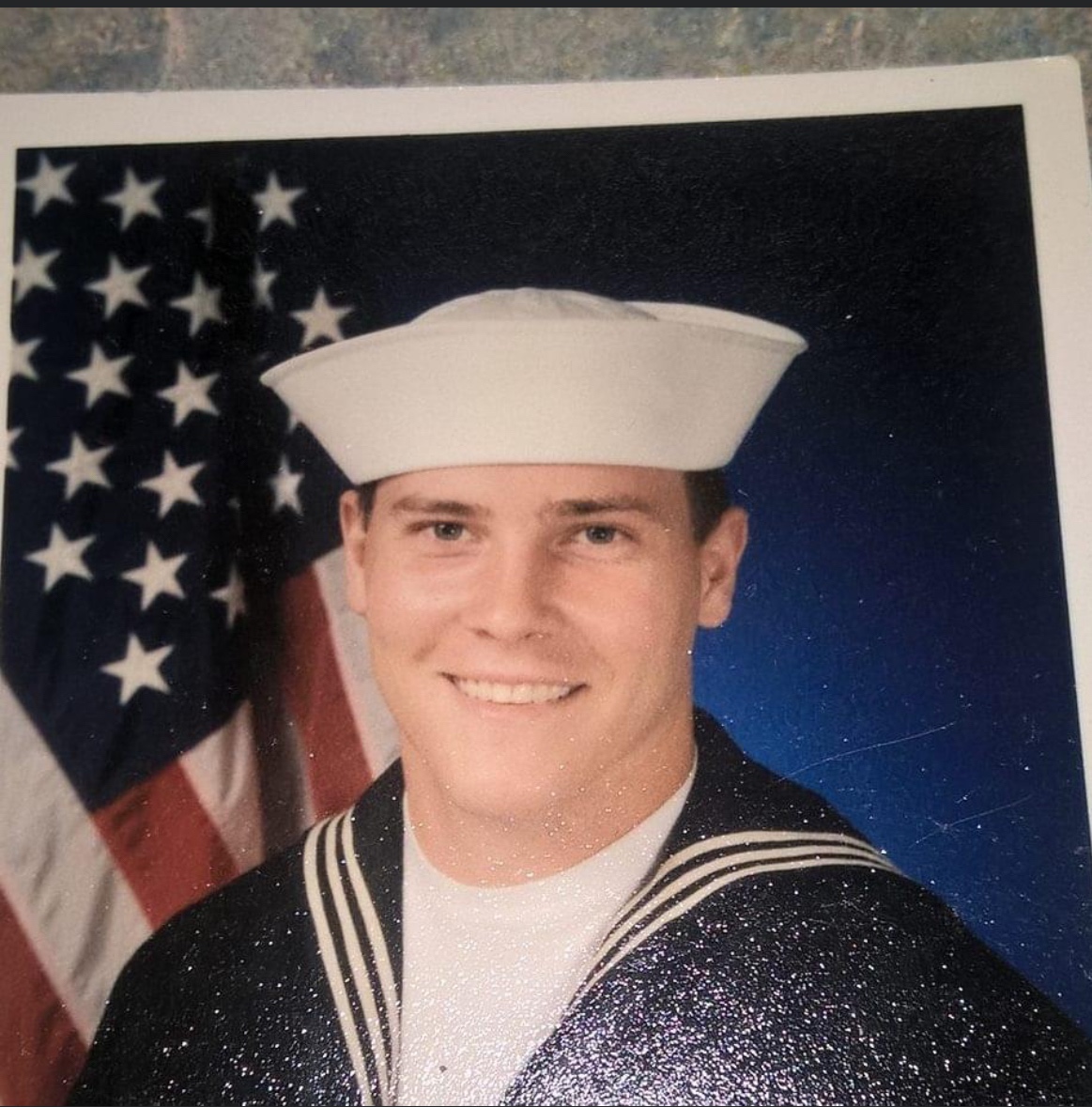
U.S. Navy