
Opening branch overview
Building the branch home surface
Loading branch highlights, featured unit context, and gallery moments.
Overview
Members
Units
Building the branch home surface
Loading branch highlights, featured unit context, and gallery moments.
Building the branch units surface
Loading unit filters, rankings, and the branch unit grid.

30 members•1 unit
Relive and share the memories of your service-time with your brothers and sisters in arms today. VetFriends.com can help you reconnect.
Did you proudly serve in the VF-103?
Are you looking for someone who is or was in the VF-103?
Do you have VF-103 photos you'd like to share?
Then join a community with your brothers and sisters of the VF-103.
Branch
U.S. Navy
Members
30
VF-103, originally established as VF-103 "Sluggers" in 1952, was a renowned United States Navy fighter squadron. The unit became famous as the "Jolly Rogers" in 1995, inheriting the iconic skull-and-crossbones insignia. Throughout its history, VF-103 flew various aircraft, most notably the F-14 Tomcat, participating in major operations such as Desert Storm and Southern Watch. In 2005, the squadron was redesignated as VFA-103, transitioning to the F/A-18F Super Hornet and continuing its distinguished legacy as a strike fighter squadron.
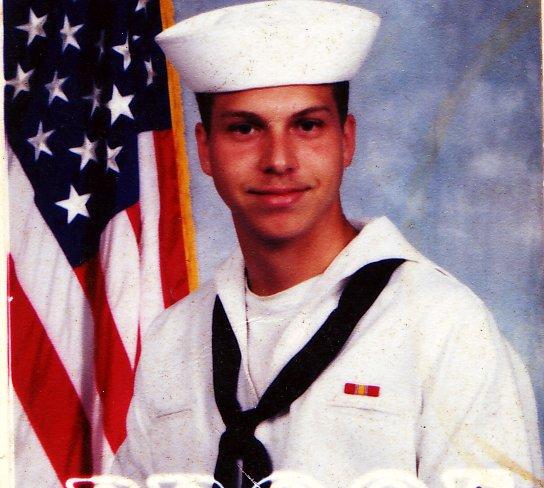
U.S. Navy