
Opening branch overview
Building the branch home surface
Loading branch highlights, featured unit context, and gallery moments.
Overview
Members
Units
Building the branch home surface
Loading branch highlights, featured unit context, and gallery moments.
Building the branch units surface
Loading unit filters, rankings, and the branch unit grid.

U.S. Navy•16 members
Relive and share the memories of your service-time with your brothers and sisters in arms today. VetFriends.com can help you reconnect.
Did you proudly serve in the VC-6?
Are you looking for someone who is or was in the VC-6?
Do you have VC-6 photos you'd like to share?
Then join a community with your brothers and sisters of the VC-6.
Fleet Composite Squadron SIX (VC-6) was a United States Navy aviation unit established on 1 November 1965. Based primarily at Naval Air Station Norfolk, VC-6 provided a variety of support roles, including aerial target services, electronic warfare simulation, and utility flights for fleet training and exercises. The squadron operated several aircraft types over its history, such as the Douglas A-4 Skyhawk and the C-12 Huron, adapting to evolving mission requirements. VC-6 was disestablished on 1 October 2008 as the Navy reorganized its support and training units.
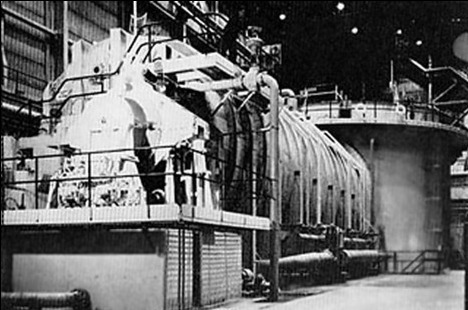
NPTU IDAHO • U.S. Navy • 1972
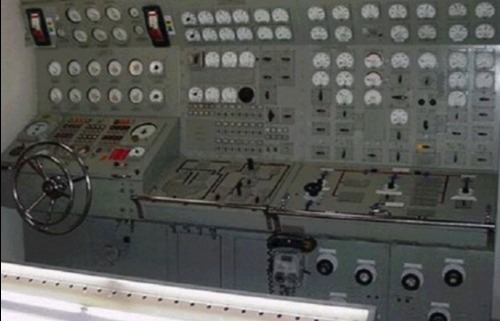
NPTU IDAHO • U.S. Navy • 1978
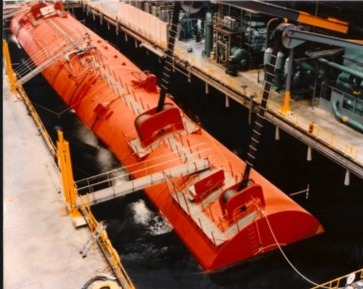
NPTU IDAHO • U.S. Navy • 1978
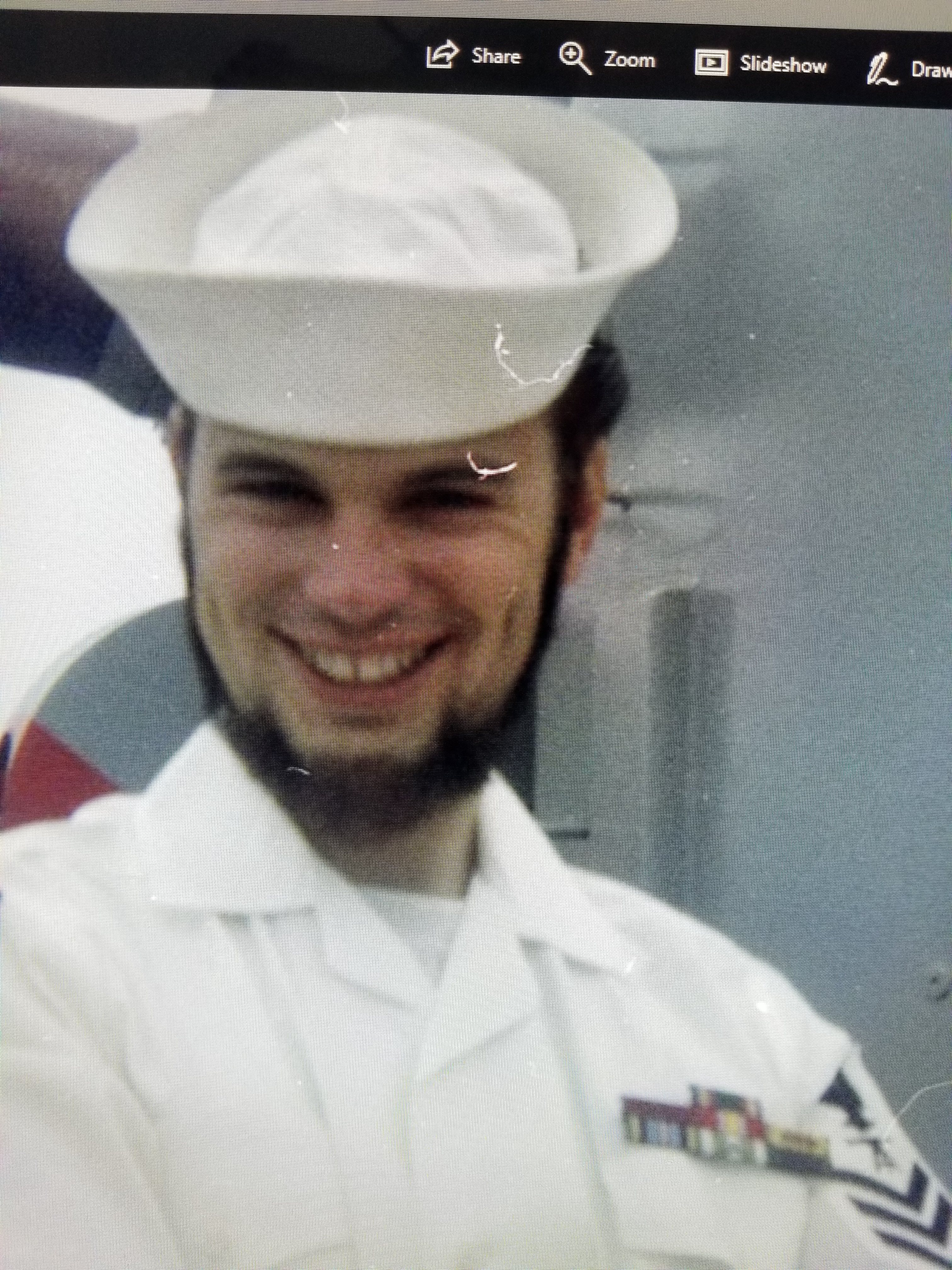
USS EDSON DD946 • U.S. Navy • 1973