
Opening branch overview
Building the branch home surface
Loading branch highlights, featured unit context, and gallery moments.
Overview
Members
Units
Building the branch home surface
Loading branch highlights, featured unit context, and gallery moments.
Building the branch units surface
Loading unit filters, rankings, and the branch unit grid.

5 members•1 unit
Relive and share the memories of your service-time with your brothers and sisters in arms today. VetFriends.com can help you reconnect.
Did you proudly serve in the VC 5 det Cubi?
Are you looking for someone who is or was in the VC 5 det Cubi?
Do you have VC 5 det Cubi photos you'd like to share?
Then join a community with your brothers and sisters of the VC 5 det Cubi.
Branch
U.S. Navy
Members
5
**VC-5 Detachment Cubi** was a unit of U.S. Navy Composite Squadron Five (VC-5), operating out of Cubi Point Naval Air Station in the Philippines during the Cold War era. The detachment was responsible for providing aerial target towing, electronic warfare training, and fleet support services to U.S. Navy and allied forces in the Western Pacific. Utilizing a variety of aircraft such as the A-3 Skywarrior and later the TA-4J Skyhawk, VC-5 Det Cubi played a vital role in maintaining fleet readiness and supporting exercises and operations throughout Southeast Asia. The unit was an essential part of the Navy’s forward-deployed air operations until the drawdown of U.S. bases in the Philippines in the early 1990s.
U.S. Navy
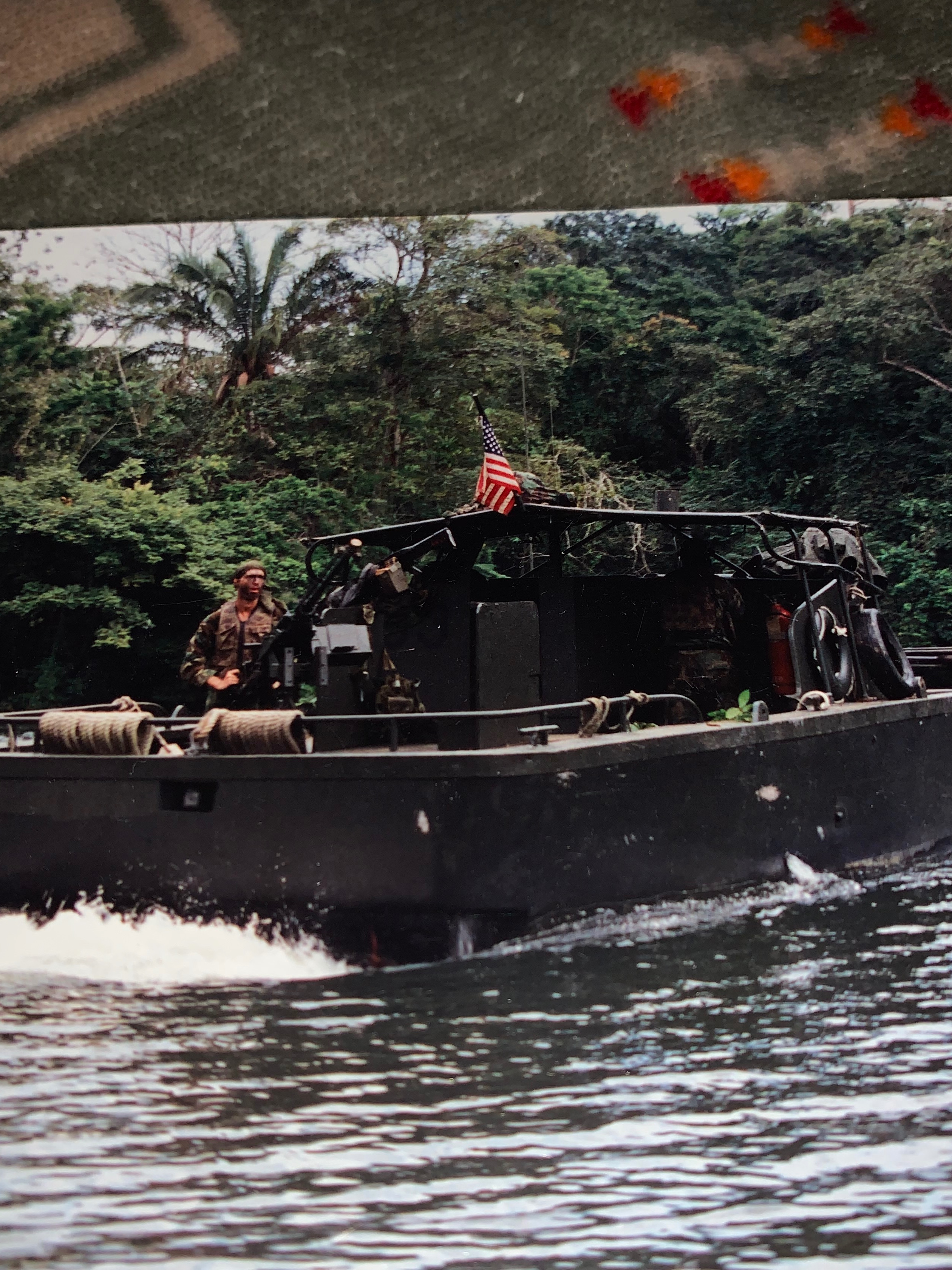
U.S. Navy
U.S. Navy
U.S. Navy