
Opening branch overview
Building the branch home surface
Loading branch highlights, featured unit context, and gallery moments.
Overview
Members
Units
Building the branch home surface
Loading branch highlights, featured unit context, and gallery moments.
Building the branch units surface
Loading unit filters, rankings, and the branch unit grid.

U.S. Navy•11 members
Relive and share the memories of your service-time with your brothers and sisters in arms today. VetFriends.com can help you reconnect.
Did you proudly serve in the VC-5?
Are you looking for someone who is or was in the VC-5?
Do you have VC-5 photos you'd like to share?
Then join a community with your brothers and sisters of the VC-5.
VC-5, originally established as Composite Squadron FIVE (VC-5) by the U.S. Navy in 1948, was a pioneering unit in carrier-based airborne early warning (AEW) and electronic warfare. The squadron initially operated TBM Avenger aircraft and later transitioned to the AD Skyraider and other specialized platforms, conducting vital night attack and electronic countermeasure missions. Throughout the 1950s and into the early 1960s, VC-5 played a key role in testing and developing electronic warfare tactics for carrier operations. The squadron was eventually redesignated as VAQ-135 in 1968, continuing its legacy under a new name as part of the evolving electronic attack community.
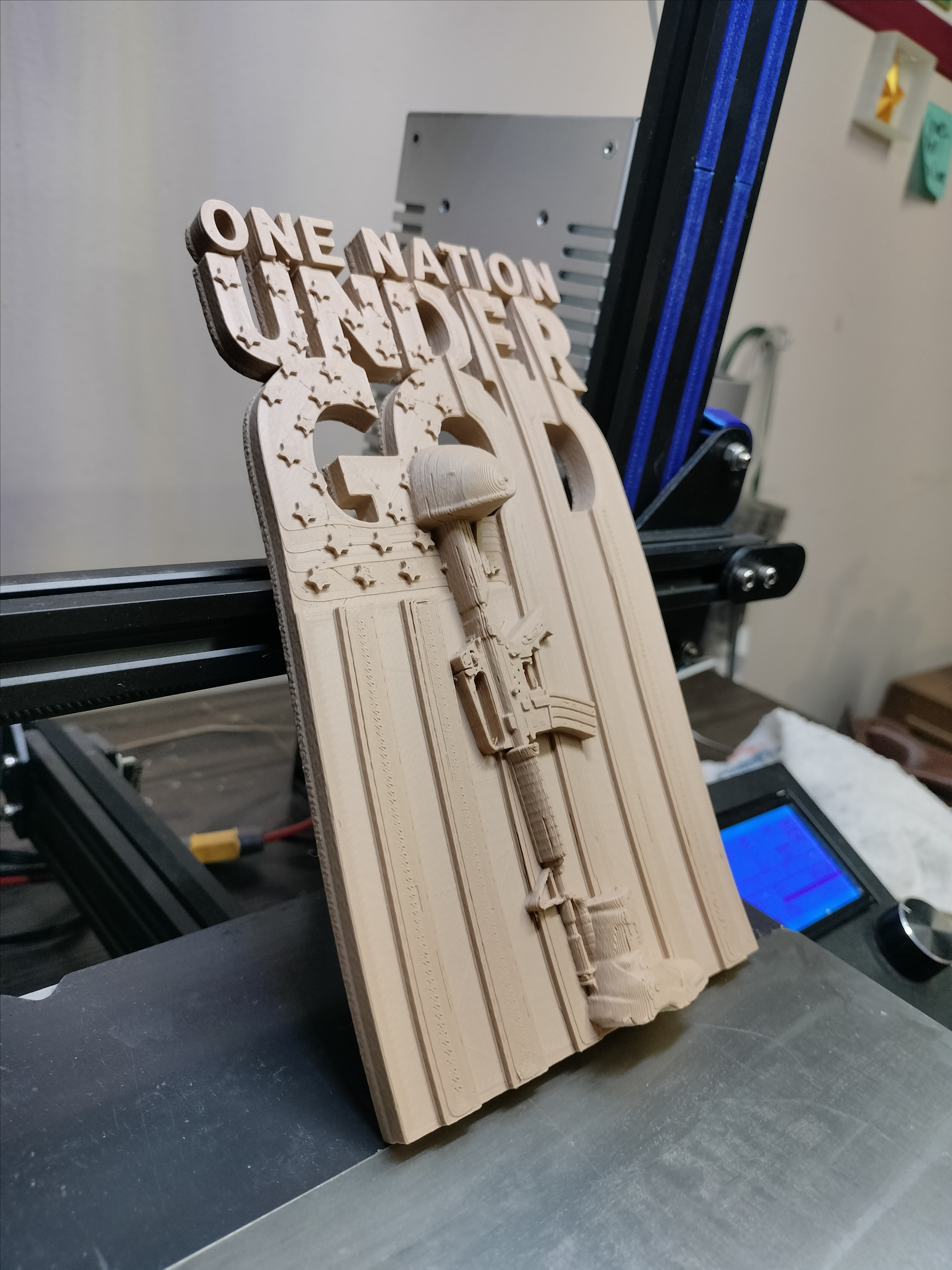
Brownwater Navy Vietnam • U.S. Navy • 2023
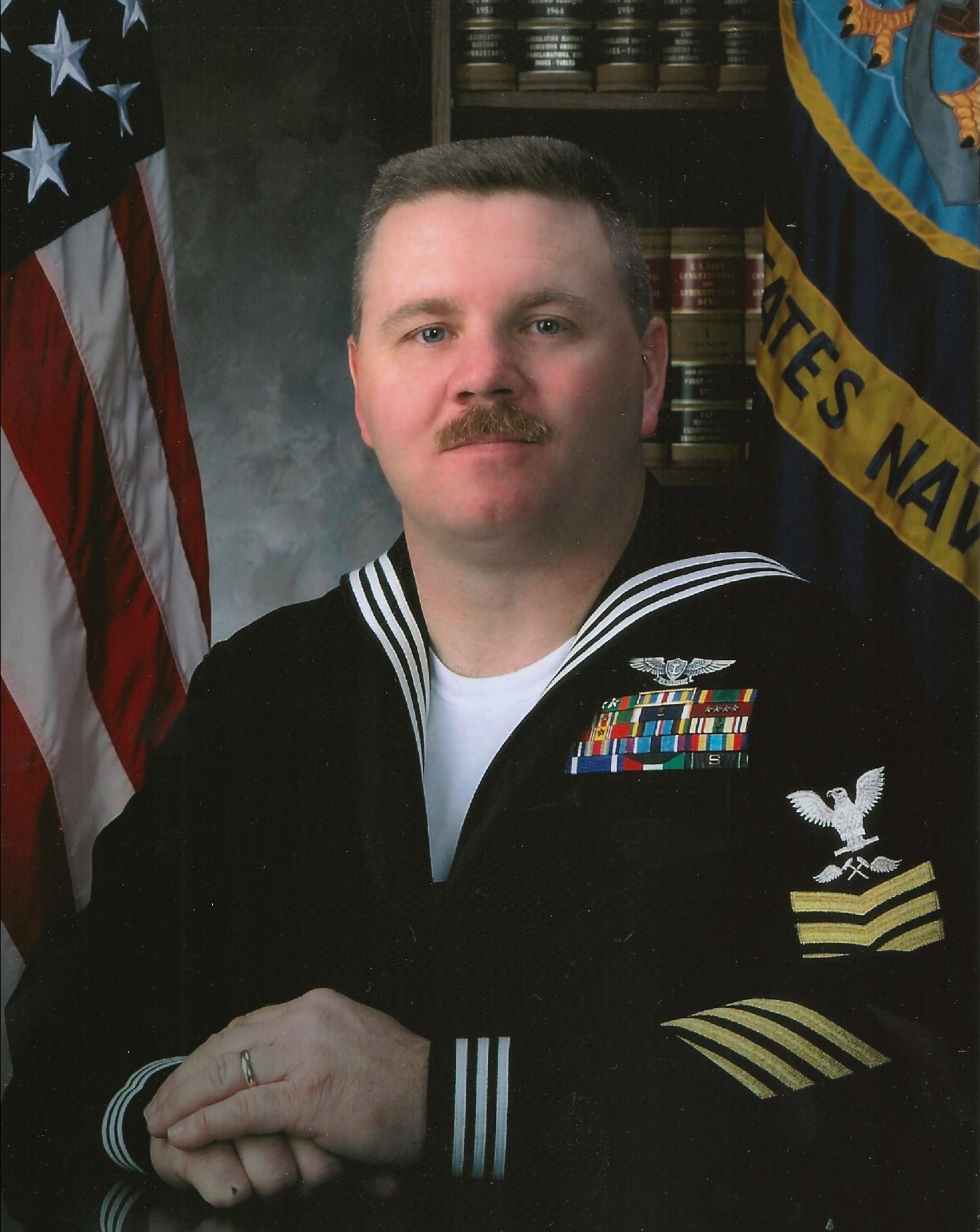
AIMD CORPUS CHRISTI • U.S. Navy • 2001
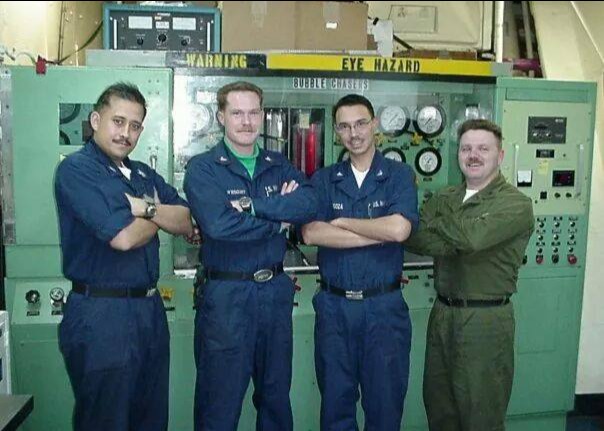
U.S. Navy
U.S. Navy