
Opening branch overview
Building the branch home surface
Loading branch highlights, featured unit context, and gallery moments.
Overview
Members
Units
Building the branch home surface
Loading branch highlights, featured unit context, and gallery moments.
Building the branch units surface
Loading unit filters, rankings, and the branch unit grid.

U.S. Navy•12 members
Relive and share the memories of your service-time with your brothers and sisters in arms today. VetFriends.com can help you reconnect.
Did you proudly serve in the VC-1?
Are you looking for someone who is or was in the VC-1?
Do you have VC-1 photos you'd like to share?
Then join a community with your brothers and sisters of the VC-1.
VC-1, or Composite Squadron One, was a United States Navy aviation unit established during World War II. Formed in 1943, VC-1 was part of the "composite squadron" concept, providing both fighter and anti-submarine capabilities aboard escort carriers. The squadron flew aircraft such as the Grumman FM-2 Wildcat and the TBM Avenger, conducting vital anti-submarine patrols and convoy protection missions in the Atlantic theater. VC-1 contributed to the safe passage of Allied shipping by countering the threat posed by German U-boats, playing a significant role in the Battle of the Atlantic before being disestablished in 1945.
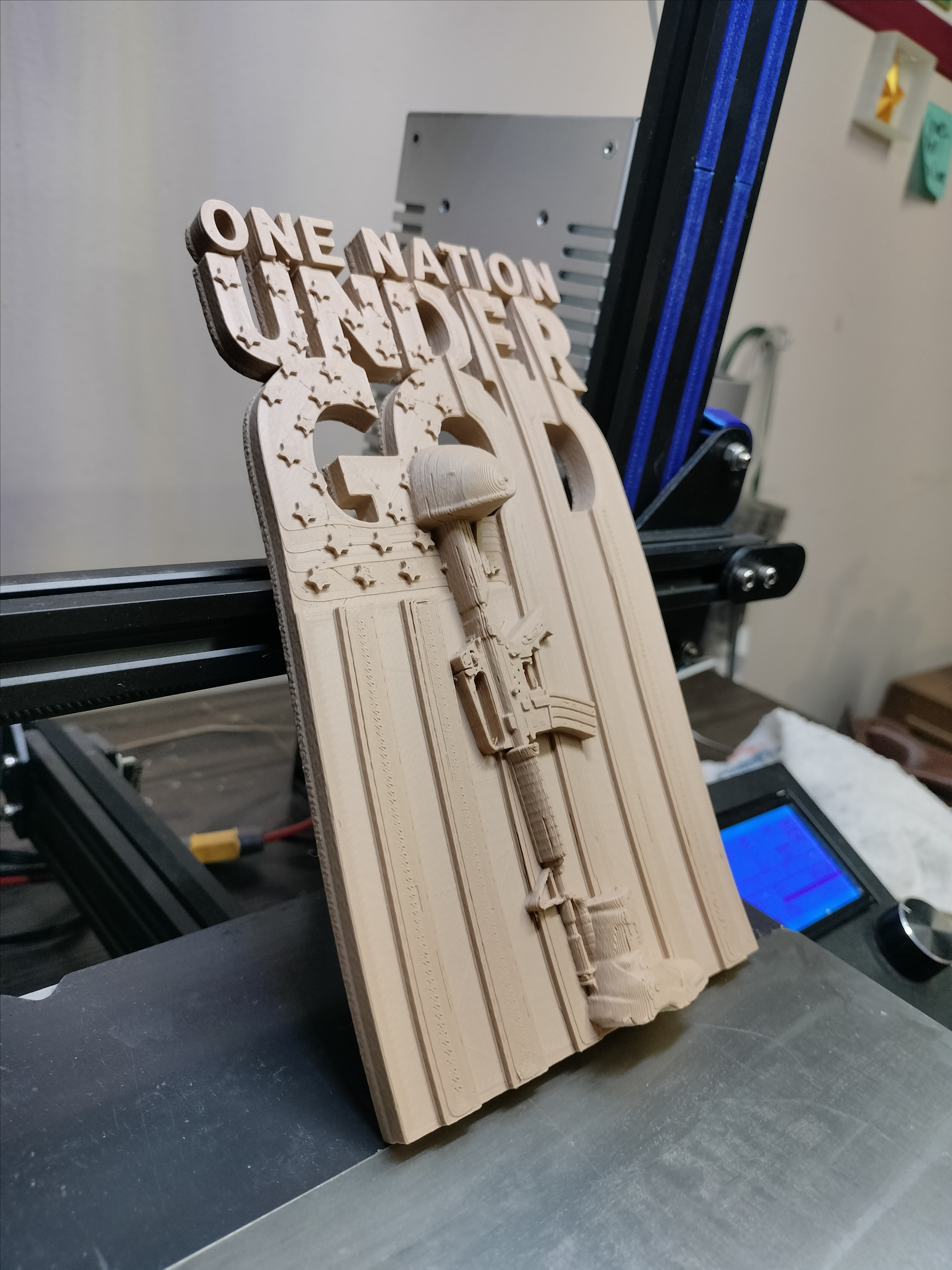
Brownwater Navy Vietnam • U.S. Navy • 2023
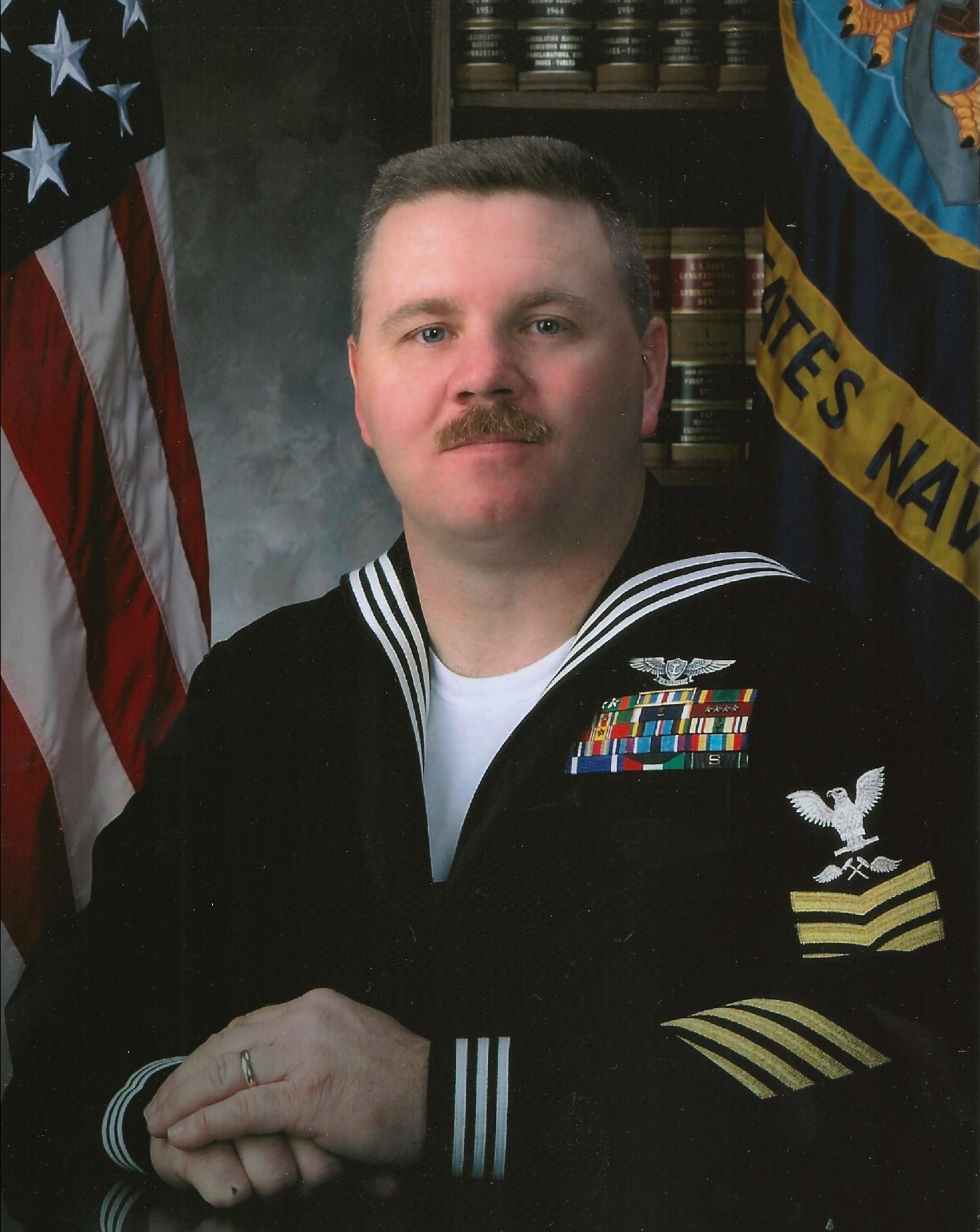
AIMD CORPUS CHRISTI • U.S. Navy • 2001
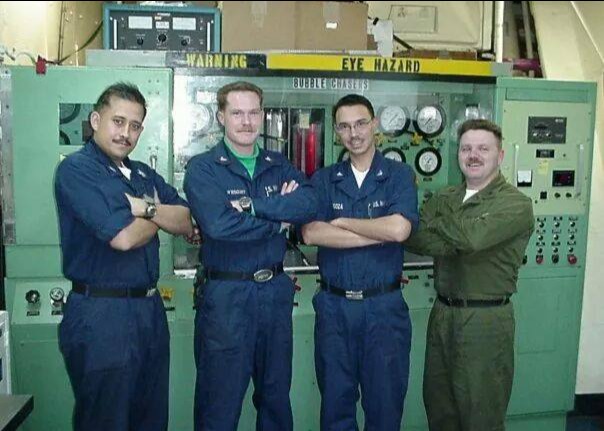
U.S. Navy
U.S. Navy