
Opening branch overview
Building the branch home surface
Loading branch highlights, featured unit context, and gallery moments.
Overview
Members
Units
Building the branch home surface
Loading branch highlights, featured unit context, and gallery moments.
Building the branch units surface
Loading unit filters, rankings, and the branch unit grid.

1 members•1 unit
Relive and share the memories of your service-time with your brothers and sisters in arms today. VetFriends.com can help you reconnect.
Did you proudly serve in the VA 873?
Are you looking for someone who is or was in the VA 873?
Do you have VA 873 photos you'd like to share?
Then join a community with your brothers and sisters of the VA 873.
Branch
U.S. Navy
Members
1
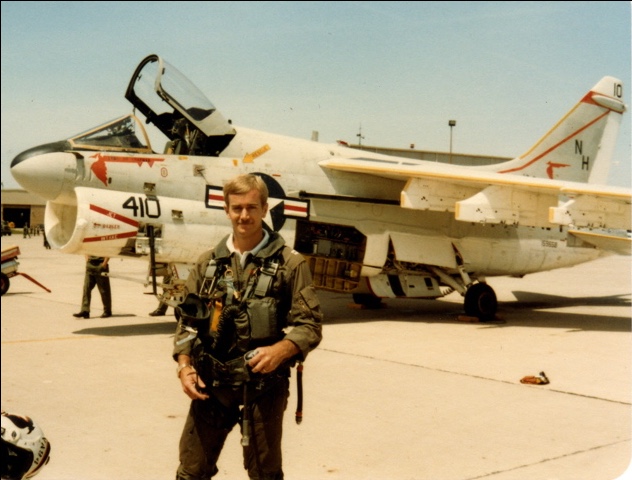
VA-873, also known as Attack Squadron 873, was a United States Navy reserve attack squadron established during the Korean War era. The squadron was activated in July 1950 in response to increased military needs and was primarily equipped with the Douglas AD Skyraider attack aircraft. VA-873 conducted training and operational missions, preparing for carrier-based strike operations and supporting fleet exercises. The squadron was deactivated in February 1959 as part of a postwar restructuring of naval aviation forces.
U.S. Navy

U.S. Navy

U.S. Navy
U.S. Navy