
Opening branch overview
Building the branch home surface
Loading branch highlights, featured unit context, and gallery moments.
Overview
Members
Units
Building the branch home surface
Loading branch highlights, featured unit context, and gallery moments.
Building the branch units surface
Loading unit filters, rankings, and the branch unit grid.

4 members•1 unit
Relive and share the memories of your service-time with your brothers and sisters in arms today. VetFriends.com can help you reconnect.
Did you proudly serve in the V6?
Are you looking for someone who is or was in the V6?
Do you have V6 photos you'd like to share?
Then join a community with your brothers and sisters of the V6.
Branch
U.S. Navy
Members
4
**V6** was a designation used by the United States Navy during World War II for the Naval Reserve’s Volunteer Specialist Branch. Established in the early 1940s, the V6 unit was composed of enlisted personnel who possessed specialized civilian skills—such as engineering, communications, and technical trades—that were critical to the war effort. Members of V6 served primarily in support roles both stateside and overseas, ensuring the Navy’s operations were efficient and well-supplied. After World War II, the V6 classification was discontinued as the Navy reorganized its reserve and specialist programs for the postwar era.
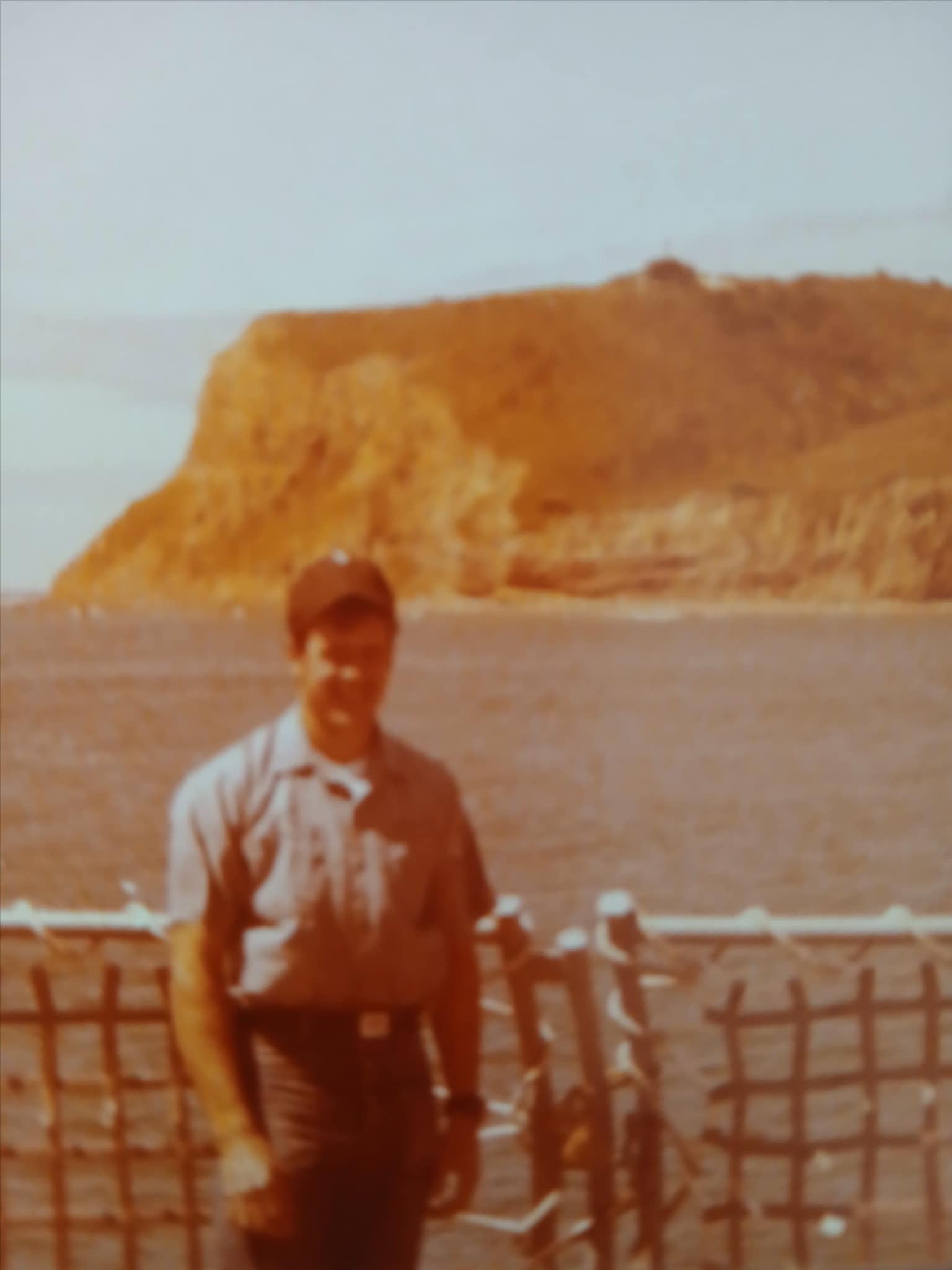
U.S. Navy
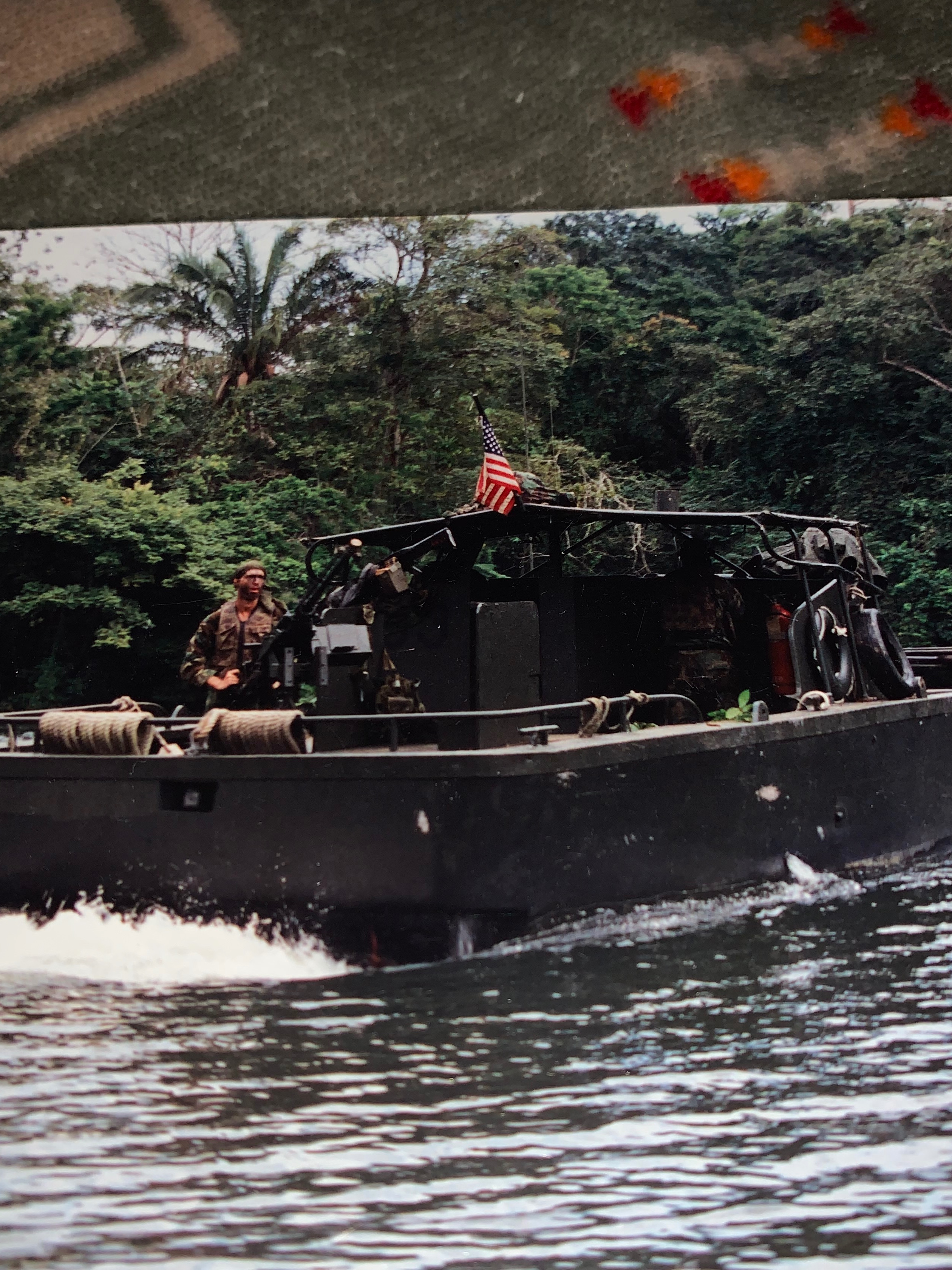
U.S. Navy
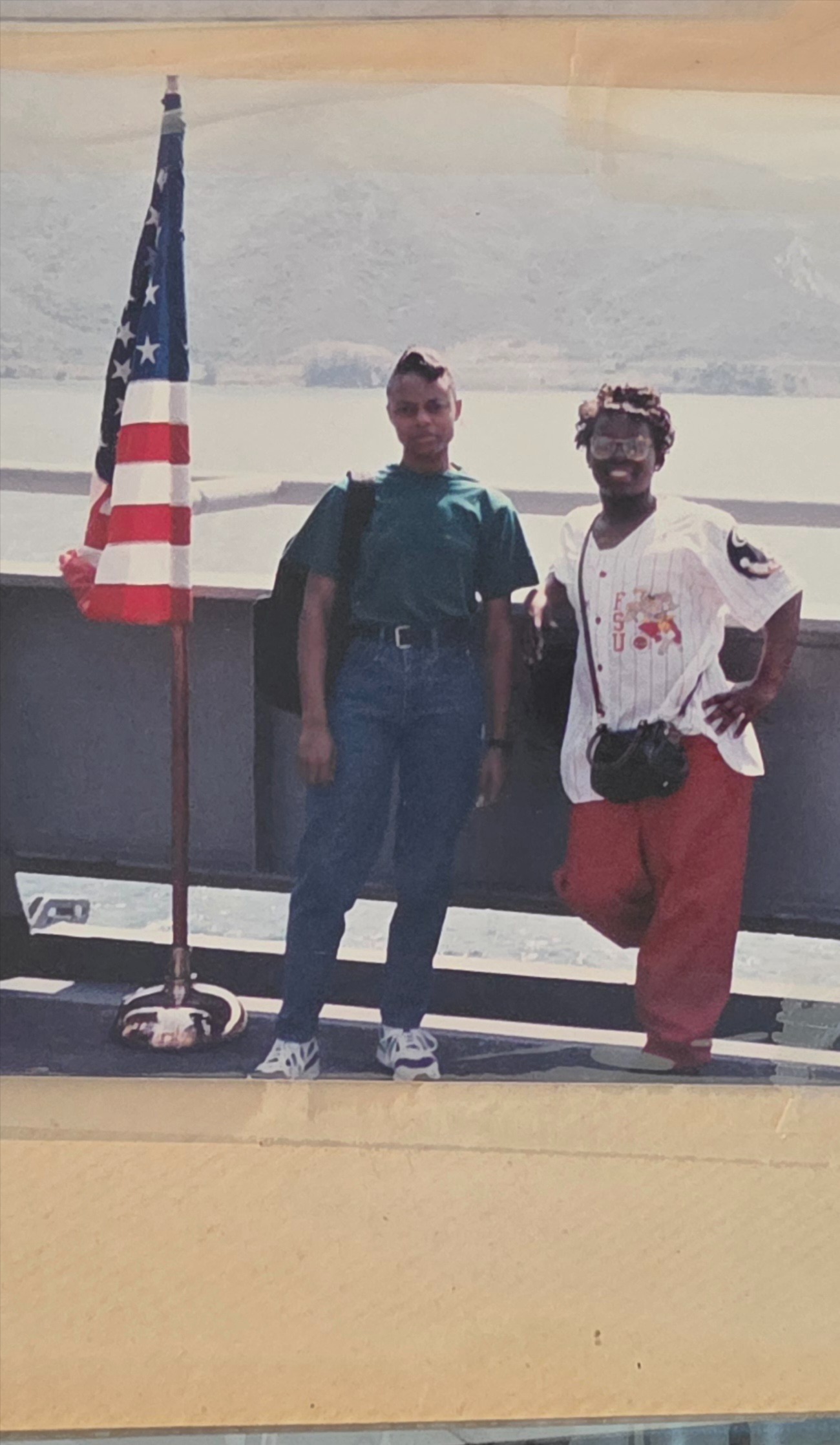
U.S. Navy
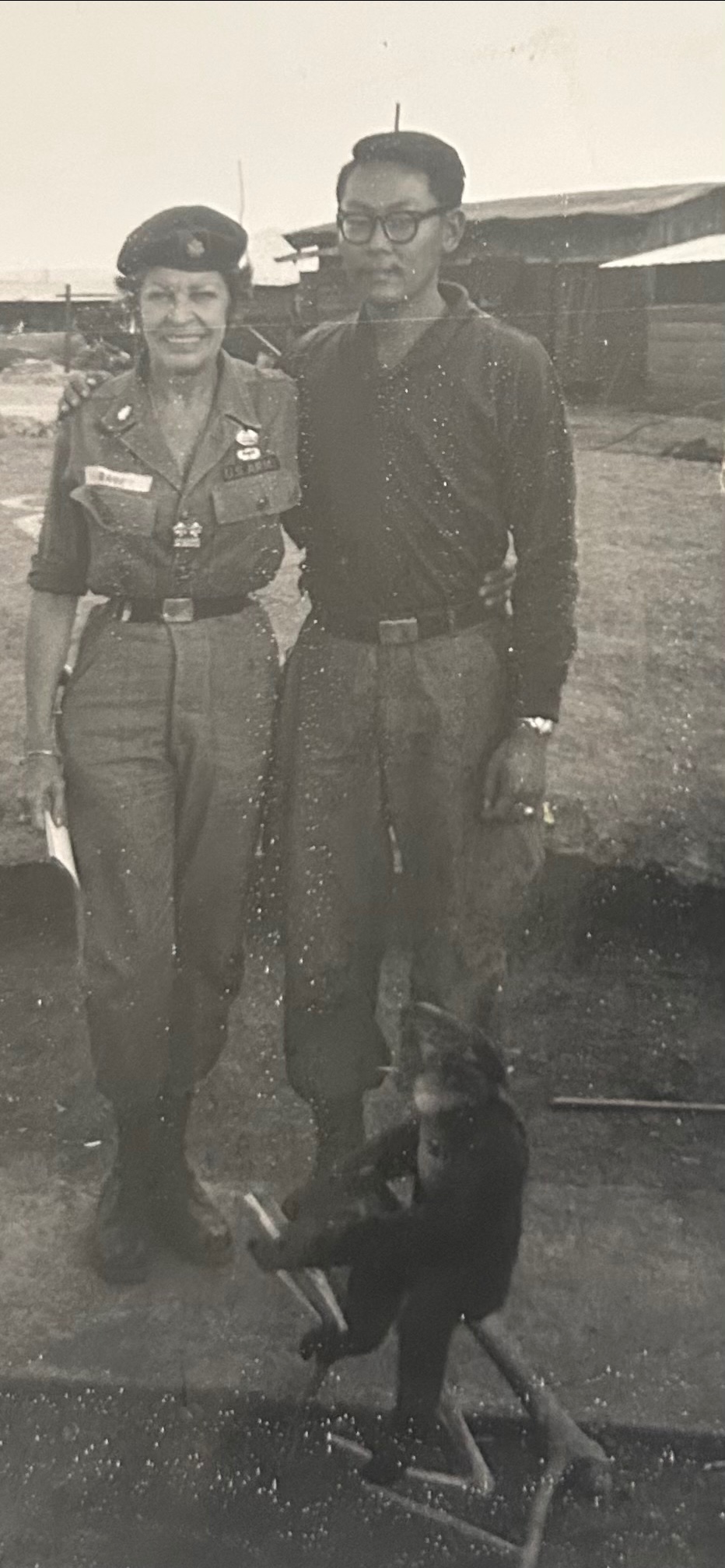
U.S. Navy