
Opening branch overview
Building the branch home surface
Loading branch highlights, featured unit context, and gallery moments.
Overview
Members
Units
Building the branch home surface
Loading branch highlights, featured unit context, and gallery moments.
Building the branch units surface
Loading unit filters, rankings, and the branch unit grid.

4 members•1 unit
Relive and share the memories of your service-time with your brothers and sisters in arms today. VetFriends.com can help you reconnect.
Did you proudly serve in the V-6,USNR?
Are you looking for someone who is or was in the V-6,USNR?
Do you have V-6,USNR photos you'd like to share?
Then join a community with your brothers and sisters of the V-6,USNR.
Branch
U.S. Navy
Members
4
The V-6, USNR (United States Naval Reserve), also known as the "General Service and Specialist" branch, was established during World War II to rapidly expand the Navy’s manpower. Created in 1942, the V-6 program allowed men to enlist in the Naval Reserve for general service or specialized technical roles, often before being called to active duty for training and deployment. Members of V-6 served in a wide range of positions, from combat operations to vital support and technical roles on ships, bases, and naval installations worldwide. The V-6 Reserve contributed significantly to the Navy's wartime expansion and success, and after WWII, many V-6 reservists were demobilized as the Navy downsized.

1ST MEDICAL BATTALION • U.S. Navy • 1983
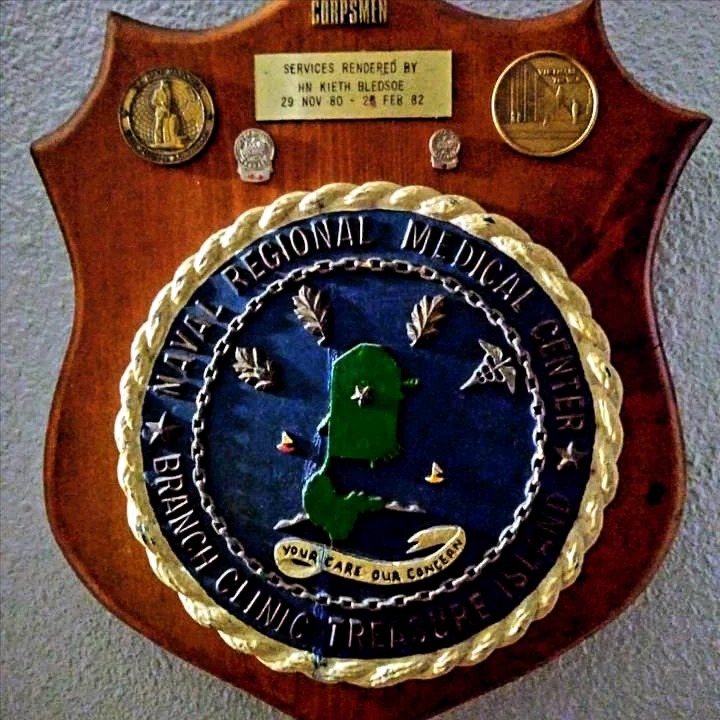
NAVAL REGIONAL MEDICAL CENTER OAKLAND, CA • U.S. Navy • 1980
U.S. Navy

U.S. Navy