
Opening branch overview
Building the branch home surface
Loading branch highlights, featured unit context, and gallery moments.
Overview
Members
Units
Building the branch home surface
Loading branch highlights, featured unit context, and gallery moments.
Building the branch units surface
Loading unit filters, rankings, and the branch unit grid.

2 members•1 unit
Relive and share the memories of your service-time with your brothers and sisters in arms today. VetFriends.com can help you reconnect.
Did you proudly serve in the USStratcom. Fort Ritchie, MD?
Are you looking for someone who is or was in the USStratcom. Fort Ritchie, MD?
Do you have USStratcom. Fort Ritchie, MD photos you'd like to share?
Then join a community with your brothers and sisters of the USStratcom. Fort Ritchie, MD.
Branch
U.S. Navy
Members
2
**United States Strategic Command (USSTRATCOM) at Fort Ritchie, Maryland, was a key component of America's Cold War defense infrastructure. Established in the mid-20th century, Fort Ritchie served as a vital communications and operations center, supporting the command and control of strategic nuclear forces. The installation housed various units responsible for secure communications, intelligence, and planning, contributing to the nation's nuclear deterrence capabilities. Although USSTRATCOM's primary headquarters is now located at Offutt Air Force Base, Nebraska, Fort Ritchie played an important historical role in the evolution of strategic command and control during its years of operation.**

U.S. Navy
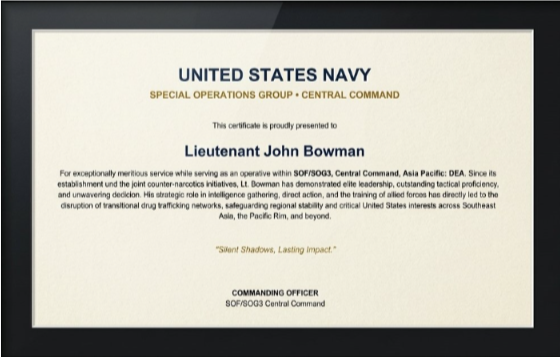
U.S. Navy
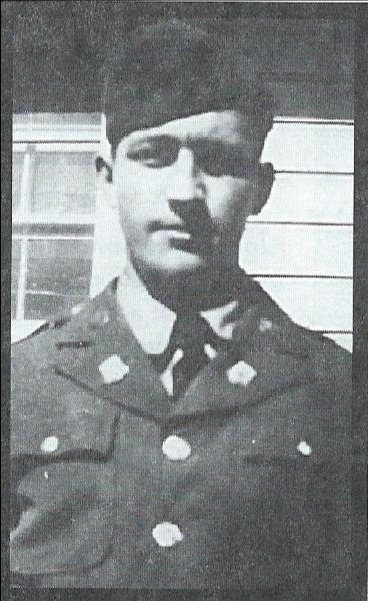
U.S. Navy
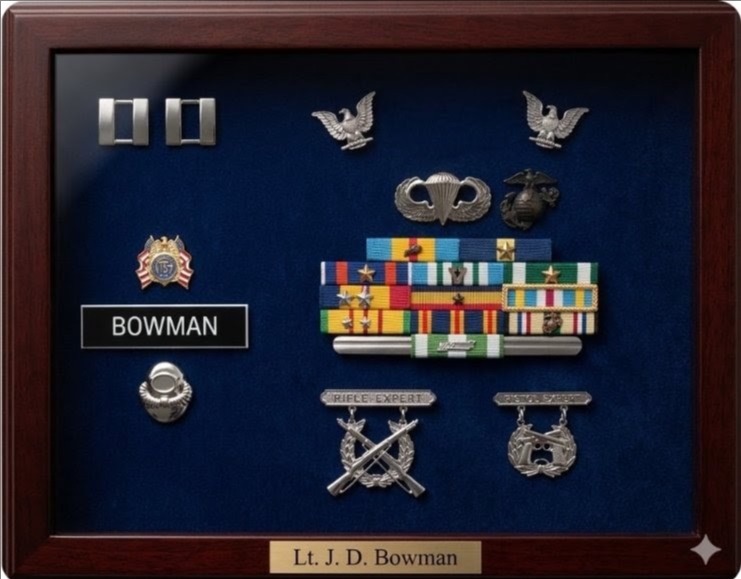
U.S. Navy