
Opening branch overview
Building the branch home surface
Loading branch highlights, featured unit context, and gallery moments.
Overview
Members
Units
Building the branch home surface
Loading branch highlights, featured unit context, and gallery moments.
Building the branch units surface
Loading unit filters, rankings, and the branch unit grid.

1 members•1 unit
Relive and share the memories of your service-time with your brothers and sisters in arms today. VetFriends.com can help you reconnect.
Did you proudly serve in the USSAG Thailand?
Are you looking for someone who is or was in the USSAG Thailand?
Do you have USSAG Thailand photos you'd like to share?
Then join a community with your brothers and sisters of the USSAG Thailand.
Branch
U.S. Navy
Members
1
The United States Support Activities Group, Thailand (USSAG/THAI), was established in 1972 during the Vietnam War to coordinate U.S. air operations based in Thailand. Headquartered at Nakhon Phanom Royal Thai Air Force Base, USSAG oversaw the strategic bombing campaigns in North Vietnam, Laos, and Cambodia following the withdrawal of U.S. forces from South Vietnam. The unit played a crucial role in Operation Linebacker and Operation Linebacker II, providing vital command and control for air operations. USSAG/THAI was disbanded in 1975 following the end of U.S. combat operations in Southeast Asia.

U.S. Navy
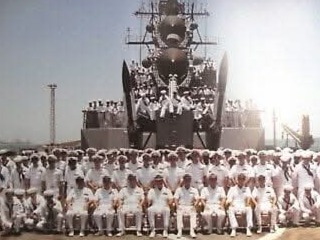
Dahlgrenddg43 • U.S. Navy • 1990
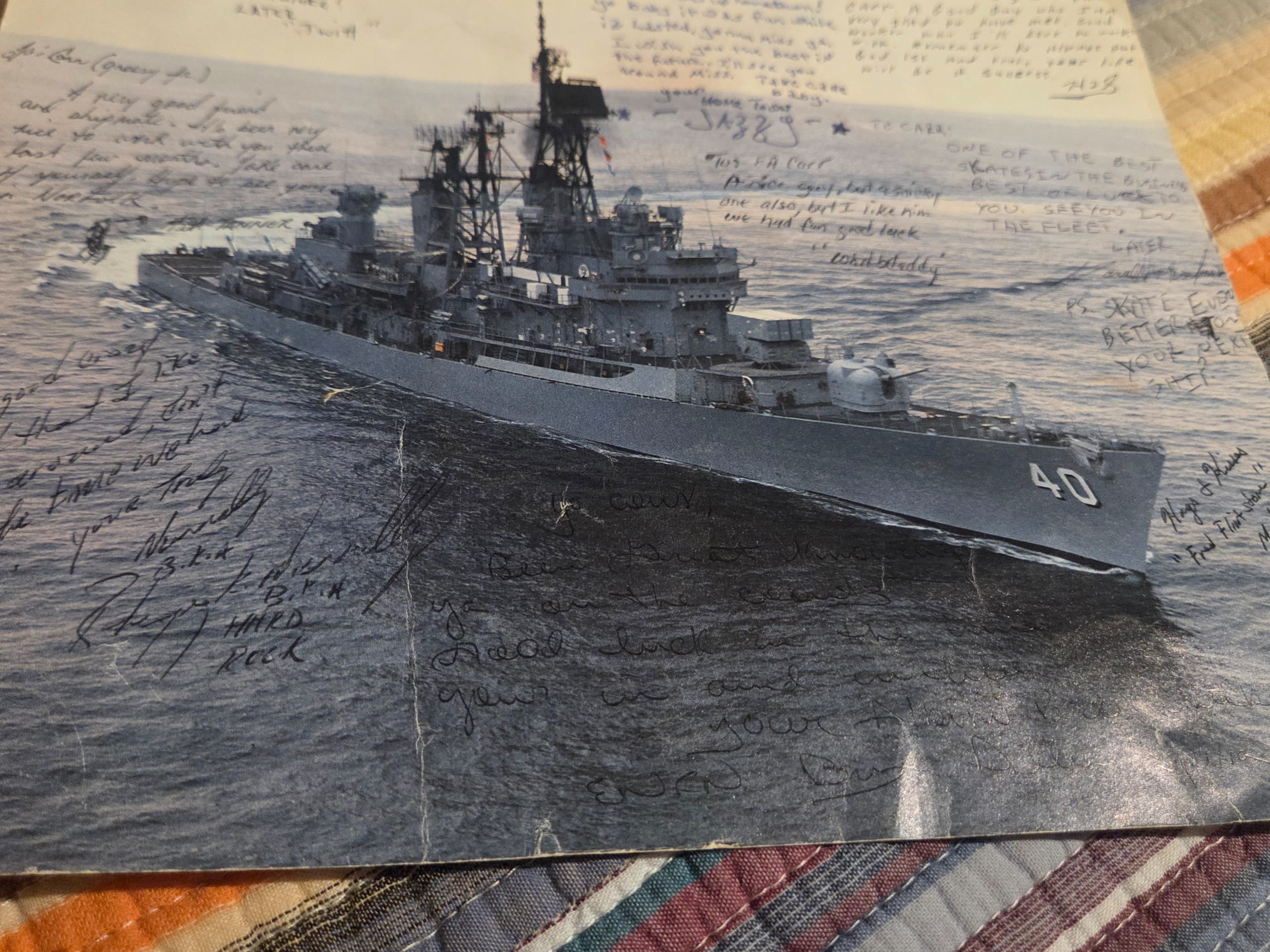
Coontz ddg 40 • U.S. Navy • 1989
Coontz ddg 40 • U.S. Navy • 1988