
Opening branch overview
Building the branch home surface
Loading branch highlights, featured unit context, and gallery moments.
Overview
Members
Units
Building the branch home surface
Loading branch highlights, featured unit context, and gallery moments.
Building the branch units surface
Loading unit filters, rankings, and the branch unit grid.

1 members•1 unit
Relive and share the memories of your service-time with your brothers and sisters in arms today. VetFriends.com can help you reconnect.
Did you proudly serve in the USSA-I?
Are you looking for someone who is or was in the USSA-I?
Do you have USSA-I photos you'd like to share?
Then join a community with your brothers and sisters of the USSA-I.
Branch
U.S. Navy
Members
1
**USSA-I** (United States Strategic Army - International) is a fictional military unit, as there is no historical record of such a formation in real-world military history. However, for creative or scenario-building purposes: The USSA-I was established in 2021 as a rapid deployment force specializing in multinational operations under United Nations mandates. Drawing personnel and resources from various branches of the U.S. military, it quickly distinguished itself in joint peacekeeping missions across Africa and Eastern Europe. The unit became renowned for its interoperability with allied forces and its expertise in civil-military coordination during disaster relief and stabilization operations. By 2024, USSA-I had become a model for future international military cooperation initiatives, embodying the principles of coalition warfare and humanitarian engagement.
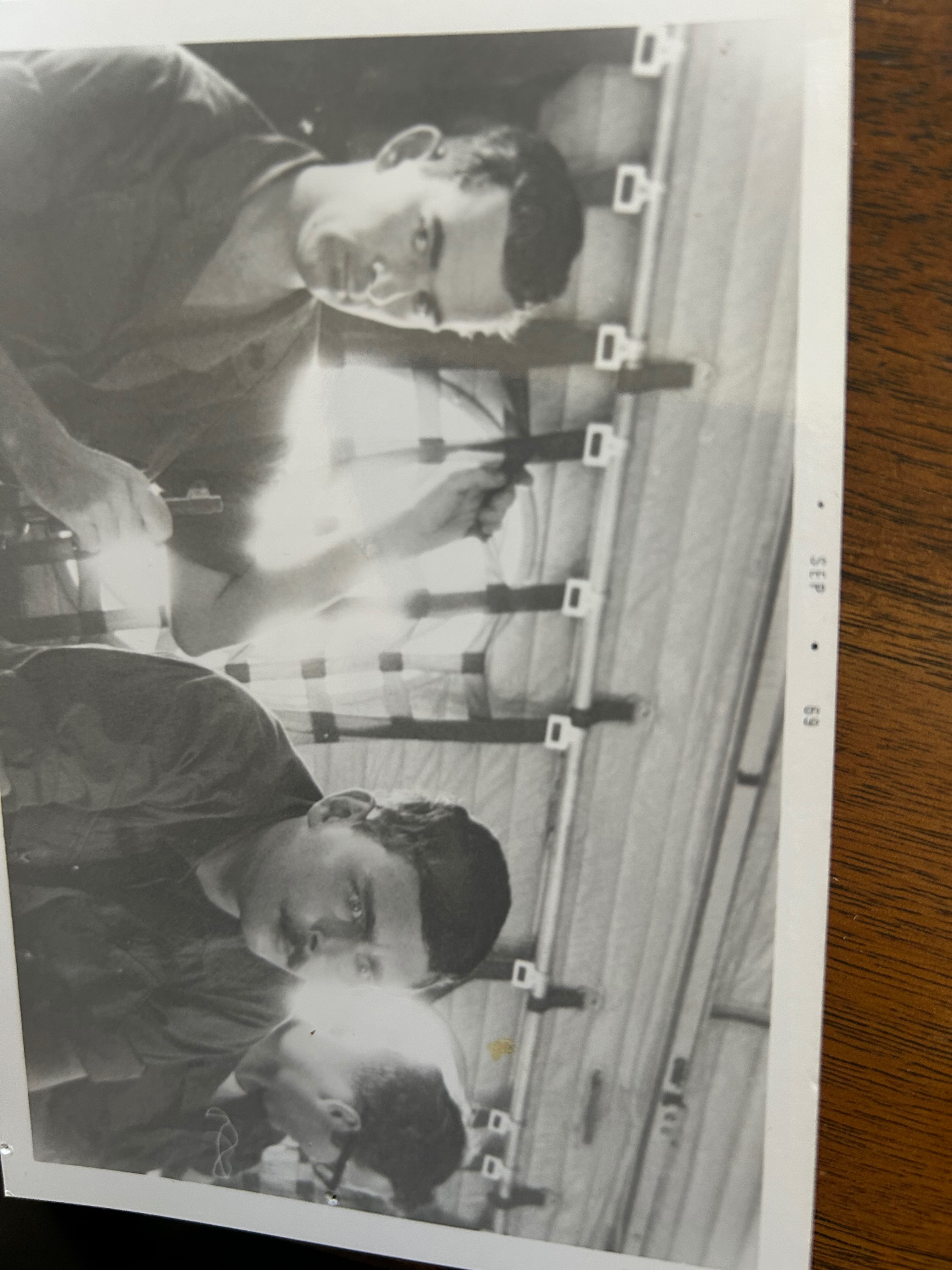
MILPHAP N-4 • U.S. Navy • 1968
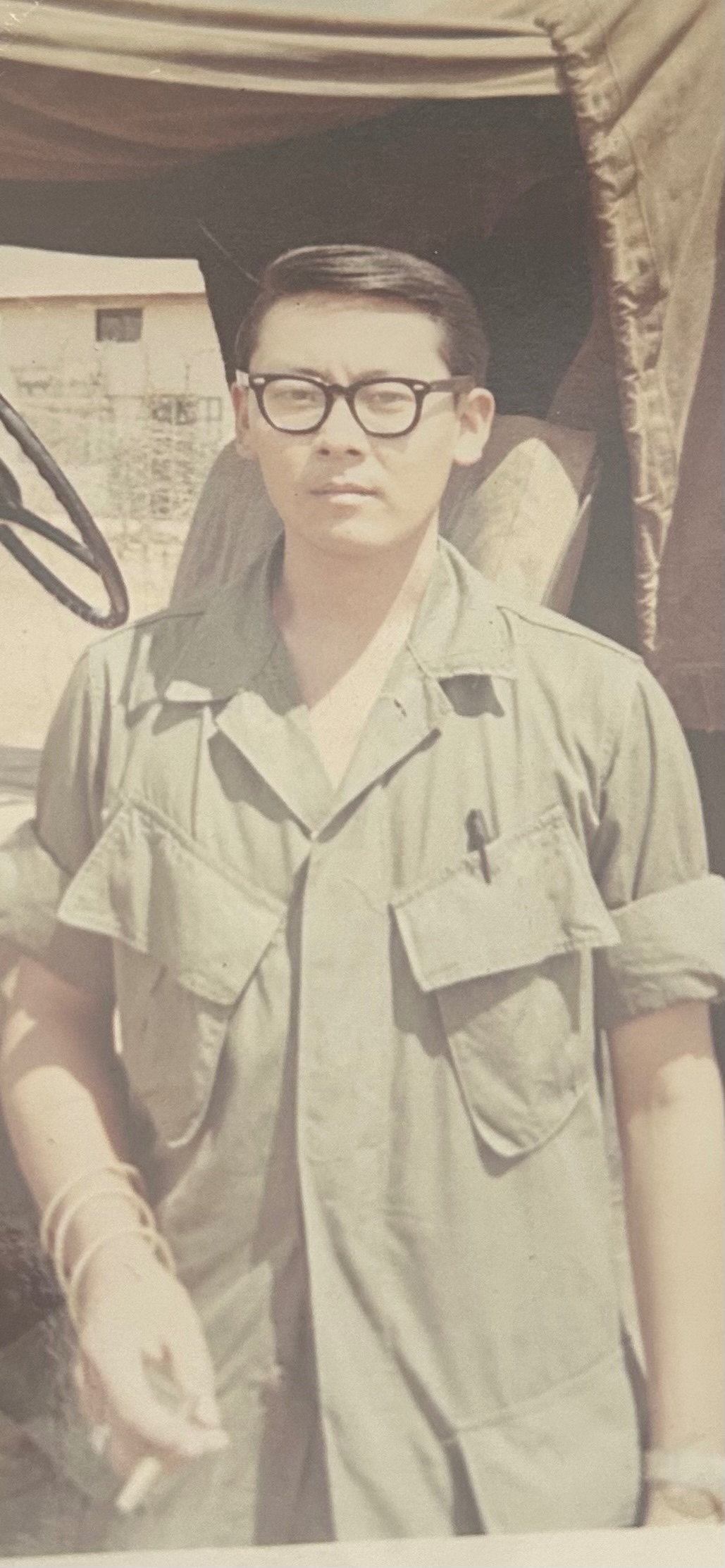
MILPHAP N-4 • U.S. Navy • 1968
U.S. Navy • 1968
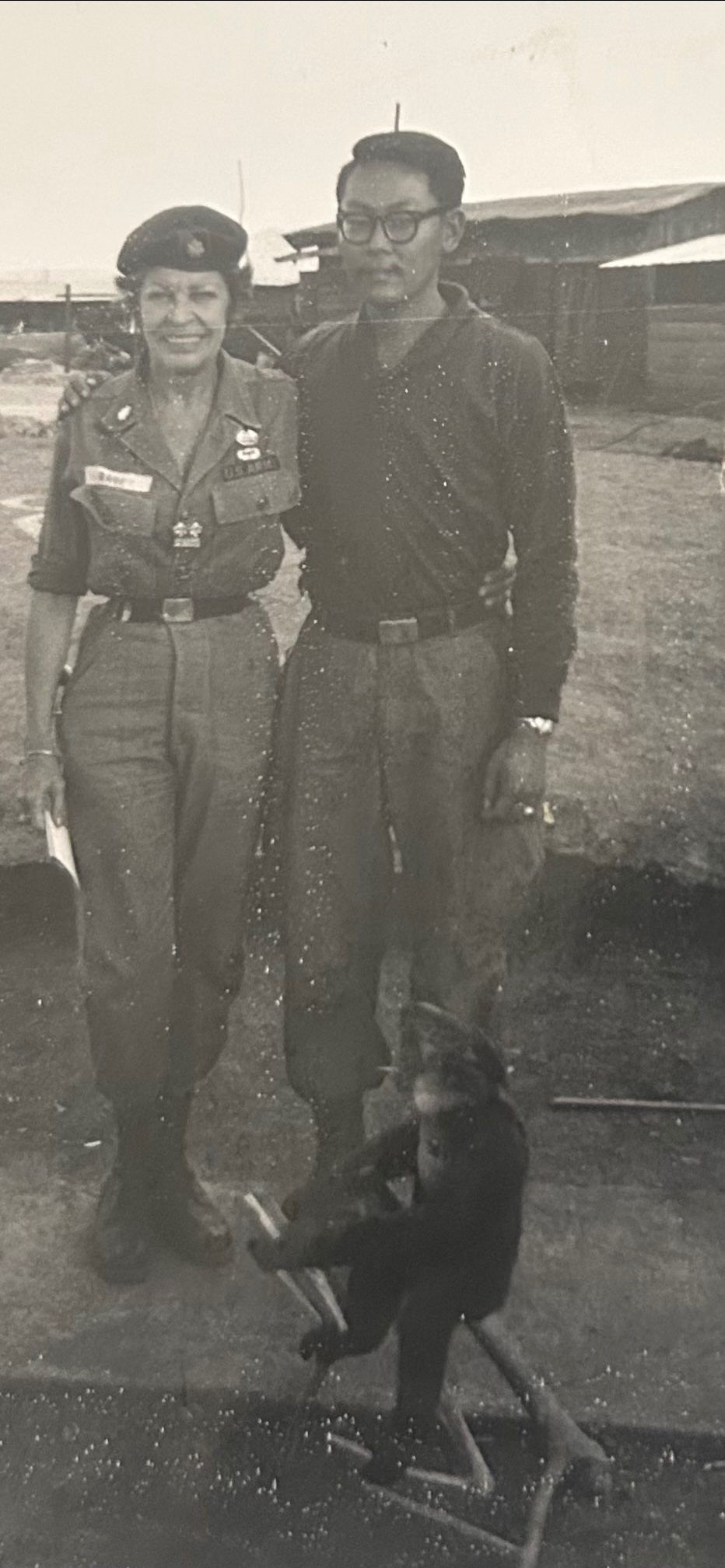
U.S. Navy • 1968