
Opening branch overview
Building the branch home surface
Loading branch highlights, featured unit context, and gallery moments.
Overview
Members
Units
Building the branch home surface
Loading branch highlights, featured unit context, and gallery moments.
Building the branch units surface
Loading unit filters, rankings, and the branch unit grid.
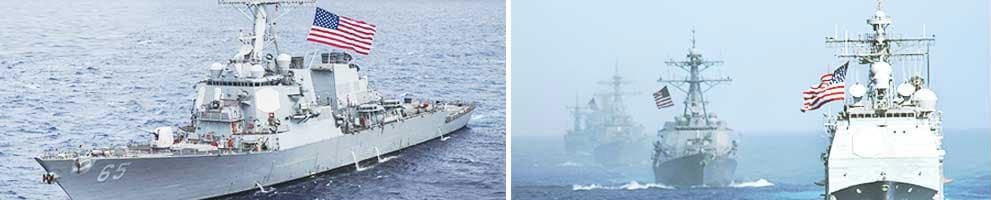
37 members•1 unit
Relive and share the memories of your service-time with your brothers and sisters in arms today. VetFriends.com can help you reconnect.
Did you proudly serve in the USS Whitehall PCE-856 & LST Squadron 9?
Are you looking for someone who is or was in the USS Whitehall PCE-856 & LST Squadron 9?
Do you have USS Whitehall PCE-856 & LST Squadron 9 photos you'd like to share?
Then join a community with your brothers and sisters of the USS Whitehall PCE-856 & LST Squadron 9.
Branch
U.S. Navy
Members
37
**USS Whitehall (PCE-856)** was a PCE-842-class patrol craft escort commissioned by the United States Navy during World War II. Launched in 1943, she primarily performed convoy escort duties and anti-submarine patrols in the Atlantic and Caribbean theaters, safeguarding vital Allied shipping from enemy submarines. In the later stages of the war, she also supported training and coastal defense operations before being decommissioned in 1946. **LST Squadron 9** was a U.S. Navy amphibious squadron composed of Landing Ship, Tanks (LSTs), which played a significant role in the Pacific Theater during World War II. The squadron participated in numerous amphibious landings, including the campaigns in the Philippines and Borneo, enabling the rapid deployment of troops, vehicles, and supplies onto hostile beaches. Their contributions were instrumental in the success of Allied island-hopping operations.
U.S. Navy
U.S. Navy • 2015
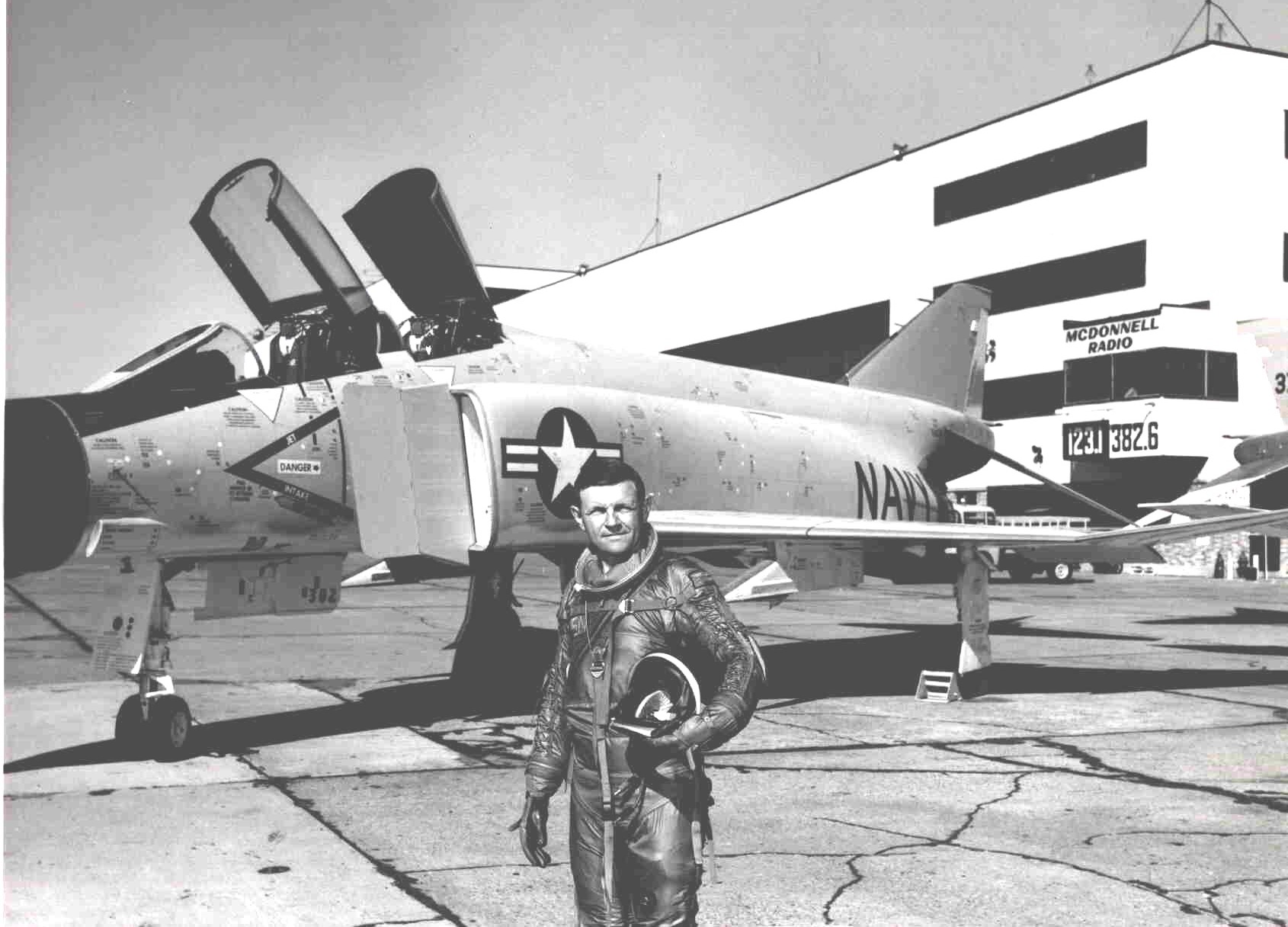
U.S. Navy • 1962
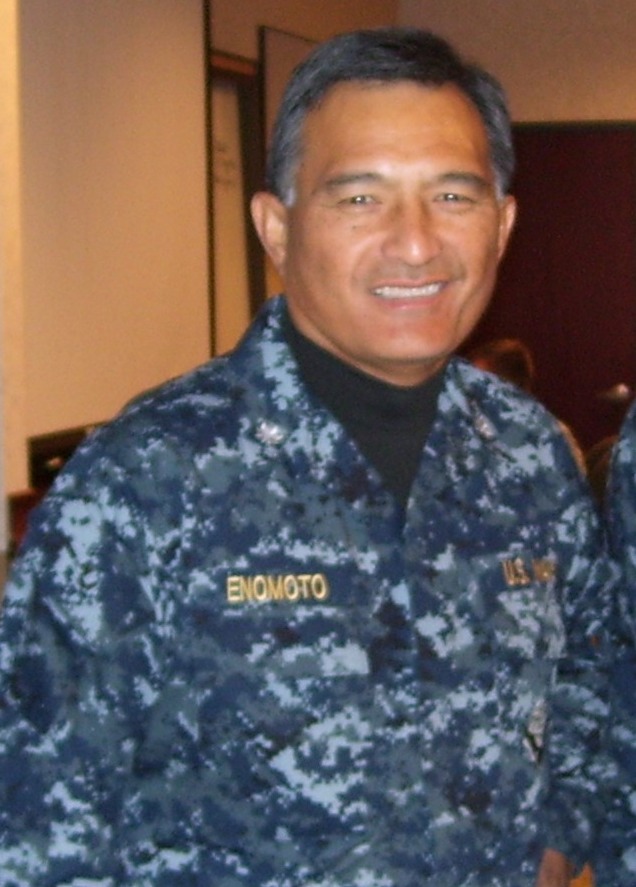
U.S. Navy • 2010