Over 3,064,780 active members
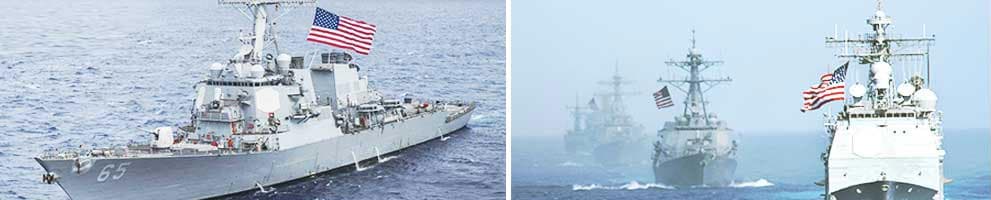
U.S. Navy•1 members
Relive and share the memories of your service-time with your brothers and sisters in arms today. VetFriends.com can help you reconnect.
Did you proudly serve in the USS Stark County (LST 1134)?
Are you looking for someone who is or was in the USS Stark County (LST 1134)?
Do you have USS Stark County (LST 1134) photos you'd like to share?
Then join a community with your brothers and sisters of the USS Stark County (LST 1134).
Branch
U.S. Navy
Members
1
USS Stark County (LST-1134) was a tank landing ship of the United States Navy, commissioned in 1945 near the end of World War II. Although too late for major combat in WWII, she served in the Asiatic-Pacific Theater and later participated in postwar occupation duties in the Far East. During the Korean War, LST-1134 provided vital support in amphibious operations, transporting troops, vehicles, and supplies. In 1955, she was renamed USS Stark County and continued her service until she was decommissioned and transferred to the Royal Thai Navy in 1966.
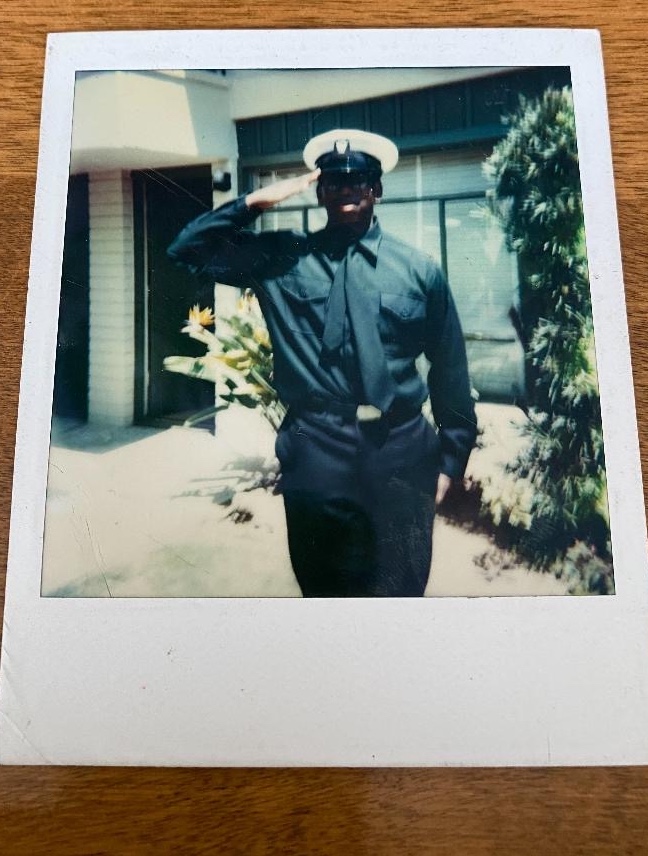
U.S. Navy • 1979
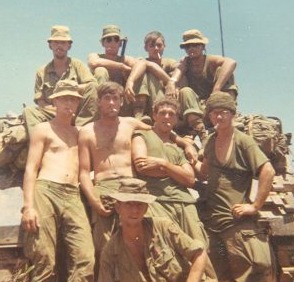
U.S. Navy
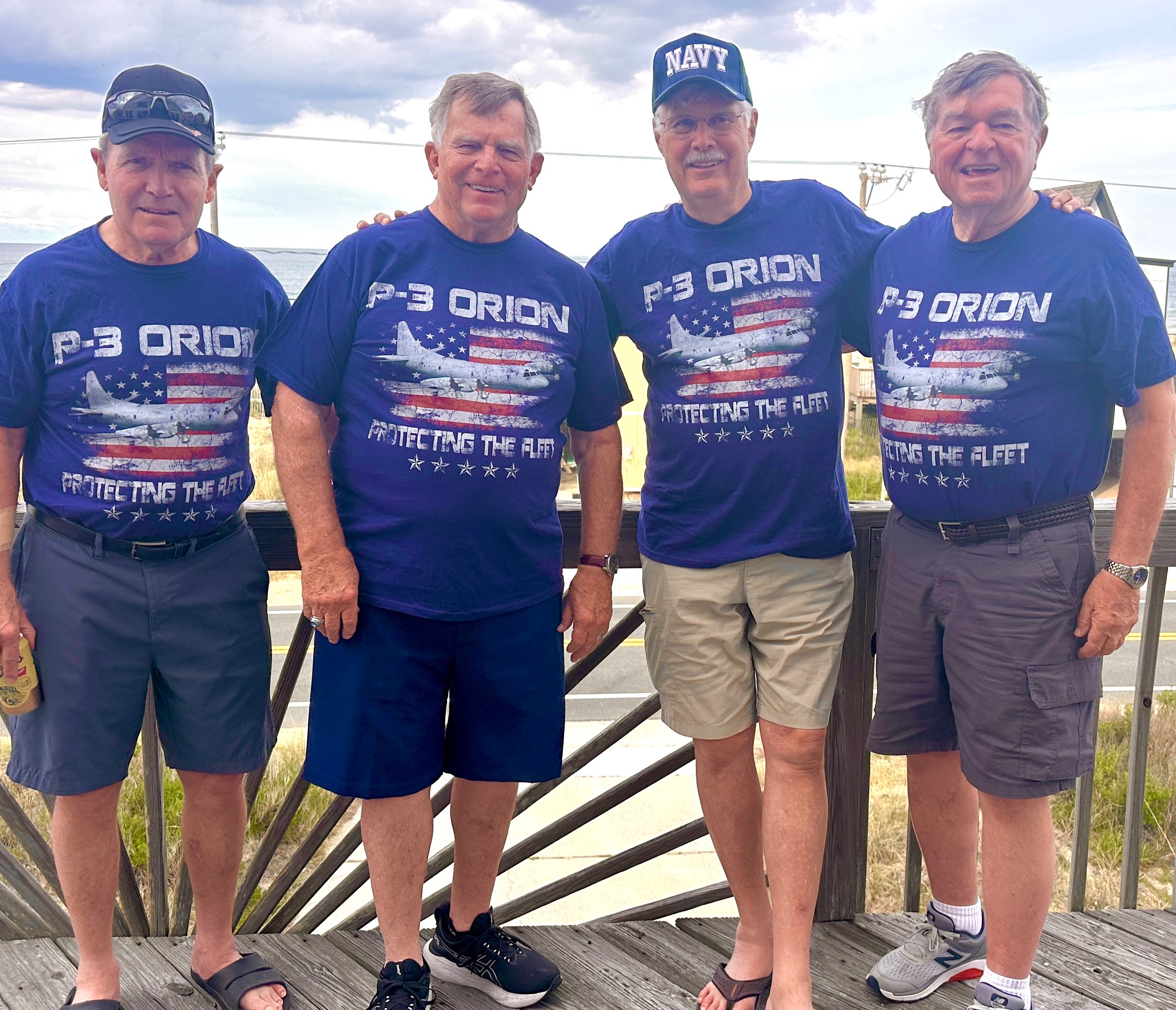
VP Squadrons • U.S. Navy • 2024

USS Lawrence DDG-4 • U.S. Navy • 1972
