
Opening branch overview
Building the branch home surface
Loading branch highlights, featured unit context, and gallery moments.
Overview
Members
Units
Building the branch home surface
Loading branch highlights, featured unit context, and gallery moments.
Building the branch units surface
Loading unit filters, rankings, and the branch unit grid.

3 members•1 unit
Relive and share the memories of your service-time with your brothers and sisters in arms today. VetFriends.com can help you reconnect.
Did you proudly serve in the USS Seminole (AT-65)?
Are you looking for someone who is or was in the USS Seminole (AT-65)?
Do you have USS Seminole (AT-65) photos you'd like to share?
Then join a community with your brothers and sisters of the USS Seminole (AT-65).
Branch
U.S. Navy
Members
3
USS Seminole (AT-65) was a fleet tug commissioned by the United States Navy in 1940. Assigned to the Pacific Fleet during World War II, Seminole provided critical towing and salvage services, supporting naval operations across the Pacific theater. On October 25, 1942, while delivering supplies to Guadalcanal, Seminole was attacked and sunk by Japanese destroyers off Lunga Point. The loss of USS Seminole underscored the dangers faced by support vessels during frontline operations in the Solomon Islands campaign.

U.S. Navy
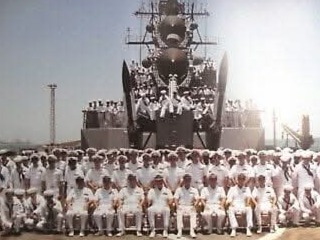
Dahlgrenddg43 • U.S. Navy • 1990
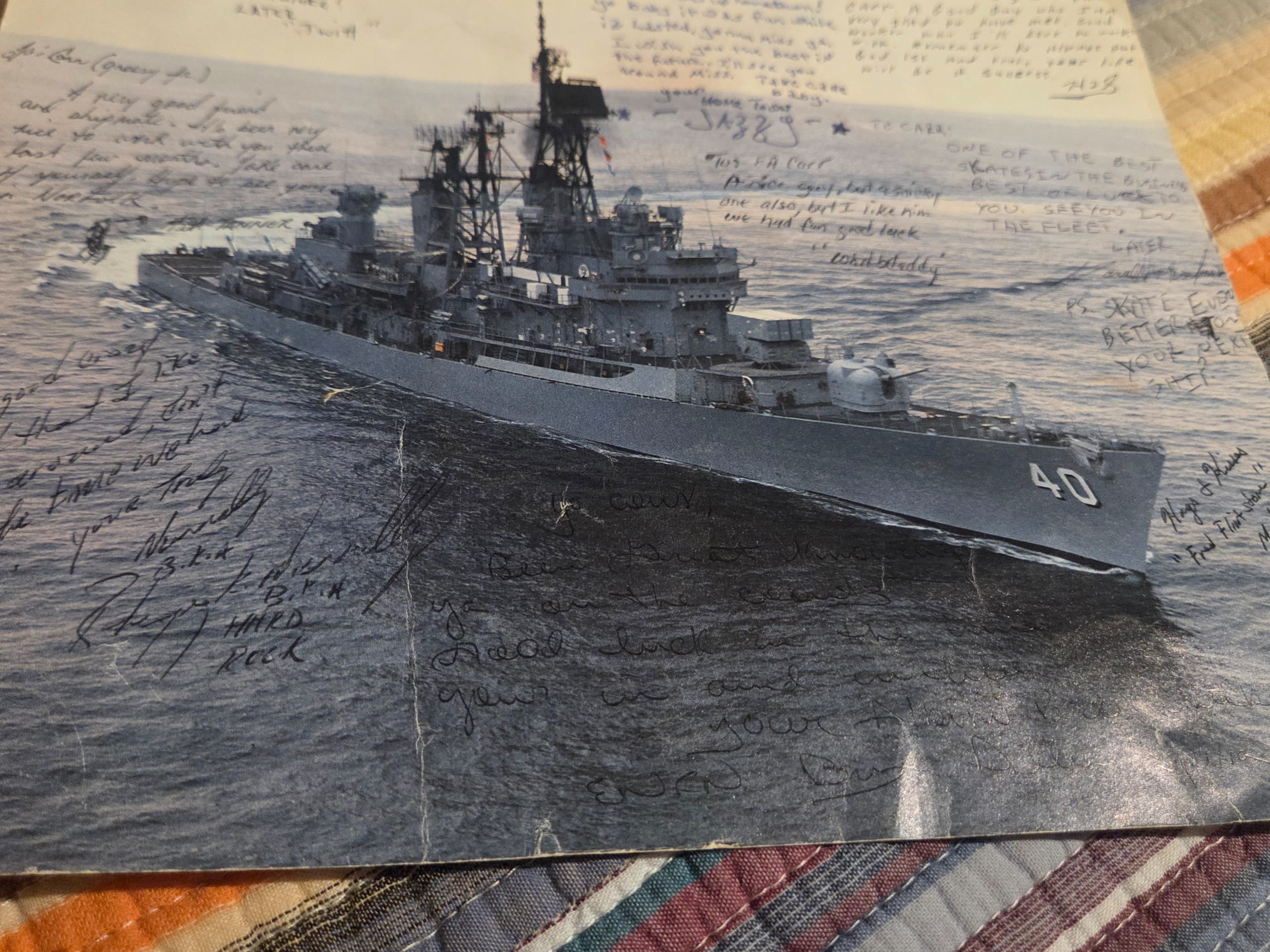
Coontz ddg 40 • U.S. Navy • 1989
Coontz ddg 40 • U.S. Navy • 1988